Why a Last-Minute Floss Cannot Reset Gum Health
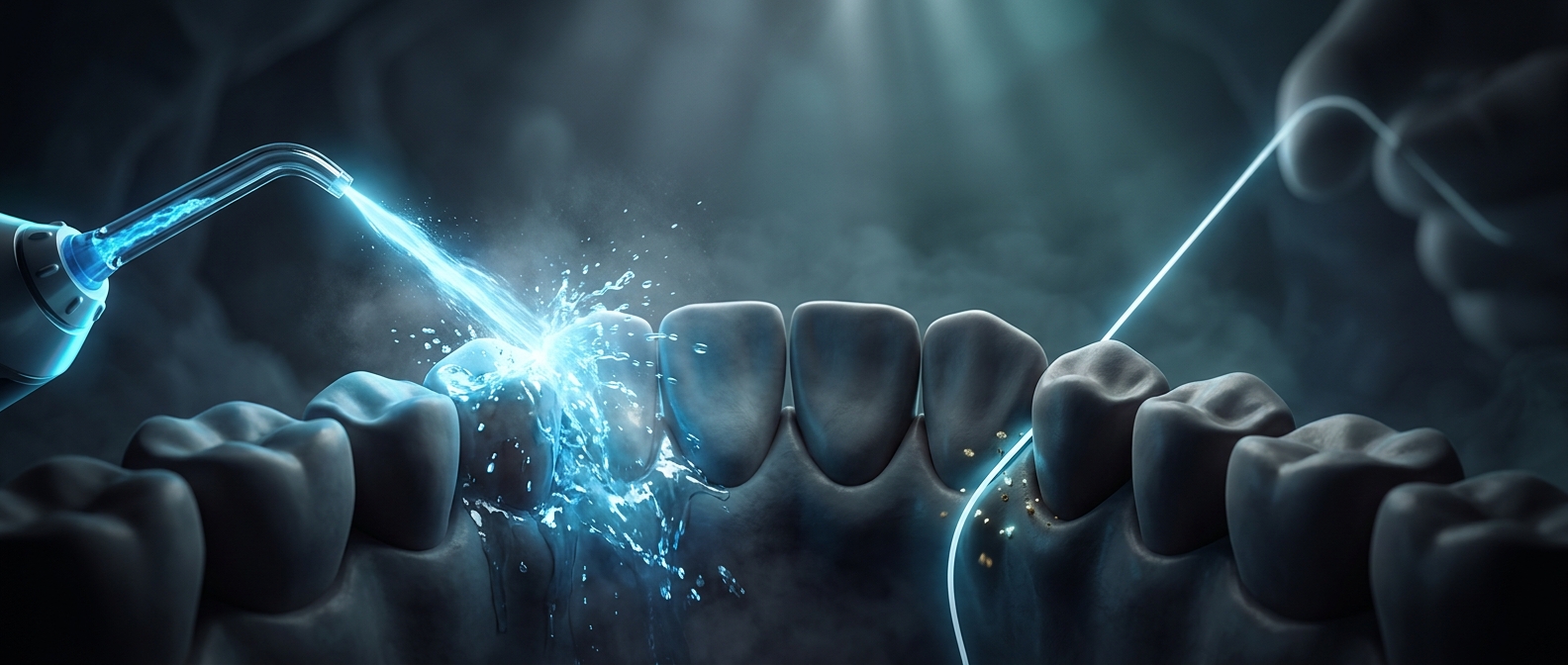
Plaque is a soft, sticky community of bacteria that continually forms on teeth, especially where the tooth meets the gum and between neighboring teeth. Floss can disrupt this film in the narrow spaces a toothbrush often misses. But cleaning removes material; it does not instantly reverse the tissue’s response to what was there before.
When plaque remains, bacteria and their byproducts can irritate the gums. The body responds with inflammation: gum tissue may become swollen, tender, or more likely to bleed when touched. Even after a thorough flossing session removes some of the soft film, that irritation may take time to settle. A hygienist may notice it during an exam or cleaning.
Why Some Deposits Need Professional Tools
Plaque left on teeth can absorb minerals from saliva and harden into tartar, also called calculus. Unlike soft plaque, tartar is firmly attached and cannot be reliably removed with ordinary brushing or flossing. A dental professional uses specialized instruments to break it away without asking the patient to scrape at the tooth or gum with household tools.
Where deposits collect varies. The tight contact between teeth can hide plaque from a toothbrush, while the gumline is another common trouble spot. Flossing before an appointment may clear loose material from these areas, but it cannot reach every surface or remove hardened deposits.
What the Cleaning Can—and Cannot—Show
A dental visit is not a test of whether someone managed to floss that morning. The hygienist evaluates the mouth as it is, including deposits and the condition of the gums, then removes buildup and can point out areas that need more attention at home. A single rushed session can make teeth feel cleaner, but lasting gum health depends on regularly disrupting plaque before it has time to harden or keep irritating the tissue.