Reading Time in a Moving Shadow
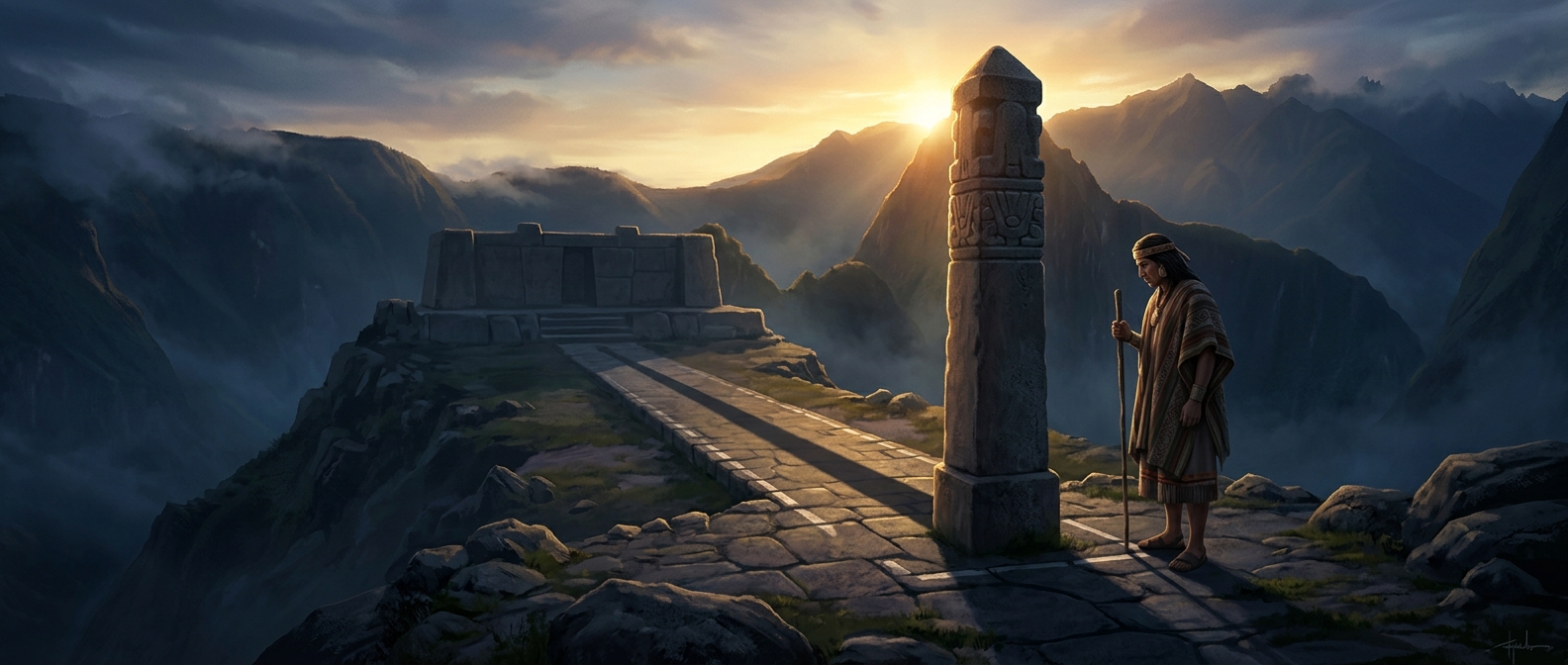
A shadow is a clock whose hands are made of sunlight. As the Sun appears to move across the sky, a fixed pillar’s shadow changes direction and length. Watching where it falls against the ground or nearby markers gives observers a way to compare one part of the day—or one season—with another.
The key was not simply that the shadow moved, but that it moved in a pattern. The Sun follows a different path across the sky through the year: its height at midday and the direction of sunrise and sunset shift with the seasons. Repeated observations could therefore help mark recurring points in the solar calendar, including seasonal turning points important to farming and public ceremonies.
A Clock Built into the Landscape
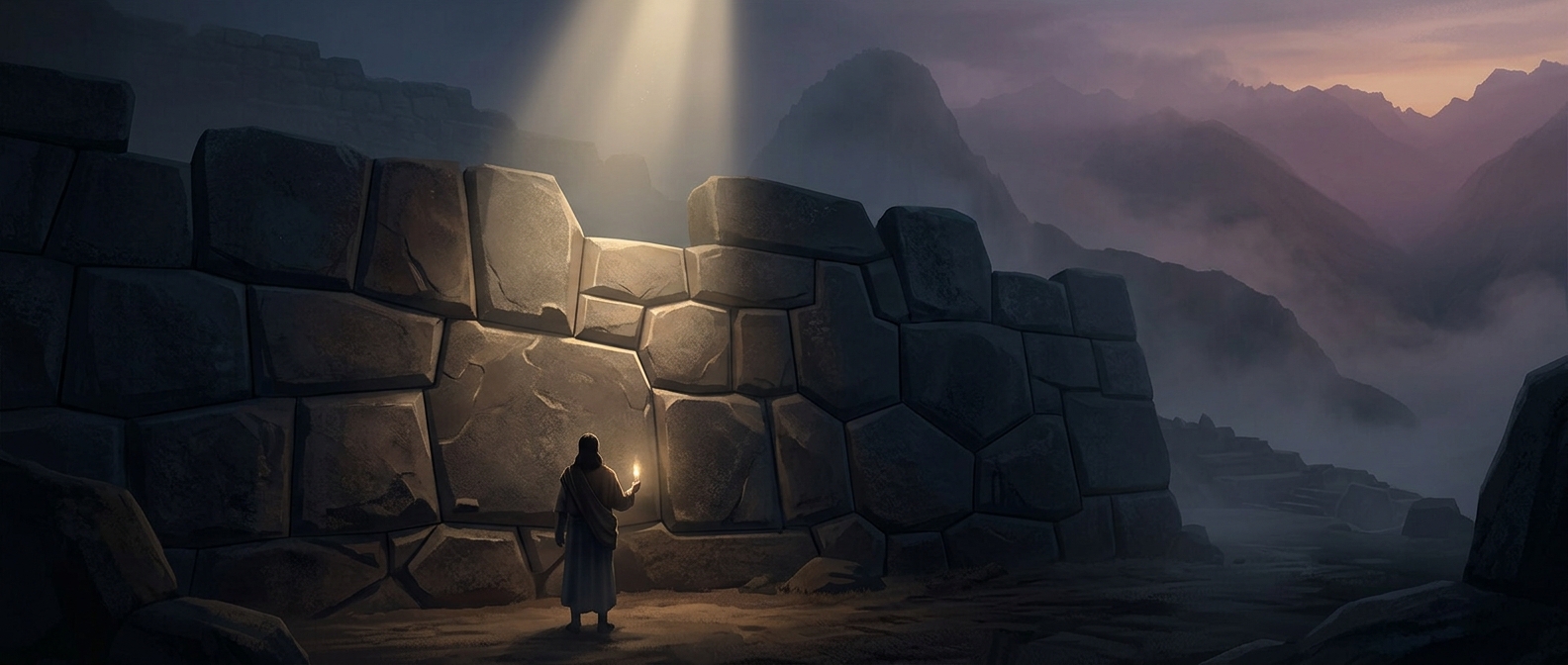
Unlike a portable instrument, a pillar depended on its setting. Its position, the surrounding ground, and the horizon shaped how its shadow could be read. Clear skies and repeated observation mattered too; a single shadow showed where the Sun was then, while a calendar emerged from noticing how that position changed over time.
This kind of timekeeping made the landscape part of the instrument. A stone marker did not need gears or written numerals: the predictable relationship between sunlight, stone, and ground supplied the signal. The practical consequence was striking—the same place could help people orient daily activity while also connecting the passing day to the longer rhythm of the agricultural year.