Why a boiled potato can feel satisfying
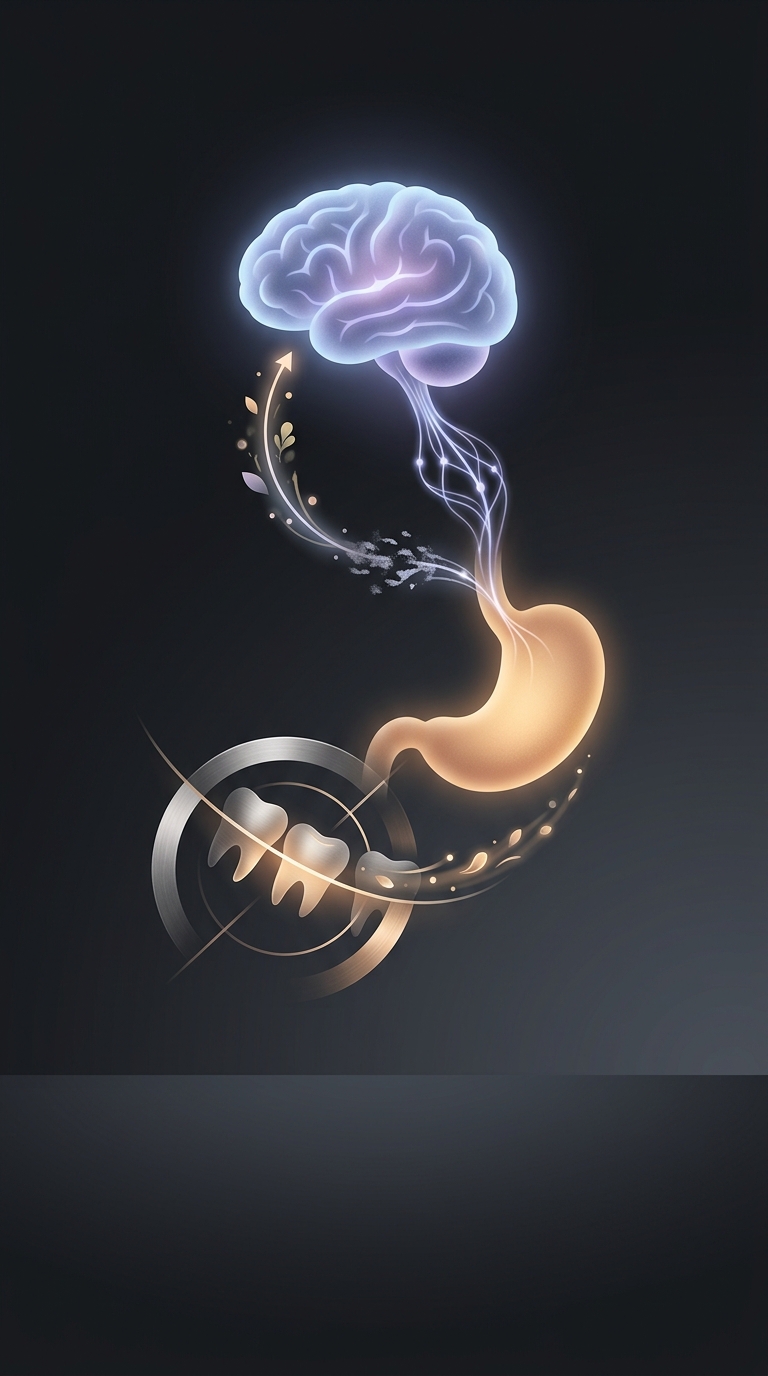
A potato’s fullness is not just a matter of how much space it occupies. As you eat it, chewing takes time, and the food’s bulk stretches the stomach. Signals from the digestive tract then help the brain register that a meal is underway. A solid, starchy food can also take longer to eat than a drink or a soft, highly processed snack, giving those signals time to build.
The potato’s starch supplies energy, while its intact structure and, when the skin is eaten, some fiber make it more than a quick burst of sweetness. These features can help explain why a plain boiled potato may satisfy hunger well for its energy content. The effect varies with the person, the portion, and what else is on the plate.
The preparation changes the tradeoff
Boiling keeps the potato’s structure relatively intact without soaking it in cooking fat. Frying adds oil, which increases the energy in each bite; toppings such as butter or cream can do the same. That does not make those additions inherently wrong, but it does mean the same potato can deliver a different amount of energy and a different eating experience depending on how it is prepared.
Fullness is a short-term response, not a guarantee about what someone will eat later or how their body weight will change. Still, a plain boiled potato offers a useful example of how a familiar food can feel substantial without being especially energy-dense.