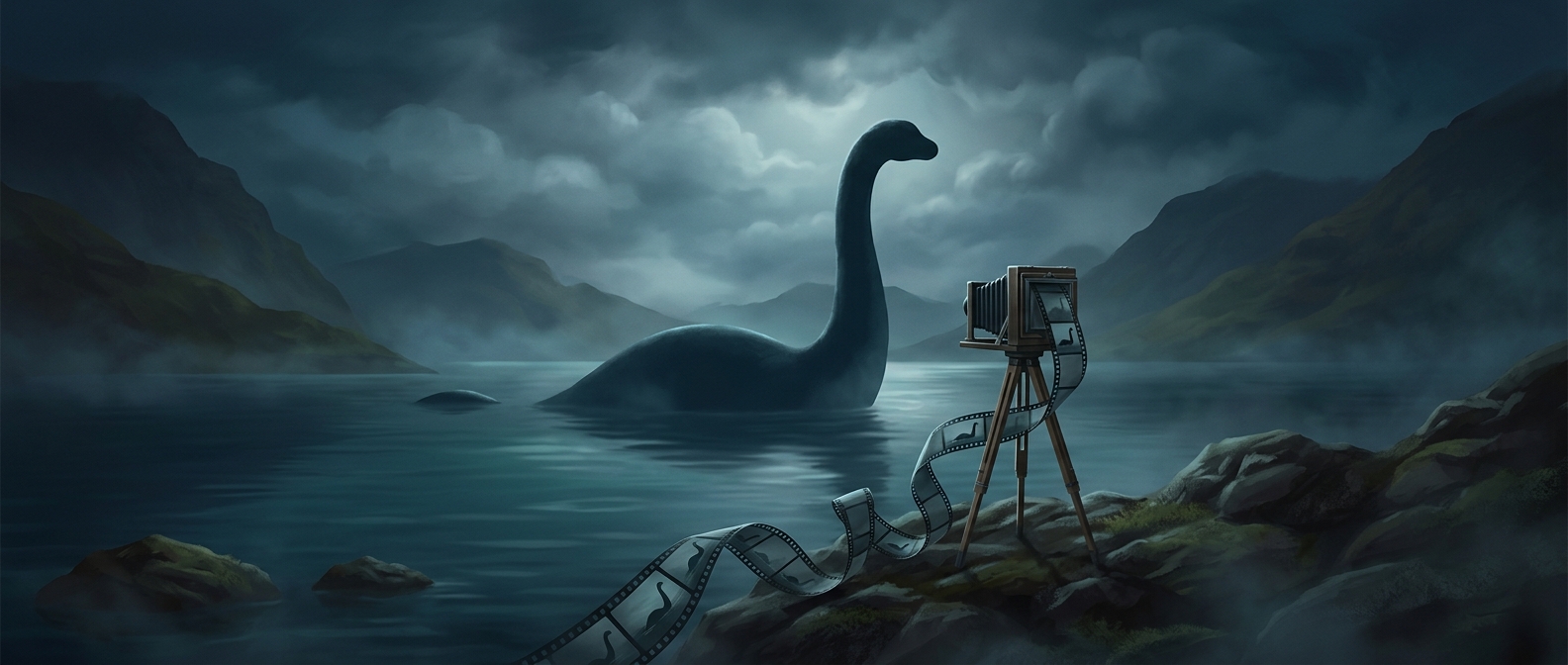
Why a blur can keep a mystery alive
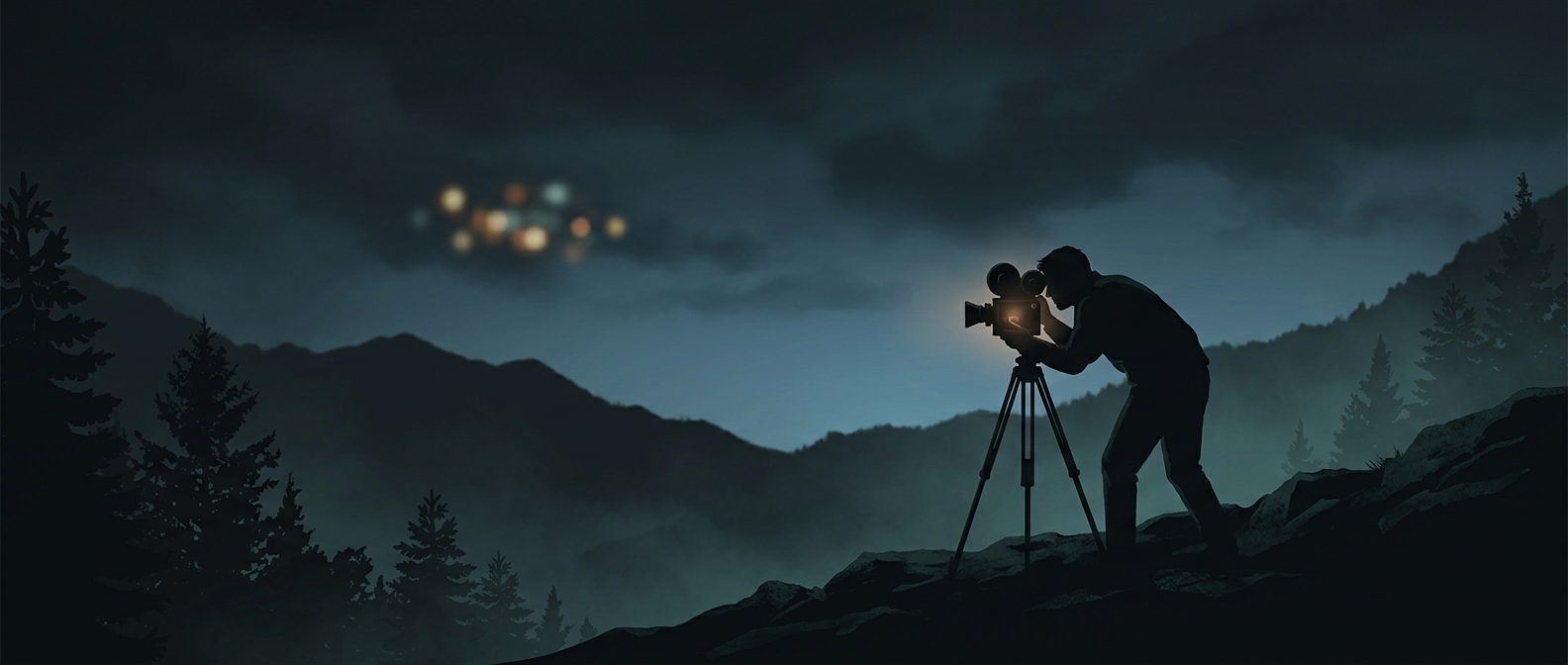
A distant light or shape recorded without clear edges leaves key questions unanswered: how large was it, how far away, and how fast was it moving? A camera records brightness and color, not an object's identity. Without familiar details or a second viewpoint, viewers have little to anchor an interpretation.
That uncertainty is not just a flaw in the image. It gives competing explanations room to survive. One viewer may see an unusual aircraft; another may see evidence of a craft from elsewhere. Because the footage cannot settle the disagreement, each interpretation can absorb the same missing details.
The camera leaves clues out
Blur can come from several ordinary limits working together. An object may be too distant for the lens to resolve its outline; movement can smear its image during exposure; and digital zoom enlarges existing pixels rather than capturing new detail. Low light can make those weaknesses more noticeable. The result may look dramatic while conveying very little about distance or shape.
Clearer footage can help, but sharpness alone does not answer every question. A crisp close-up still needs context: where the camera was, what it was pointed at, and whether another observer or instrument recorded the same event. A recording without that context can remain open to interpretation even when its pixels are sharp.
Ambiguity gives the story room to grow
Unidentified does not mean extraterrestrial; it means the available evidence has not established what was seen. Yet a clip can become a powerful prompt for speculation precisely because it offers something visible without a conclusive explanation. The unresolved gap invites viewers to supply a story—and lets the story outlast the moment of recording.
In practice, the most useful question is not simply whether a clip looks strange, but what information the camera failed to preserve: scale, motion, surroundings, or a second angle. Those missing details are often where the mystery begins.