Why Tuscany’s white roads mattered
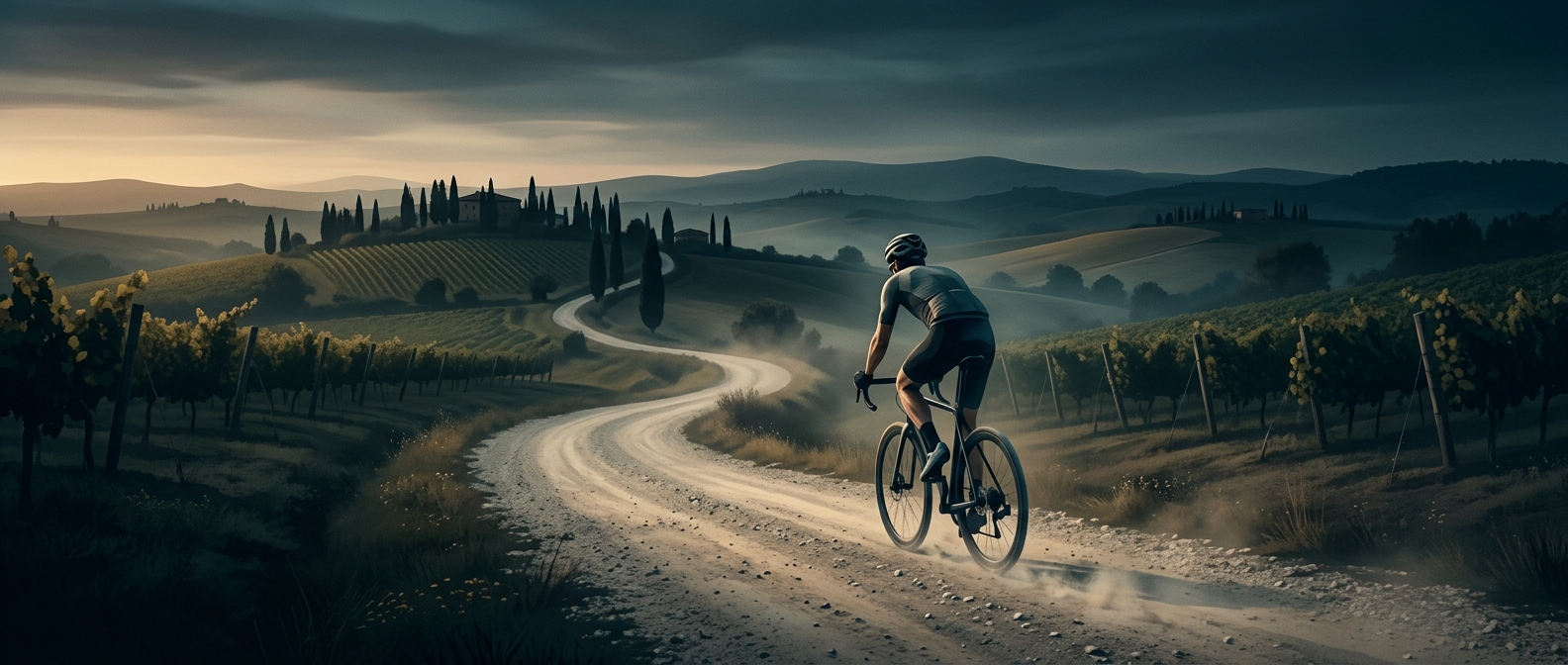
The unpaved lanes associated with the Strade Bianche are more than a scenic backdrop. Their pale gravel and packed earth give the route a different rhythm from a paved road: riders must choose lines carefully, manage loose stones and dust, and adjust their pace as the surface changes. Paving would have made the lanes smoother, but it would also have removed the feature that made them distinctive.
From local roads to a reason to visit
Local cyclists campaigned to keep these routes from being modernized. Their effort helped preserve a kind of riding that is increasingly hard to find on ordinary roads, where traffic and pavement shape most journeys. The lanes could then attract riders not only for the Strade Bianche event, but also for the experience of cycling the same gravel terrain themselves.
That change matters to a destination: a road becomes part of what visitors come to do, rather than simply a way to get somewhere. Keeping the gravel kept the character—and the challenge—that made the routes worth seeking out.