The difference between feeling tired and playing tired
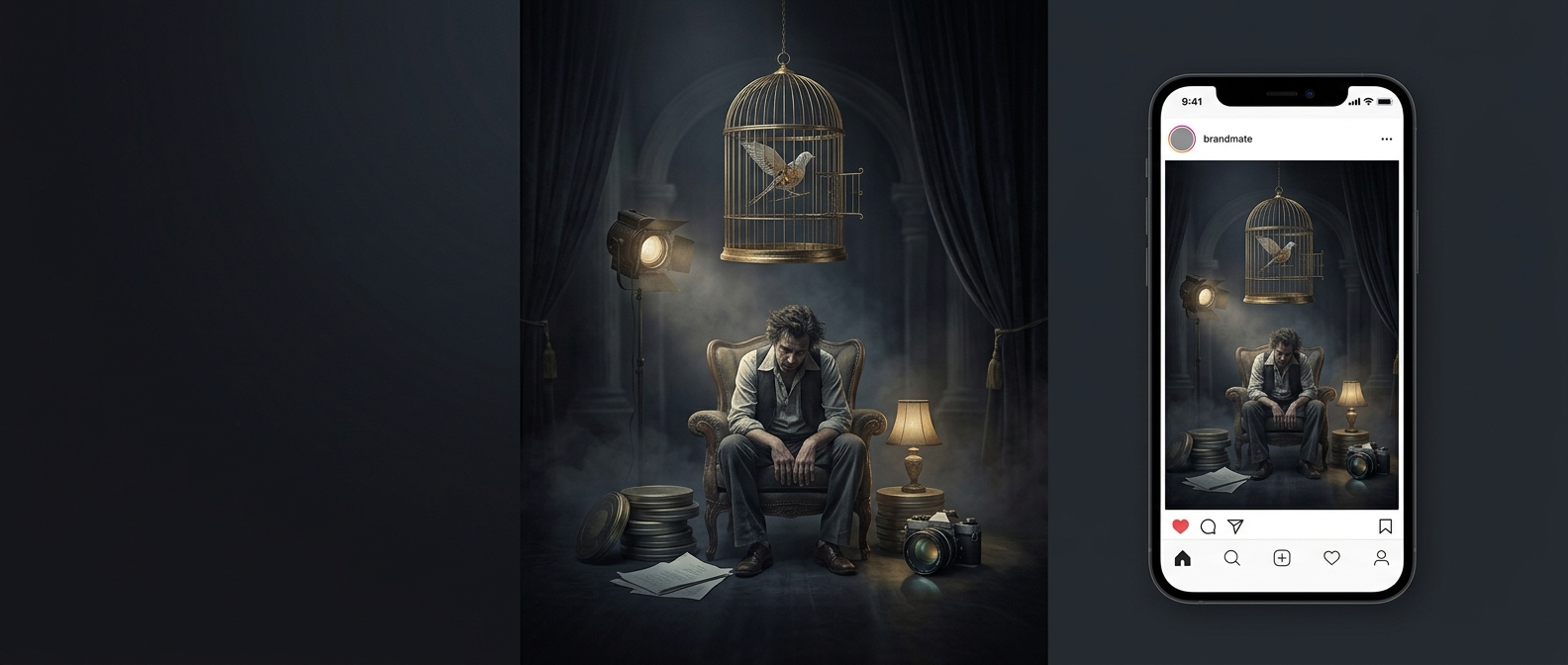
Hoffman’s preparation treated fatigue as something an actor could reproduce by making himself physically exhausted. Olivier’s quip pointed to a different possibility: a performer can create the appearance of a condition without undergoing it. A slumped posture, slower movements, a delayed response, or a strained voice can suggest weariness while the actor remains alert enough to shape the scene.
That distinction matters on a film set, where a performance has to be repeated and adjusted for the camera. Real sleep loss is not a finely controlled tool: it can dull attention and make timing less dependable. A deliberately chosen gesture, by contrast, can be made larger, smaller, or repeated from take to take.
Two ideas of preparation, not a simple feud
The story is often remembered as a clash between Hoffman’s intense preparation and Olivier’s more technical approach. But acting does not divide neatly into “become the character” and “pretend.” Physical research can help an actor understand a role; technique helps turn that understanding into choices an audience can read. The useful question is whether a preparation serves the scene—and whether its costs are necessary.
Olivier’s joke lands because it compresses that question into a practical reminder: the audience needs a convincing performance, not proof that the actor suffered for it. A convincing weary character can be built from observed details, while the actor preserves the concentration required to deliver them consistently.