Honey at the Threshold: A Plea for Peace
In Greek folk belief, nymphs were more than beautiful figures from ancient stories: they were spirits associated with particular parts of the natural world, such as springs, trees, and mountains. In some local traditions, people imagined these beings as close enough to affect ordinary life. A household or field could therefore feel exposed to unseen neighbors whose favor mattered.
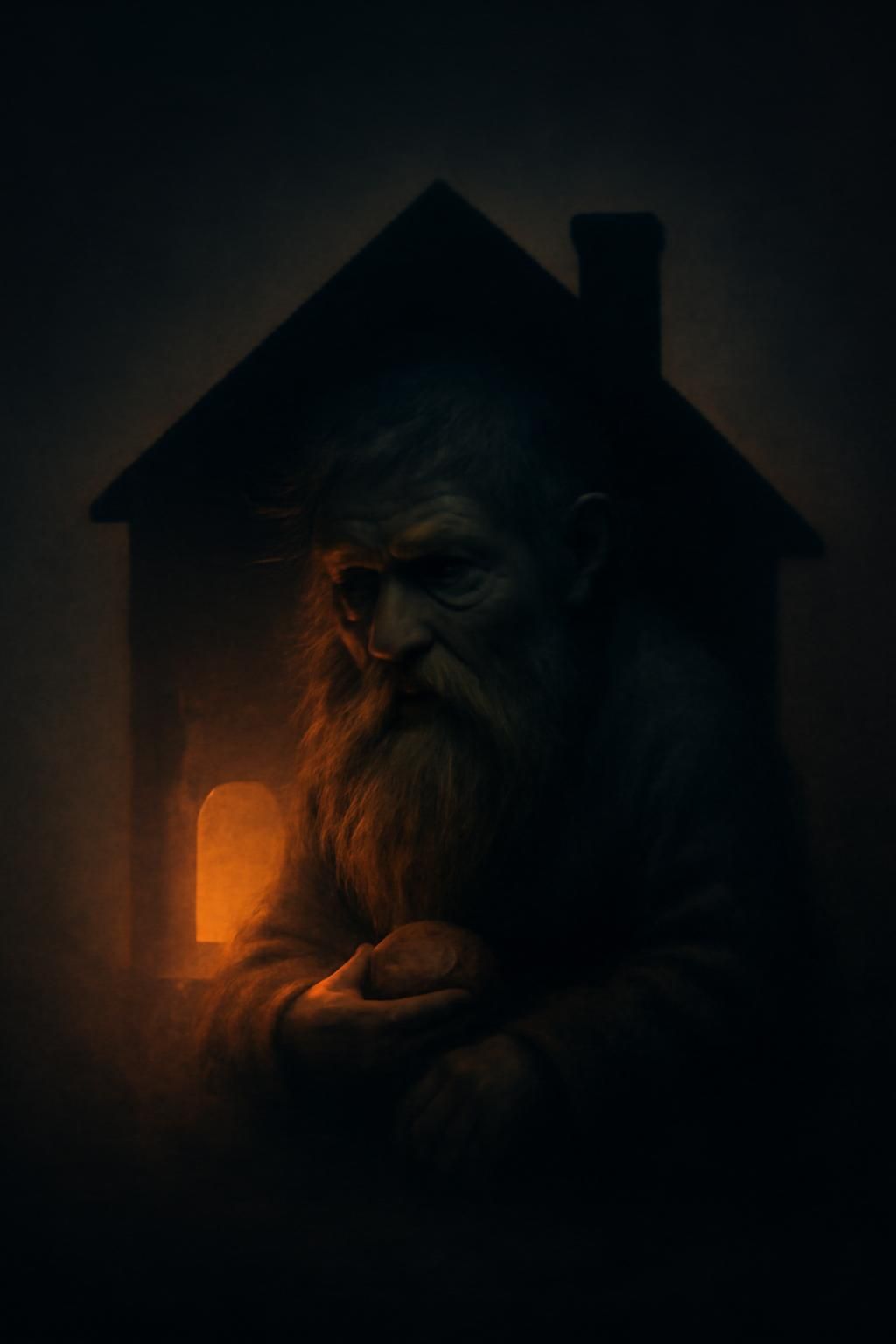
Leaving honey at the doorstep turned that concern into a small, practical gesture. Honey’s sweetness made it a fitting peace offering: a way to ask for goodwill before trouble began. The doorway mattered, too. It was the boundary between the protected home and the outside world, a natural place to leave a gift for a visitor who was not supposed to enter.
A Small Offering, a Larger Relationship
The practice reflects a view of the landscape as inhabited and socially meaningful. People did not have to see a nymph to treat the possibility of one as part of daily life. An offering acknowledged that humans shared their surroundings with powers they could not control—and that respect might help prevent mischief in homes or fields.
The honey was not simply food left out overnight. It made caution tangible: a little sweetness placed at the threshold in hopes that the unseen would remain kindly disposed.