Songkran’s water has a meaning beyond the splash
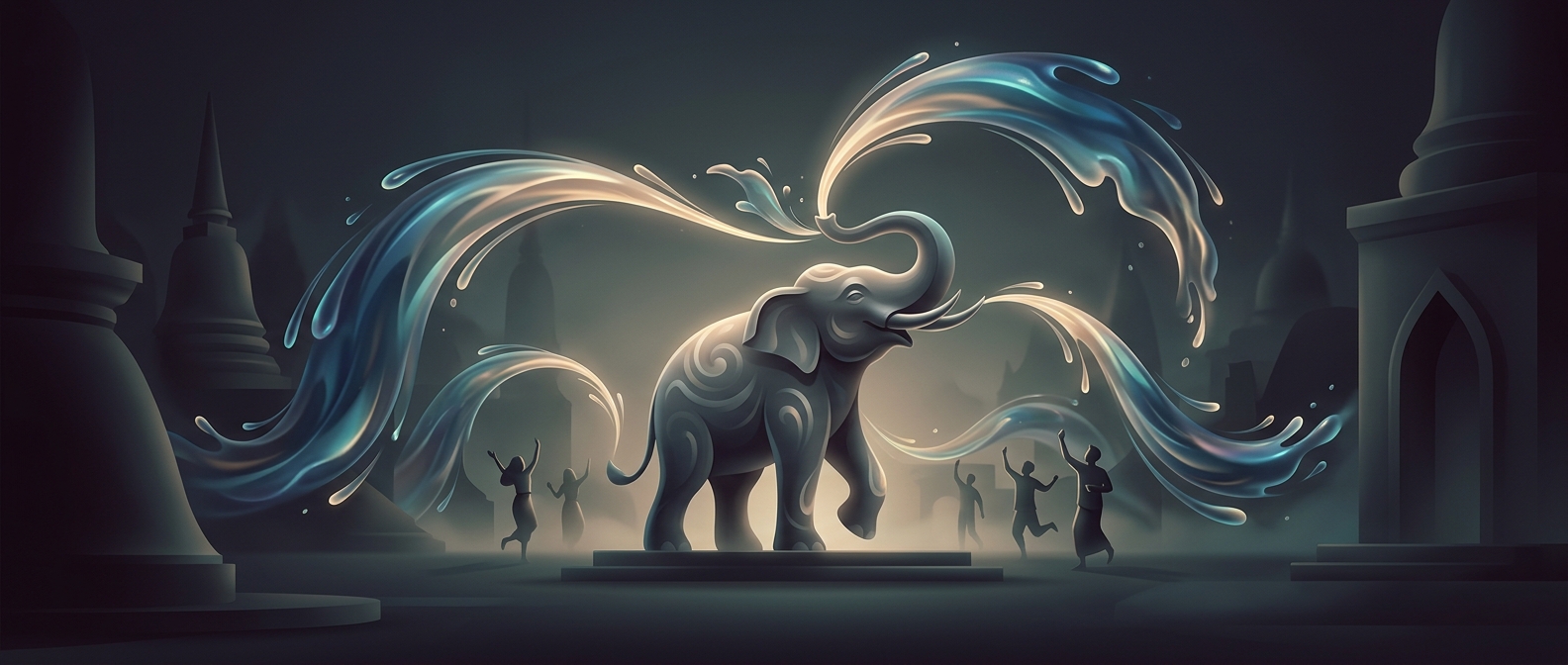
Thailand’s best-known water celebrations take place during Songkran, the traditional Thai New Year in mid-April. Water is associated with washing away the old year and welcoming renewal. In more formal family and temple observances, people may gently pour water over Buddha images or elders’ hands as a gesture of respect and good wishes.
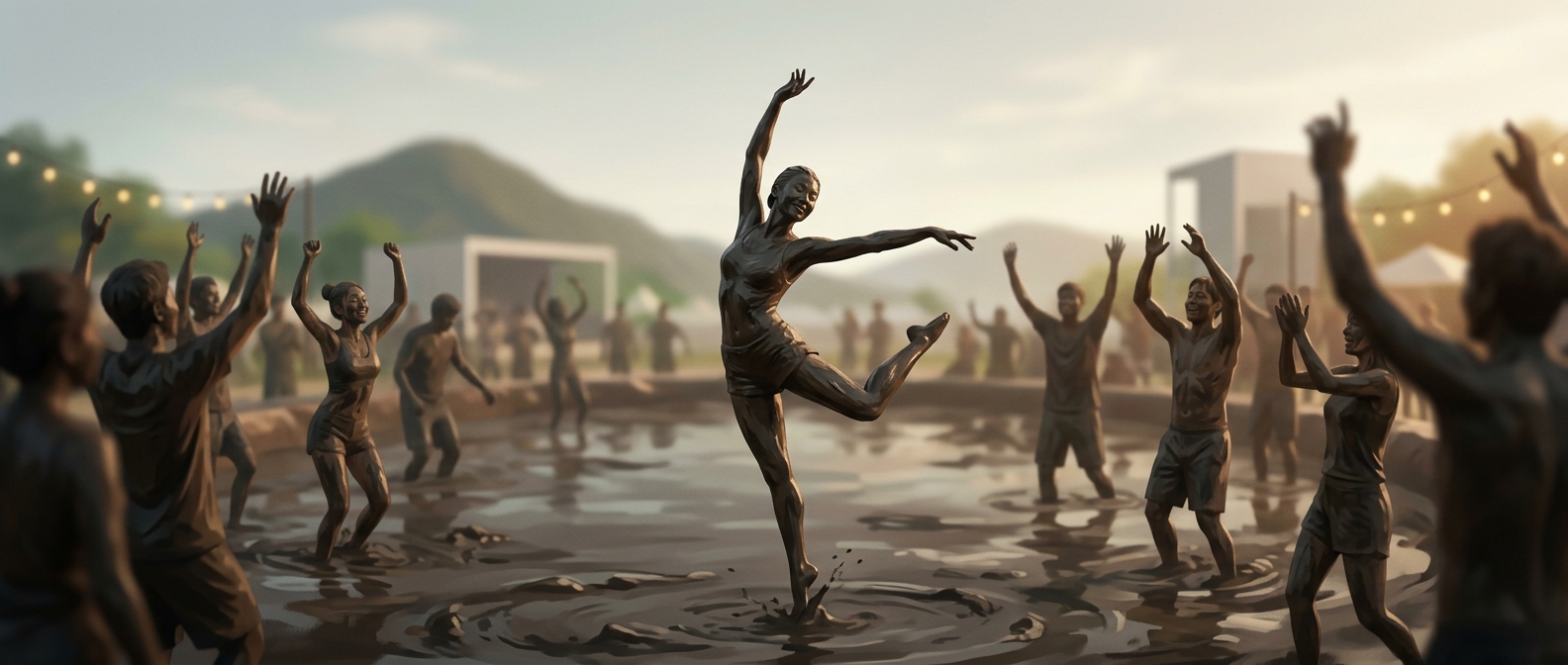
The street battles are a louder, more playful expression of the same seasonal celebration. What begins with a bowl or a splash can spread along a block as people join in, turning ordinary roads into places to celebrate together. The scale and style vary by location; not every Songkran gathering is a citywide water fight.
A festival changes how the street works
During busy celebrations, water play can affect more than people on foot. A route that is usually a way to get somewhere may become a place to stop, watch, and join in, while wet pavement and soaked clothing make moving through crowds less straightforward. Visitors often protect phones and other valuables in waterproof bags and plan for their belongings—and themselves—to get wet.
That transformation is part of what makes Songkran memorable: the celebration is not confined to a stage or a parade. For a few days, familiar public spaces can become shared play areas, with the traditional wish for renewal carried through a very modern, very wet form of fun.