How Buenos Aires took the tram underground
Line A was built to solve a problem created by the city’s growth: crowded streets made surface travel slow, but Buenos Aires already had an extensive tramway system. The subway carried that familiar form of urban transit beneath the busiest routes, linking the city center with neighborhoods farther west. For passengers, the change was simple but consequential: the journey no longer had to compete with traffic at street level.
The line’s first stretch ran between Plaza de Mayo, beside the central government district, and the Once area, a major transport and commercial hub. Its stations brought underground service directly into the daily geography of the city—close to offices, shops, and connections with surface transport. That made the subway useful not just as a faster vehicle, but as a new way to move between important parts of Buenos Aires.
A working railway, not a preserved relic
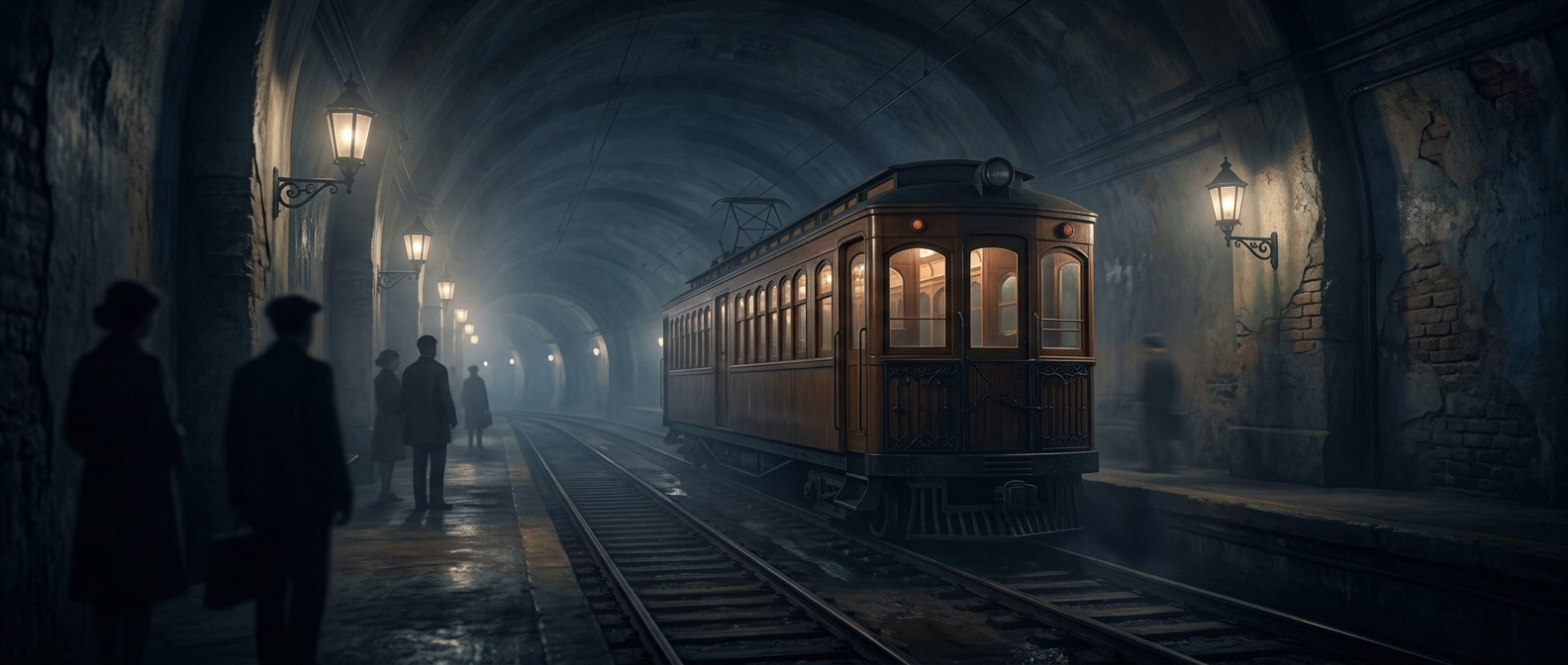
The system did not remain frozen in its opening-era form. New trains, station changes, and extensions gradually adapted Line A to a larger and busier network. Its original wooden cars, often remembered as La Brugeoise cars, remained in passenger service for nearly a century before being withdrawn in 2013. Their longevity reflected a durable design, but also a practical challenge: old equipment eventually has to give way to trains that can meet modern service demands.
The result is a line that carries two histories at once. It still performs an ordinary job—moving commuters across the city—while its early stations and preserved historic cars make the subway’s beginnings visible. In Buenos Aires, the oldest part of the network is not merely a monument underground; it remains part of the route people use to get where they are going.