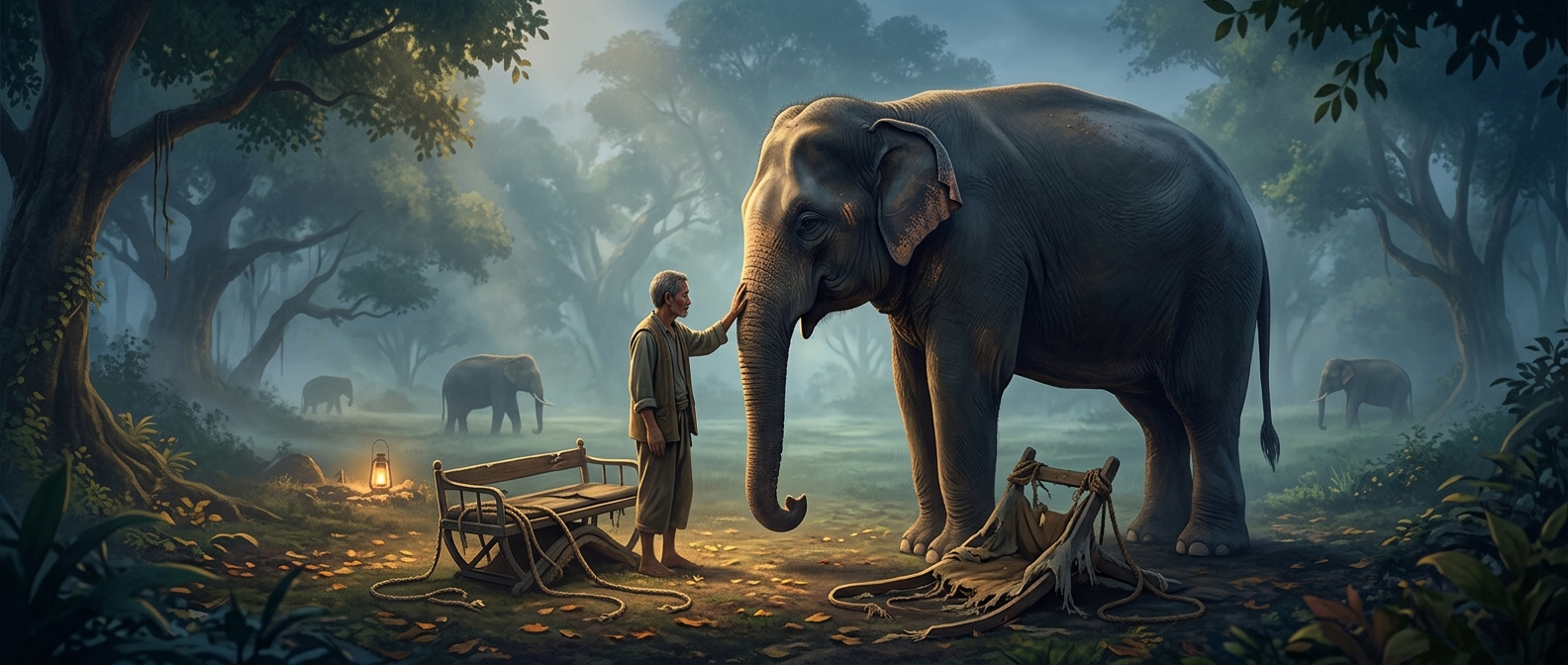
Why elephant tourism changed its focus
For years, riding was sold as a way to get close to elephants. But a ride is a managed performance: an animal must accept a person on its back, follow a route, and respond to handlers. That can involve repeated handling and limits on where the elephant goes and what it does. As concern about animal welfare became more visible to travelers, some operators shifted the experience from riding to watching.
What visitors see instead
Observation-based visits make the encounter less about completing an activity and more about noticing the animals’ behavior. Visitors might watch elephants walk, forage, socialize, or bathe, while guides explain how to read those actions. Keeping people at a respectful distance can also leave elephants more room to move without performing on demand.
The change reflects a different idea of what makes an animal encounter worthwhile: closeness is no longer measured by whether a visitor can climb aboard. For travelers, asking how much freedom elephants have during a visit can help distinguish an observation-focused experience from one that still centers on human control.