Why Gravelly Hill Has So Many Levels
At a conventional crossroads, two streams of traffic meet at the same height, so one must wait while the other passes. Gravelly Hill Interchange avoids much of that conflict by sending roads over or under one another. Curving ramps connect drivers to the road they need, while bridges carry other traffic across their path.
That separation is called grade separation: routes cross at different heights instead of colliding at a single junction. It lets several traffic movements happen at once, but it takes a great deal of space and creates a more complicated set of choices.
The Tradeoff Behind the Tangles
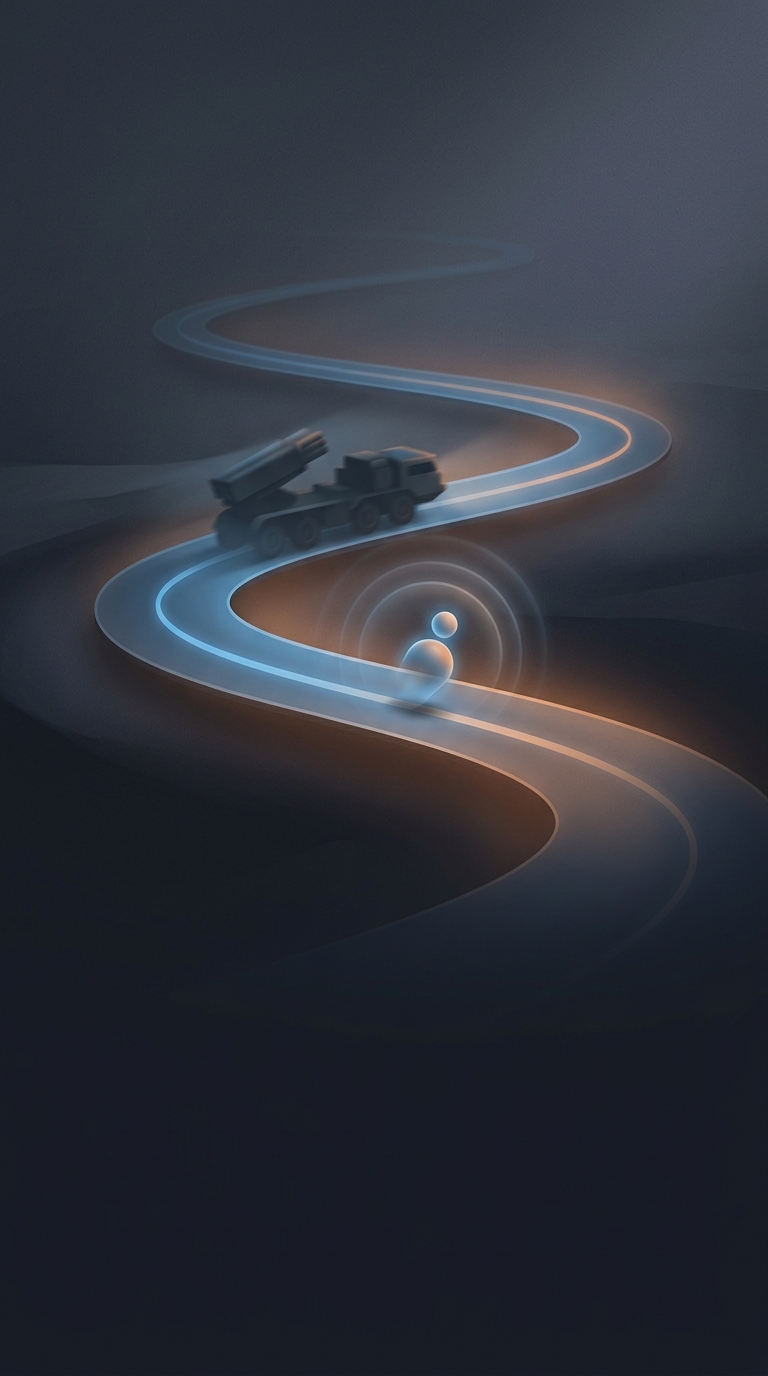
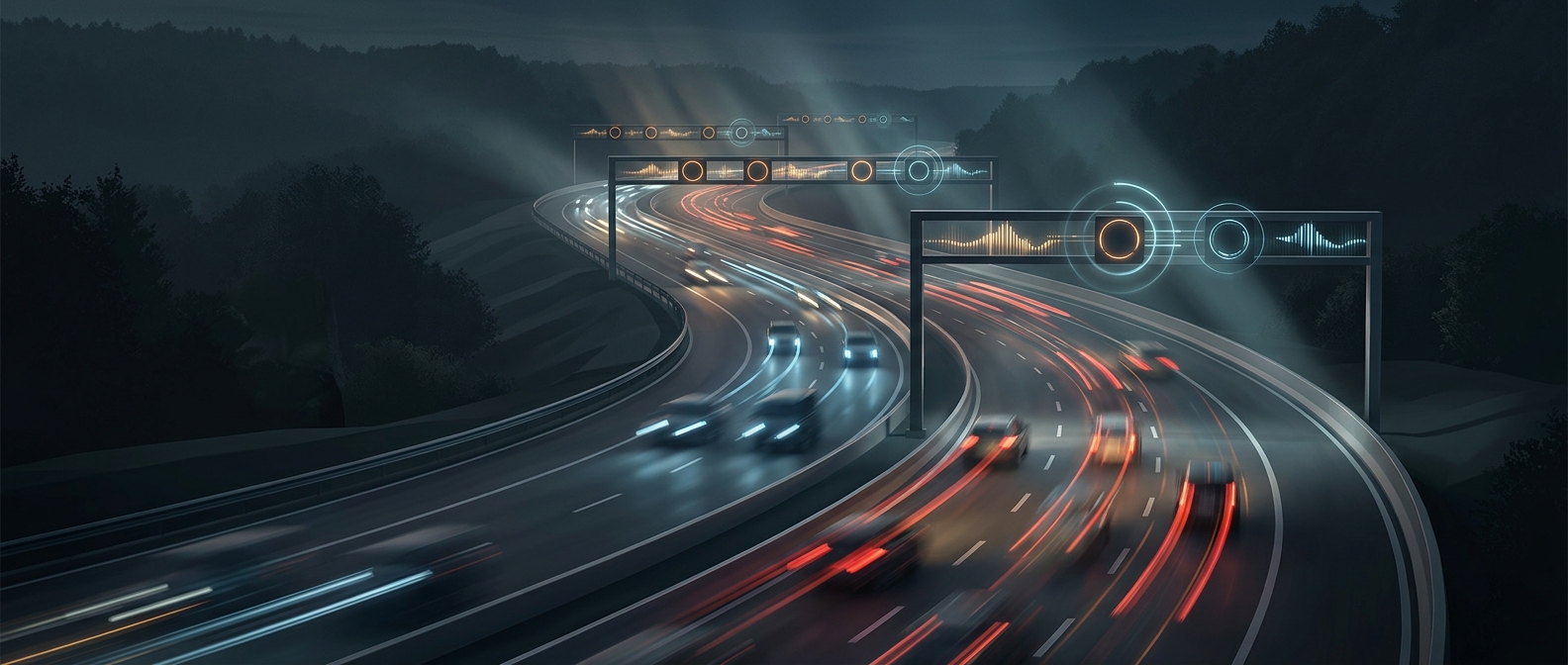
A driver changing roads follows a ramp that gradually bends away from one route and joins another. The sweeping curves help vehicles change direction without stopping at a signal, but they also mean that a driver cannot simply treat the whole interchange as one obvious turn. Signs and lane markings have to identify which branch leads where, often before the ramp itself comes into view.
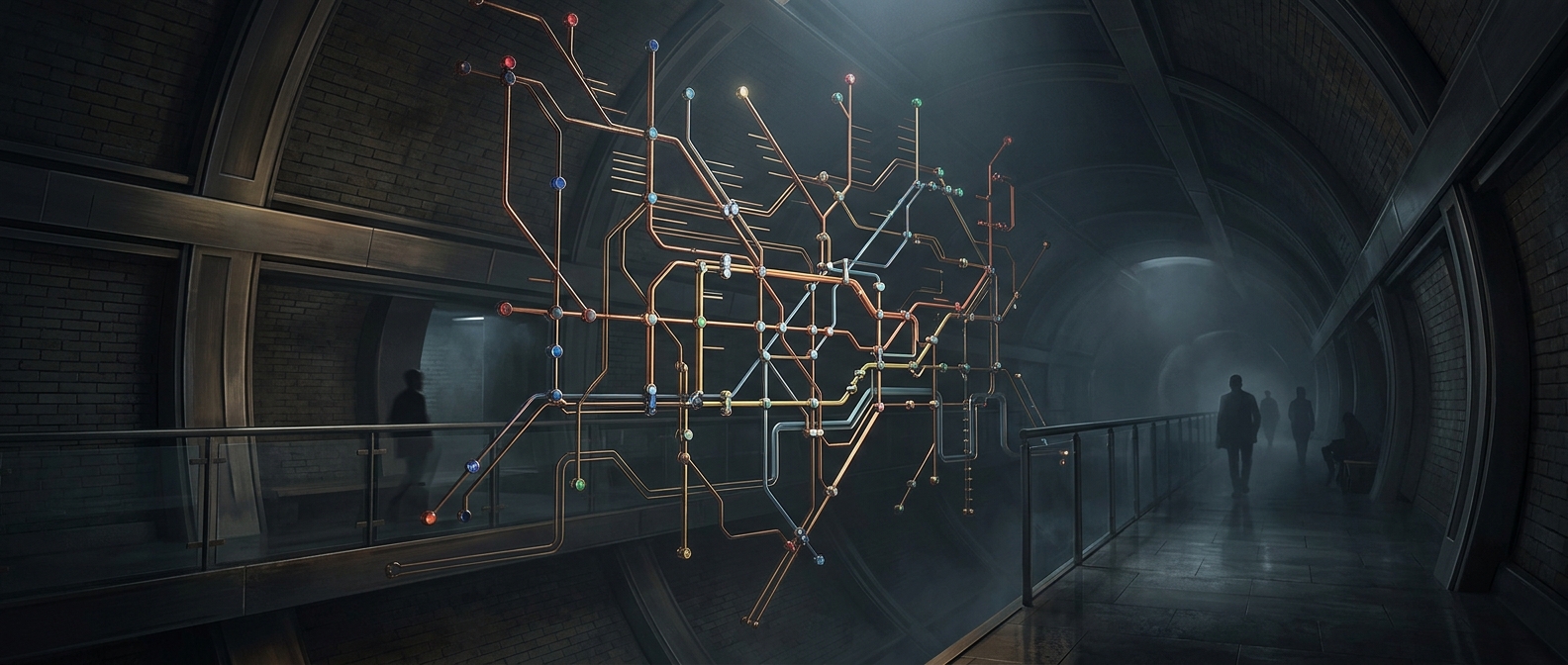
From above, the crossings and loops form the tangled pattern that earned the junction its nickname. On the ground, each strand is a separate route through a carefully layered system. The apparent jumble is the price of keeping many traffic streams moving without forcing them all through the same at-grade crossing.