How a tick bite can make meat feel like a threat
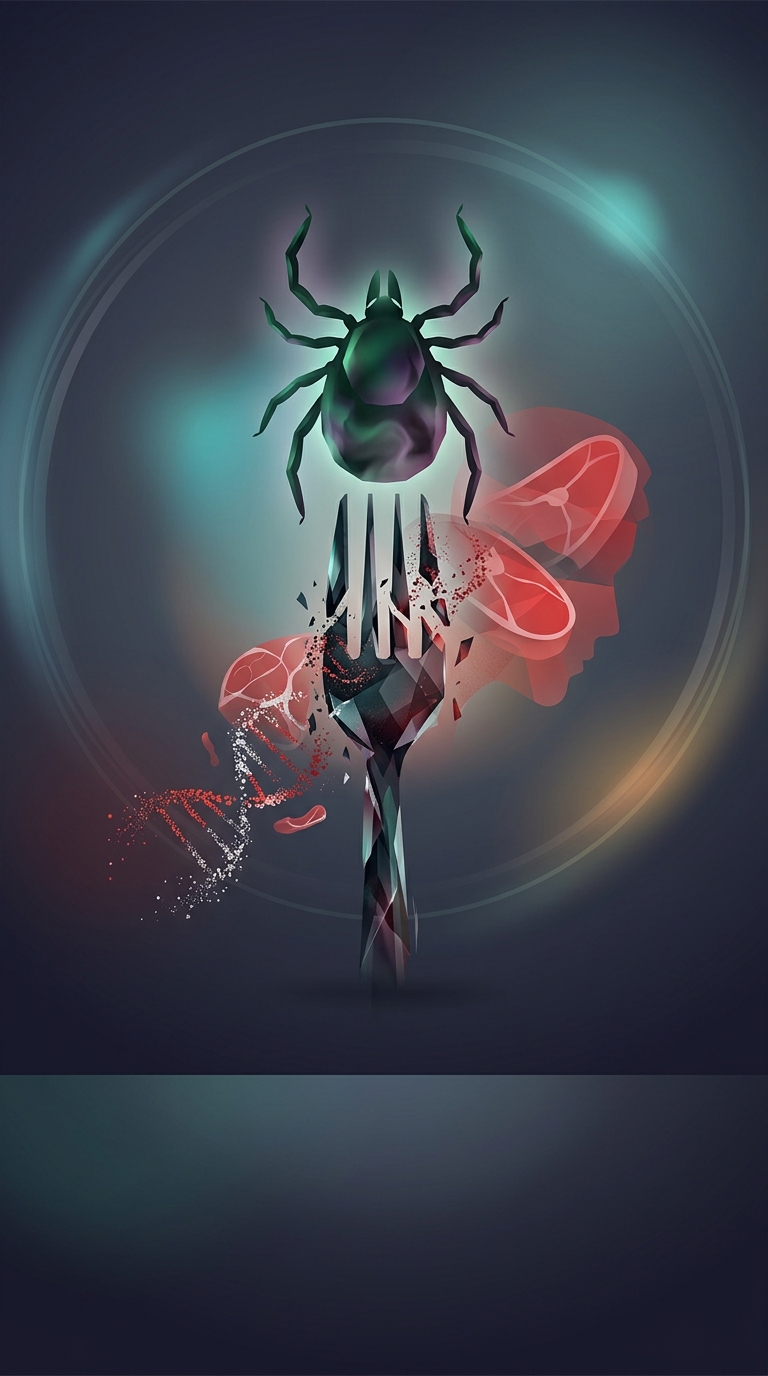
The condition is alpha-gal syndrome, an allergy that can develop after certain tick bites. The tick’s bite can prompt a person’s immune system to make antibodies against alpha-gal, a sugar found in most mammals. Later, eating beef, pork, lamb, or other mammal-derived foods can trigger an allergic reaction. A walk in the woods does not cause the syndrome by itself—and most tick bites do not lead to it.
The reaction may wait until bedtime
Unlike many food allergies, alpha-gal reactions often begin hours after a meal, commonly during the night. That delay can make the culprit hard to spot: someone may blame a late dinner, a medication, or an unrelated illness rather than meat eaten earlier. Reactions range from hives and stomach symptoms to a severe, potentially life-threatening allergic response, and their intensity can vary from one episode to another.
In the United States, the lone star tick is strongly associated with the syndrome. Avoiding additional tick bites matters because further bites may sustain or increase sensitivity.
A lasting change, not always a permanent sentence
There is no simple treatment that lets someone safely resume eating trigger foods. People diagnosed with alpha-gal syndrome generally work with a clinician to identify what sets off their reactions and avoid those exposures; some may also need an emergency plan. Mammal-derived ingredients can appear in less obvious products, so managing the condition can involve more than skipping a steak.
Sensitivity can persist for years, though it may lessen for some people over time, particularly when they avoid new tick bites. The unsettling twist is the delay: a bite that seemed minor outdoors can change what a person has to watch for at the dinner table long afterward.