Why a clot needs more than a quick plug
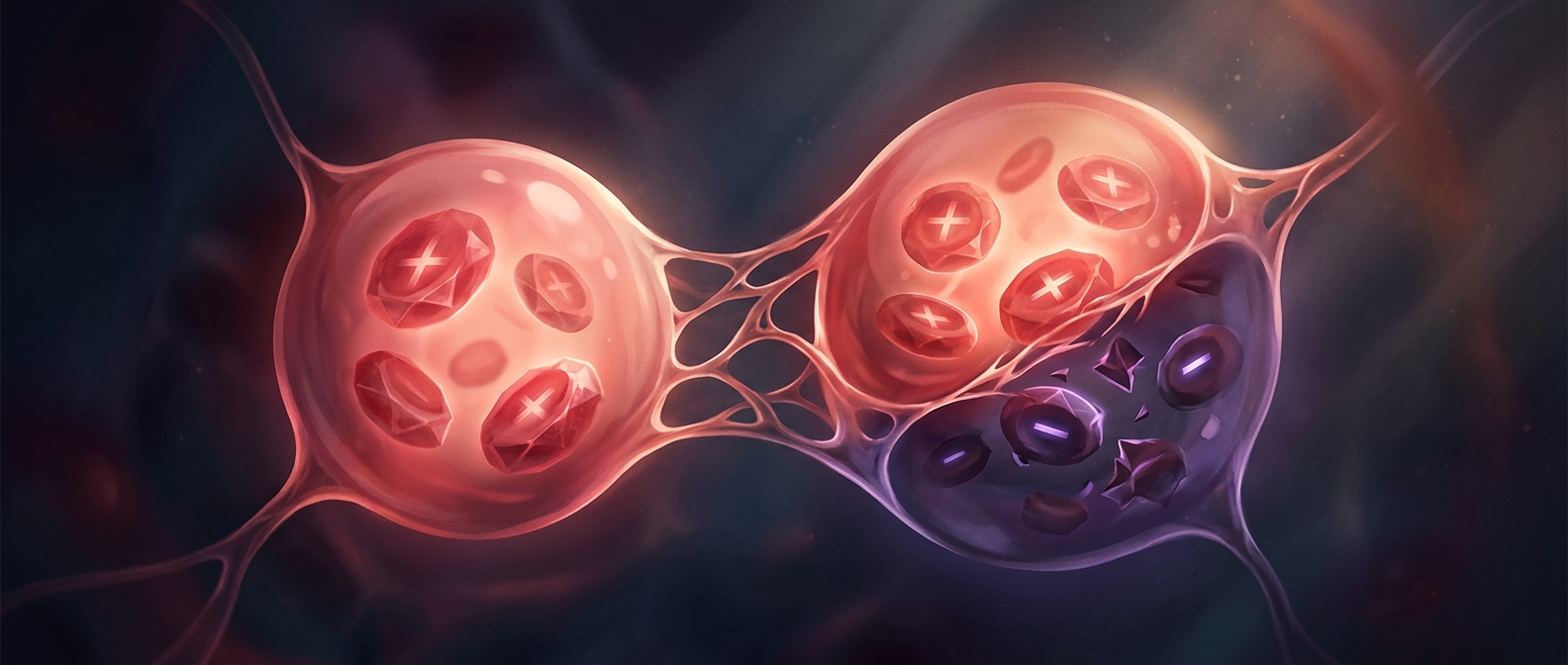
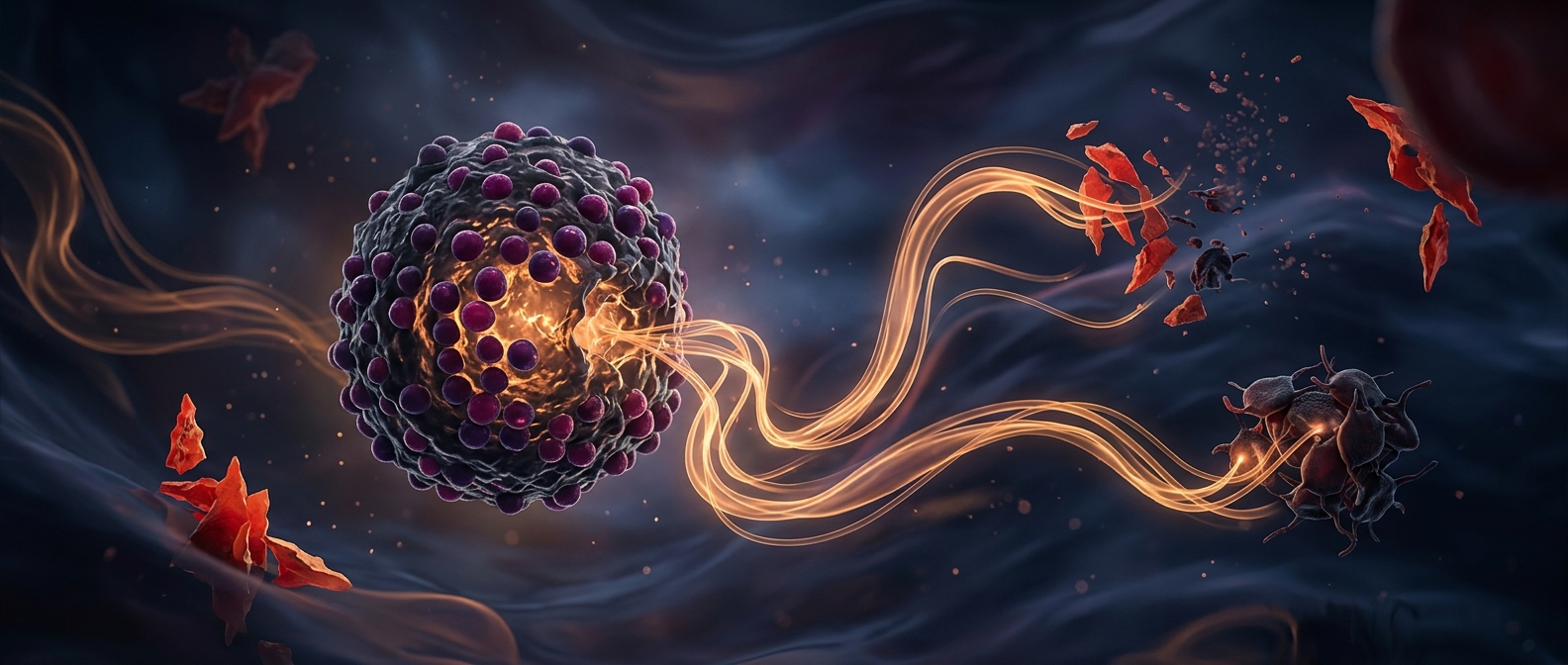
When a blood vessel is injured, platelets rush to the damaged spot and form an initial plug. That first patch is fragile. Clotting proteins then activate one another in a chain of reactions, producing fibrin—a tough mesh of fibers that strengthens the plug and helps keep it in place.
Hemophilia disrupts this reinforcement step. In the most common forms, a person has too little working clotting factor VIII or factor IX. The platelet plug may still form, but the fibrin mesh is slower to develop or less stable. Bleeding can therefore restart or continue after an injury seems to have stopped.
The hidden risk of an injury
A scrape is visible, so prolonged bleeding is easier to notice. Bleeding inside the body can be harder to judge: blood may collect in a muscle or joint without an obvious wound. Swelling, pain, warmth, or difficulty moving a joint can be signs of such bleeding, and repeated joint bleeds can damage tissue over time.
The danger depends on where the bleeding occurs and how severe the hemophilia is; a minor cut is not automatically an emergency. But an injury that seems small on the surface may still deserve attention if symptoms worsen or bleeding does not settle. The key difference is that hemophilia can make a clot difficult to reinforce, not simply make blood flow faster.