How Rain Turns an Emotion Into an Image
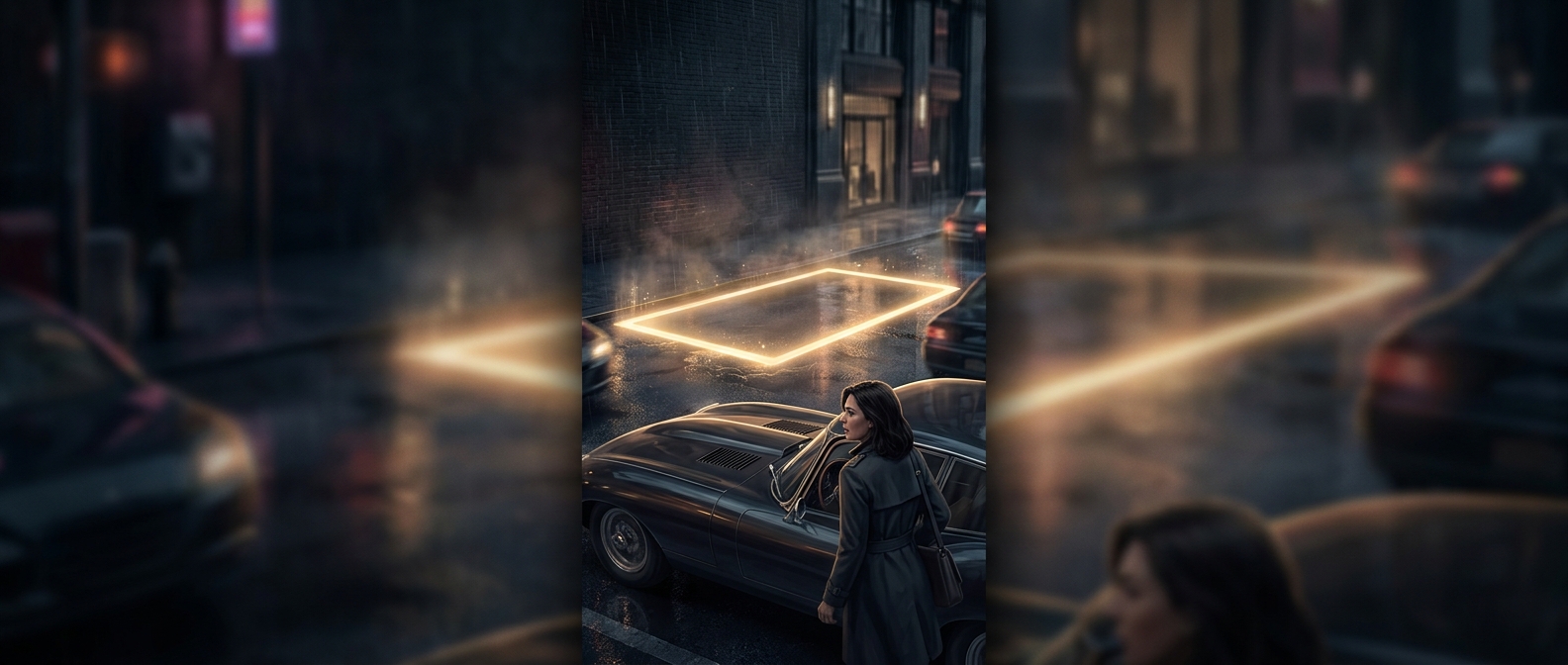
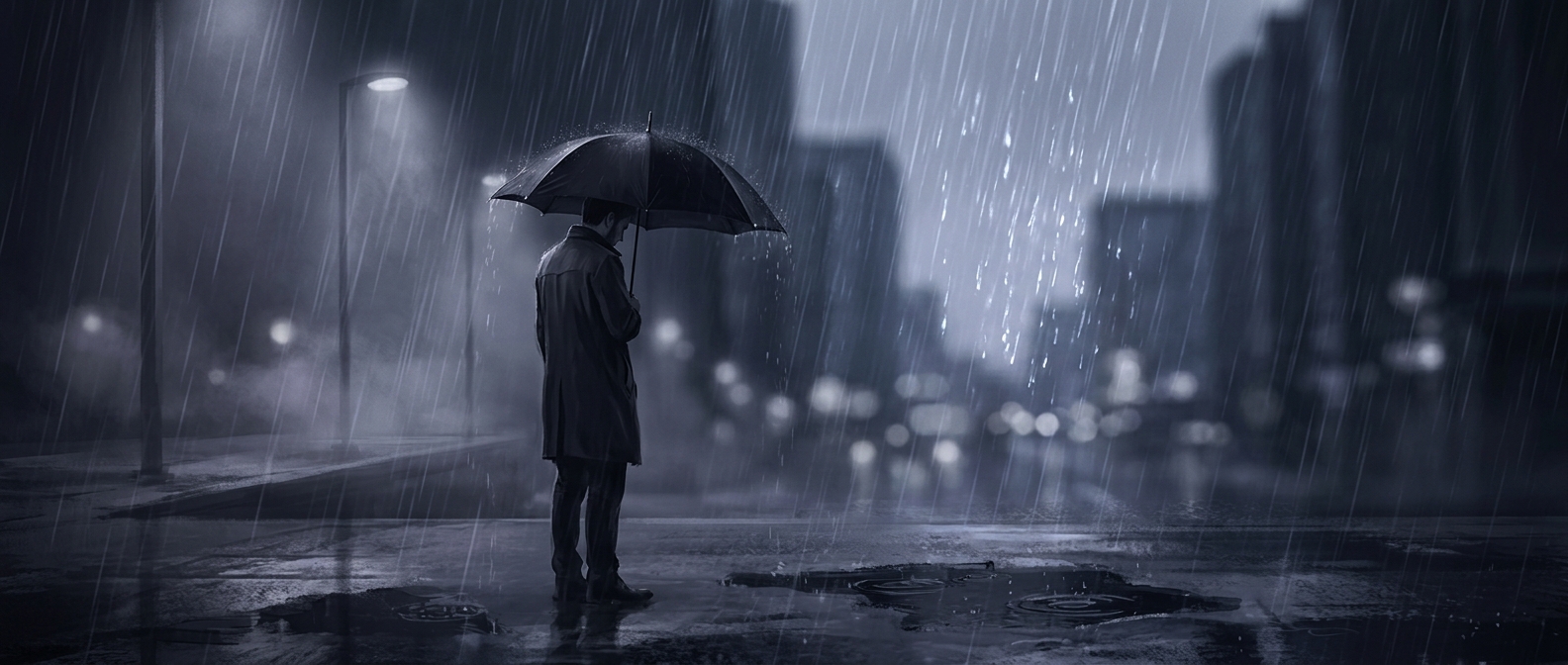
A film cannot show heartbreak directly; it has to give viewers something visible and audible to read. Rain supplies that cue. It blurs the background, darkens streets, and breaks up a character’s outline with streaks of water. The steady patter can also crowd out quieter sounds, making a scene feel isolated even when it takes place in a busy city. Viewers connect those sensory details with the character’s mood, so the weather seems to belong to the story rather than arrive by chance.
A Deliberate Contrast, Not Just a Downpour
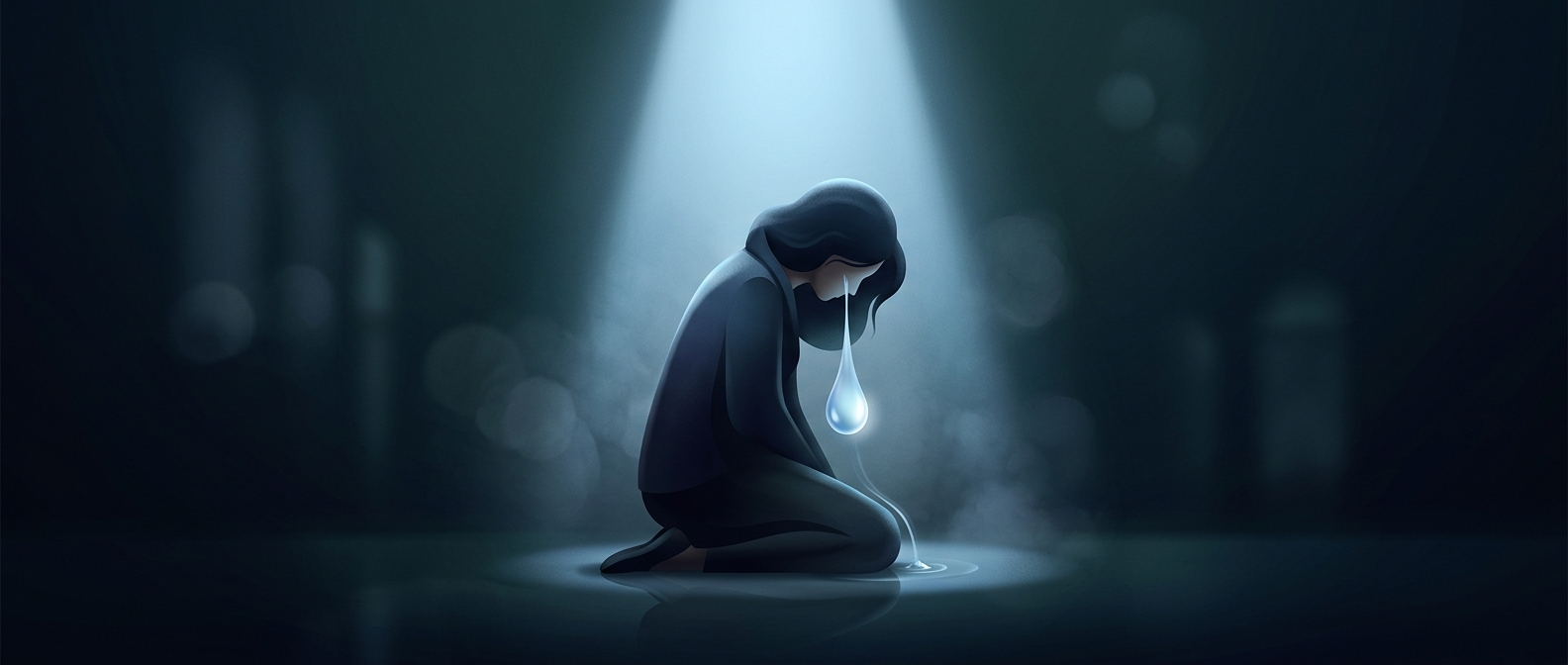
Rain works especially well after a breakup because it can make a private loss feel like it has changed the whole world. That is a visual metaphor: an external image stands in for an internal feeling. The device is familiar enough to read quickly, which lets a director communicate the emotional turn without explaining it in dialogue. It can also be undercut—an awkward umbrella, a crowded bus stop, or a character trying to keep moving can make grief feel ordinary rather than grand.
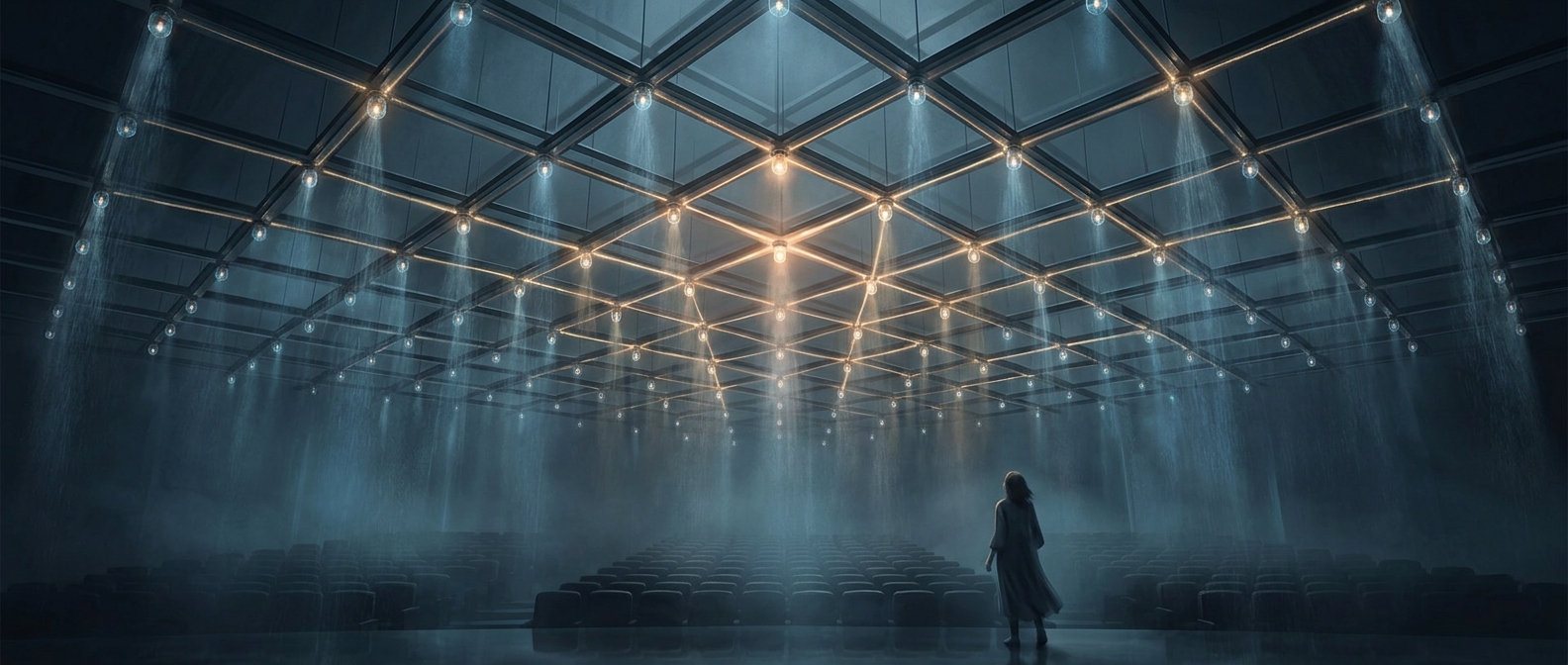
On a set, rain is usually a controlled effect, not a lucky change in the forecast. Crews can use artificial rain and manage lighting so droplets show up on camera; they also have to keep the wetness consistent across repeated takes. Those choices make the downpour legible as mood. The memorable image is not simply a sad person in bad weather, but a character whose emotional world seems to have become visible.