Why one tear can say more than a breakdown
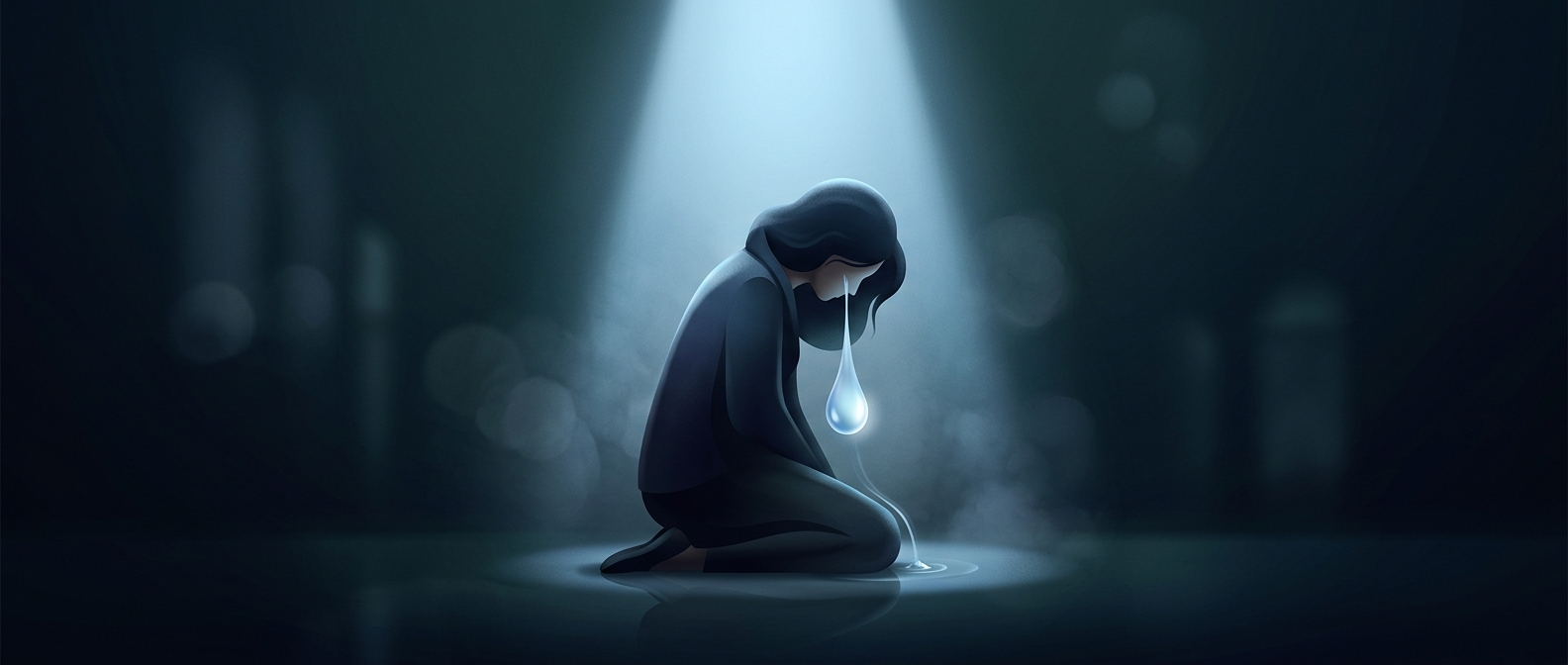
A movie has only a few seconds to make an emotion legible. A single tear gives the camera a clear, visible change on the face while leaving the actor’s eyes, mouth, and posture controlled. The audience can read both at once: grief is present, and the character is trying to contain it.
That tension often carries more meaning than an immediate sob. A breakdown shows emotion spilling out; a tear held in place suggests the effort to keep it from spilling. It can make grief feel private, restrained, or newly understood by the character—and lets viewers supply some of the feeling themselves.
The camera turns a small gesture into a story
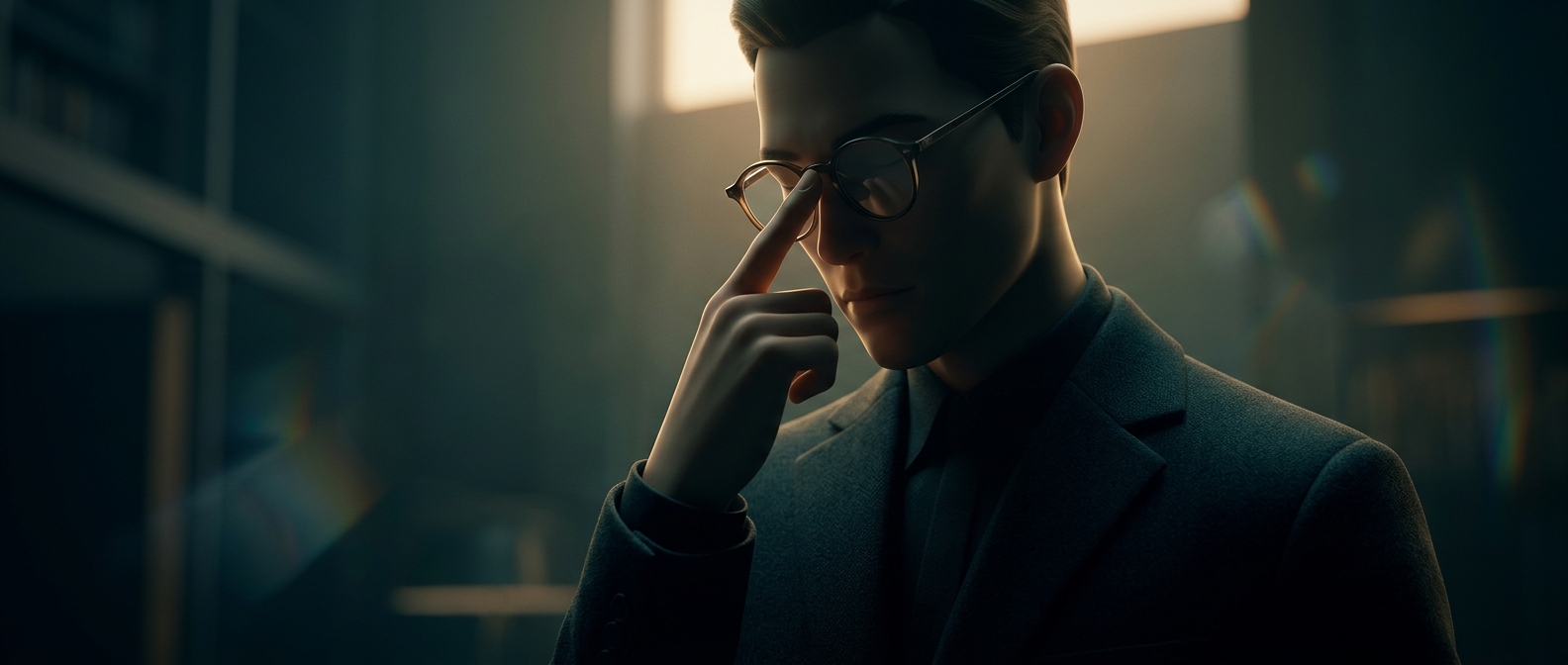
Film close-ups magnify details that might go unnoticed across a room. A tear catches light, gathers at the lower eyelid, or traces a path down the cheek. The face around it remains expressive, so the drop becomes a focal point rather than one detail among many.
The effect depends on timing. If the tear arrives before the character reacts, it can reveal emotion they have not admitted. If it appears after a long pause, it can mark the moment their composure finally gives way. The same drop can therefore signal recognition, farewell, or a decision to stay silent, depending on what came before.
Restraint leaves room for the audience
A single tear is not a universal shorthand for grief; films use it because a controlled gesture can fit a controlled character and a tightly framed scene. A sobbing performance may be more truthful for someone who cannot hold back. But when a film chooses the solitary tear, it makes restraint visible—and turns one small movement into the point where the audience sees the mask begin to slip.