Why a Mirror Makes an Inner Conflict Visible
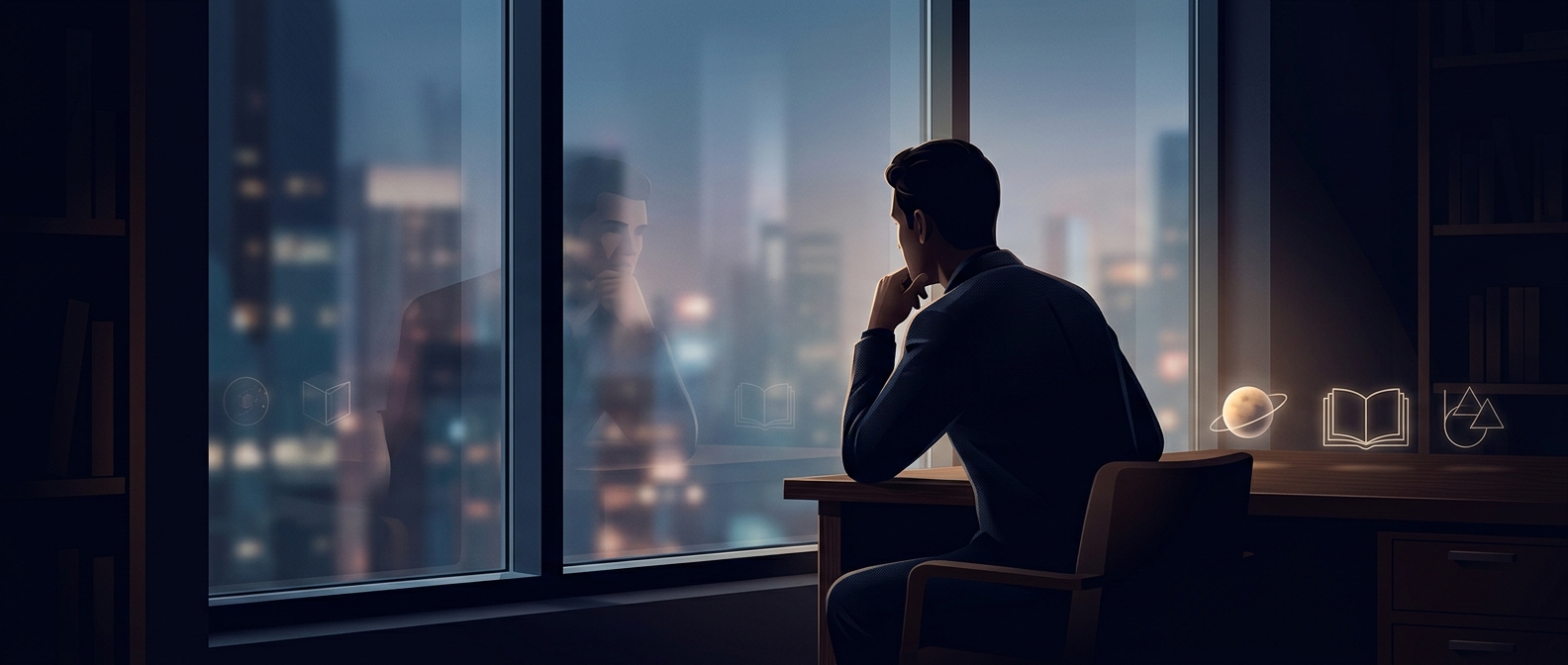
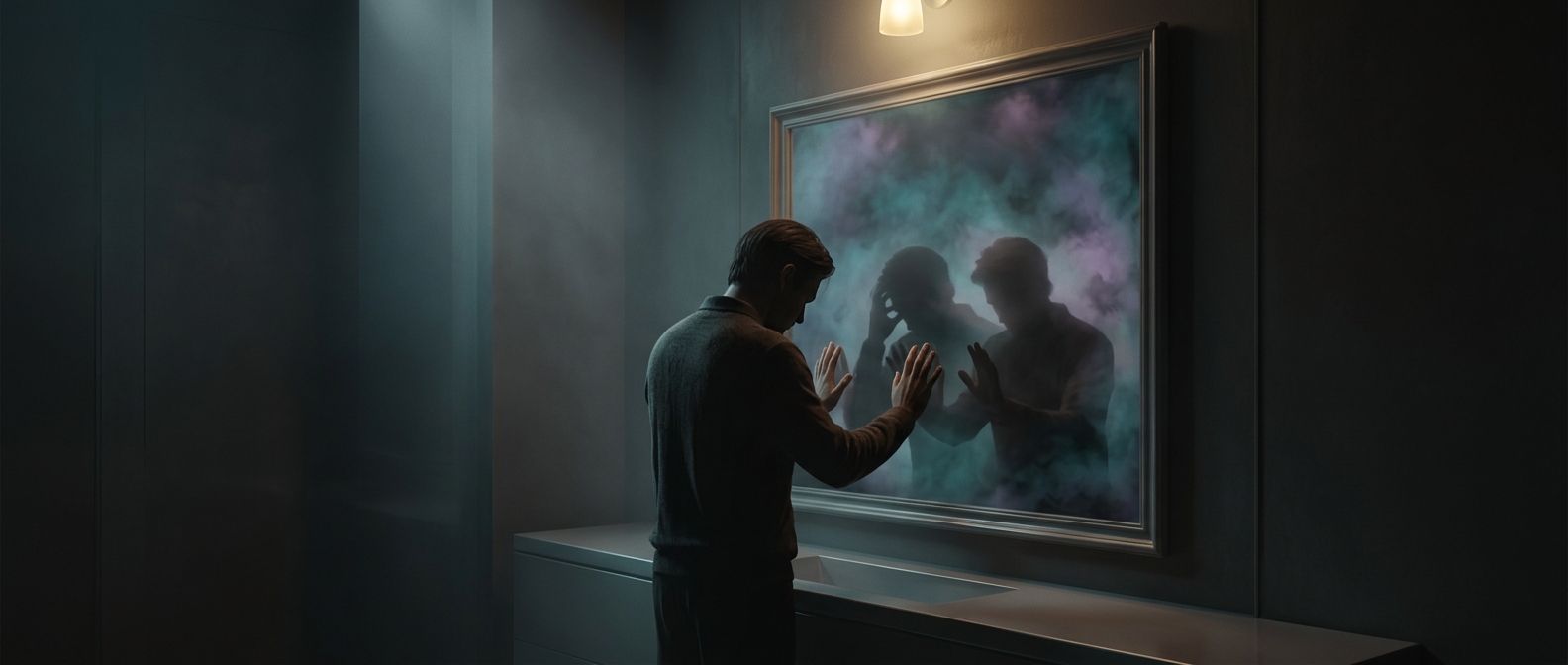
A character’s crisis is private: regret, fear, or doubt has no obvious shape on screen. A mirror gives the camera a second image of the same person, turning an inward struggle into something viewers can watch. The character faces their own reflection, but the audience sees both the person looking and the face being examined. That split can suggest a gap between who someone is and who they thought they were.
The setting helps carry the meaning. A bathroom or washroom is usually a private, practical space, not a place where a character performs for others. Its hard surfaces, close quarters, and steady light can make a pause feel exposed. A character bracing against a sink also gives the actor a physical action to anchor a scene that might otherwise be only silent thought.
The Reflection Is Also a Camera Problem
Filming a mirror requires careful positioning: a camera placed where the reflection should reveal it can spoil the illusion. Crews may shift the camera off the mirror’s direct angle, adjust the framing, or use a set arrangement that keeps equipment out of view. The actor’s gaze matters too. Looking at their reflected eyes can make the moment feel like self-examination; looking just past them can make the character seem distracted or unable to face the thought directly.
Those choices shape how the pause reads. A steady shot can let viewers sit with the character’s expression, while a cut between face and reflection can make the two images feel more sharply divided. The mirror does not explain what the character has decided. It gives the audience a clear place to look while that decision is still taking shape.