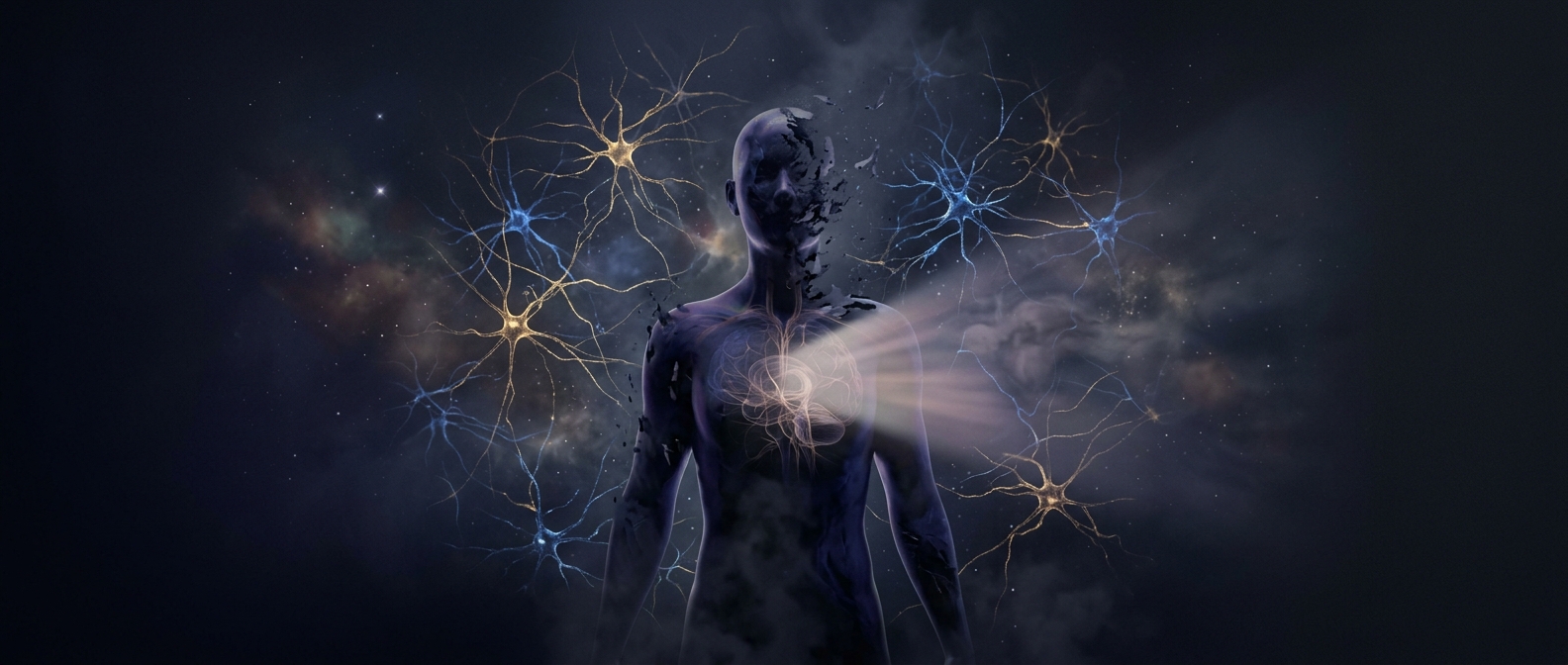
What “annihilation” means in fana
In Sufi mysticism, fana is a spiritual term for the fading of self-centered awareness—not the physical destruction of a person or the loss of ordinary identity. The word is often translated as “annihilation,” but the image is inward: the worshipper’s attention is no longer dominated by personal desire, pride, or the feeling of acting independently of God.
This is not simply an intense emotion or a claim that the individual literally ceases to exist. It describes a change in how the self is experienced and understood. The usual boundary between “what I want” and devotion to God may feel radically diminished, though Sufi teachers and traditions explain the experience in different ways.
Fana is not the end of spiritual life
Fana is often discussed alongside baqa, meaning “subsistence” or “remaining.” In this pairing, the self’s apparent disappearance is followed by a return to ordinary life, now lived with a deeper orientation toward God. The point is not to escape daily responsibilities but to loosen the grip of self-importance within them.
That distinction makes the idea more practical than its dramatic translation suggests. A person who speaks of fana is describing a transformation in spiritual attention, not proving that a separate self has been erased as a fact of the physical world.