A Poker Bet Can Tell Two Stories
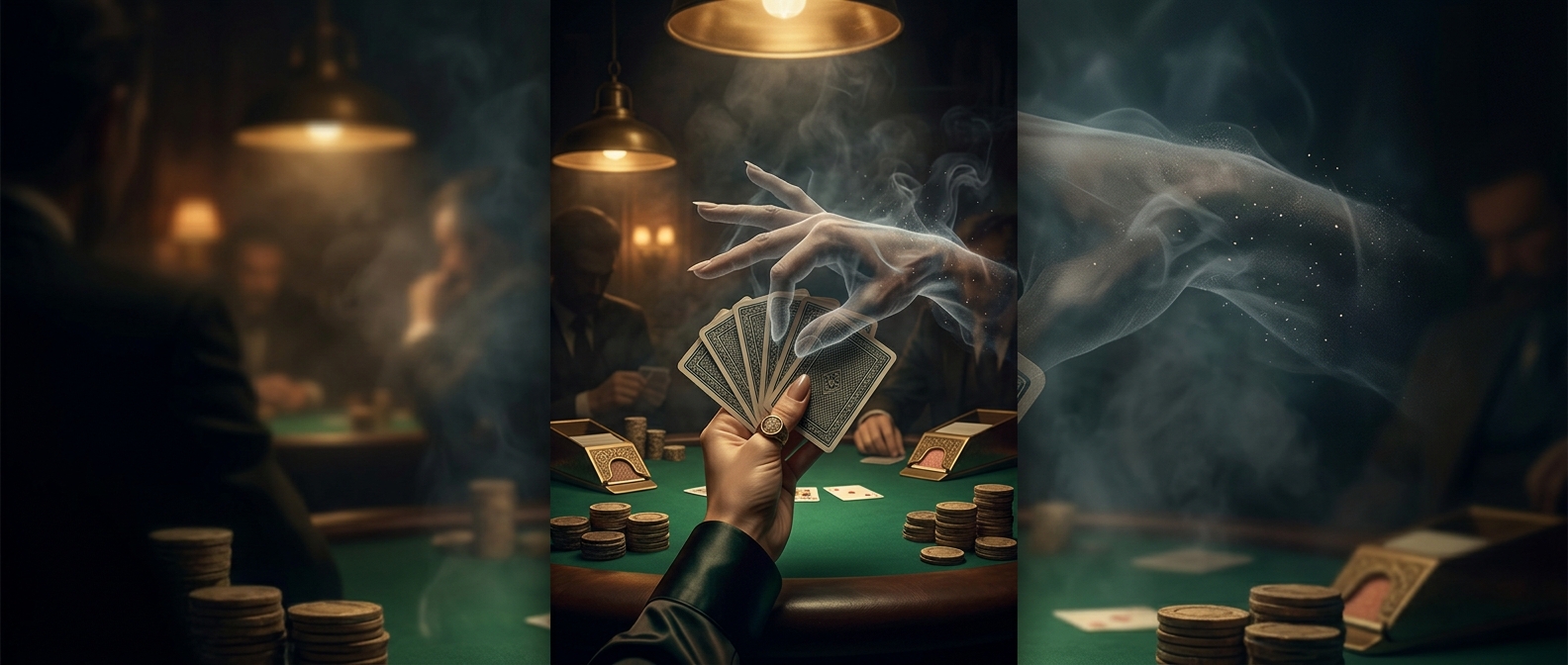
A bet in poker is both an attempt to win chips and a message about a hand. A player with a strong hand may bet to build the pot; a player with a weak hand may make the same bet to suggest strength and persuade opponents to fold. That second move is a bluff: it works when the story told by the bet seems more convincing than the cards an opponent could otherwise see.
The deception is not simply pretending to be confident. Players choose how much to bet, when to act, and whether to keep betting in ways that help make their claimed hand believable. A large bet can threaten a costly loss, but it also risks more chips if called. A bluff therefore depends on both the opponent’s judgment and the price of being wrong.
Why Strong Hands Need Bluffs Around Them
If a player only bet with excellent hands, observant opponents could fold whenever that player showed strength. Bluffing makes those strong-hand bets harder to read: opponents must consider that a seemingly powerful bet might be a lie. In turn, a player who bluffs too often may be called more readily.
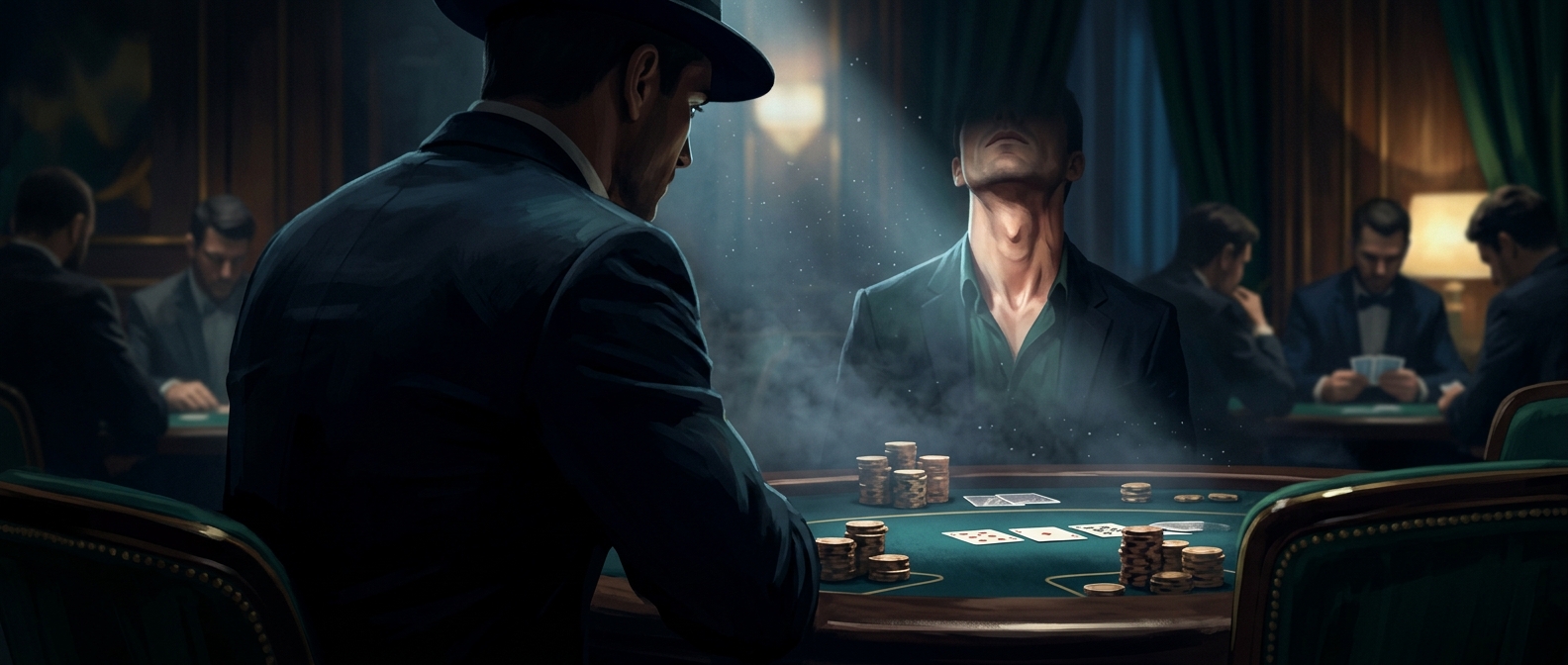
This creates a strategic balance. Players try to make their actions difficult to interpret, while opponents look for patterns in betting, timing, and past decisions. A “tell”—a behavior that may hint at what someone holds—can matter, but it is not proof. The same gesture can come from nerves, habit, or deliberate acting.
Familiarity Raises the Stakes
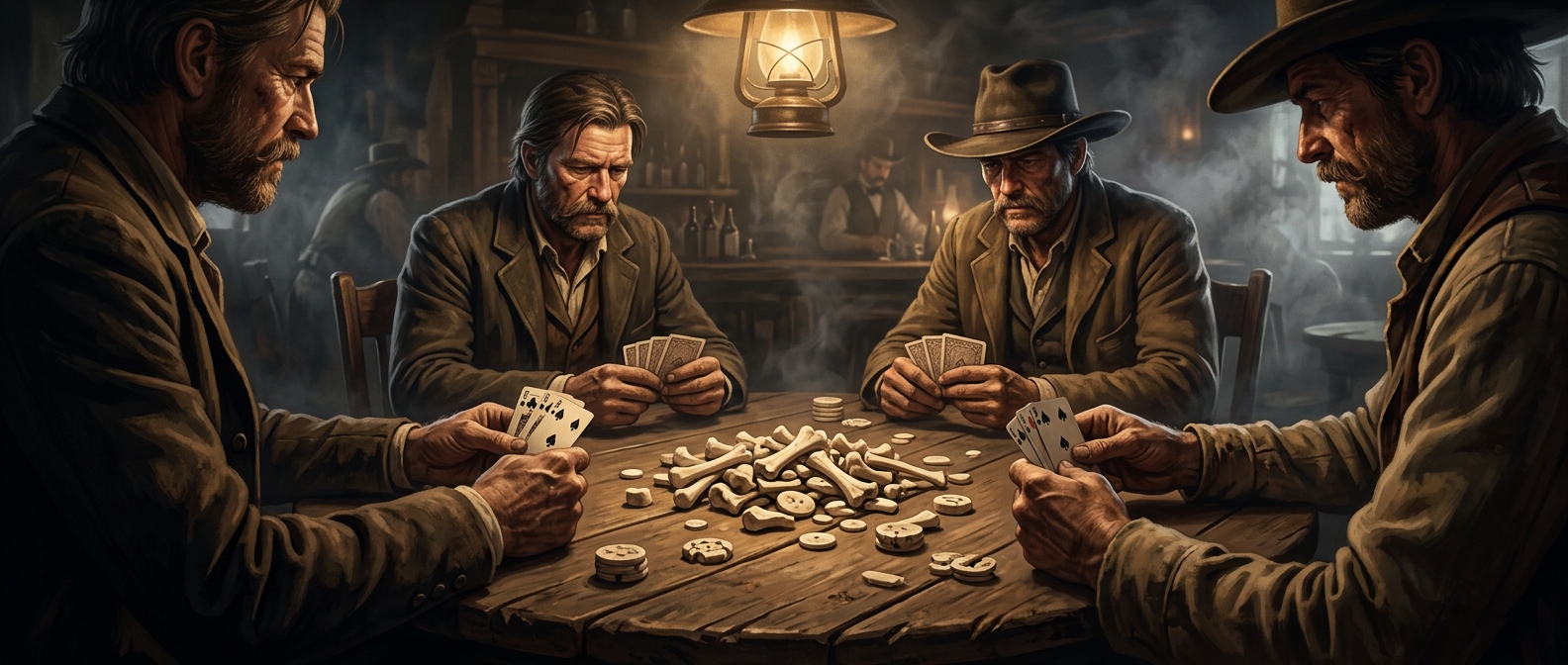
Against close friends, players may have years of experience noticing one another’s habits. That familiarity can help someone spot a change in behavior, but it can also make bluffing more personal: a friend must decide whether to trust a familiar manner or the evidence of the current hand. The most effective deception is not necessarily a dramatic performance. It is a plausible bet that leaves an opponent unsure whether folding is safer than calling.