A Card Game Was Also a Test of Nerve
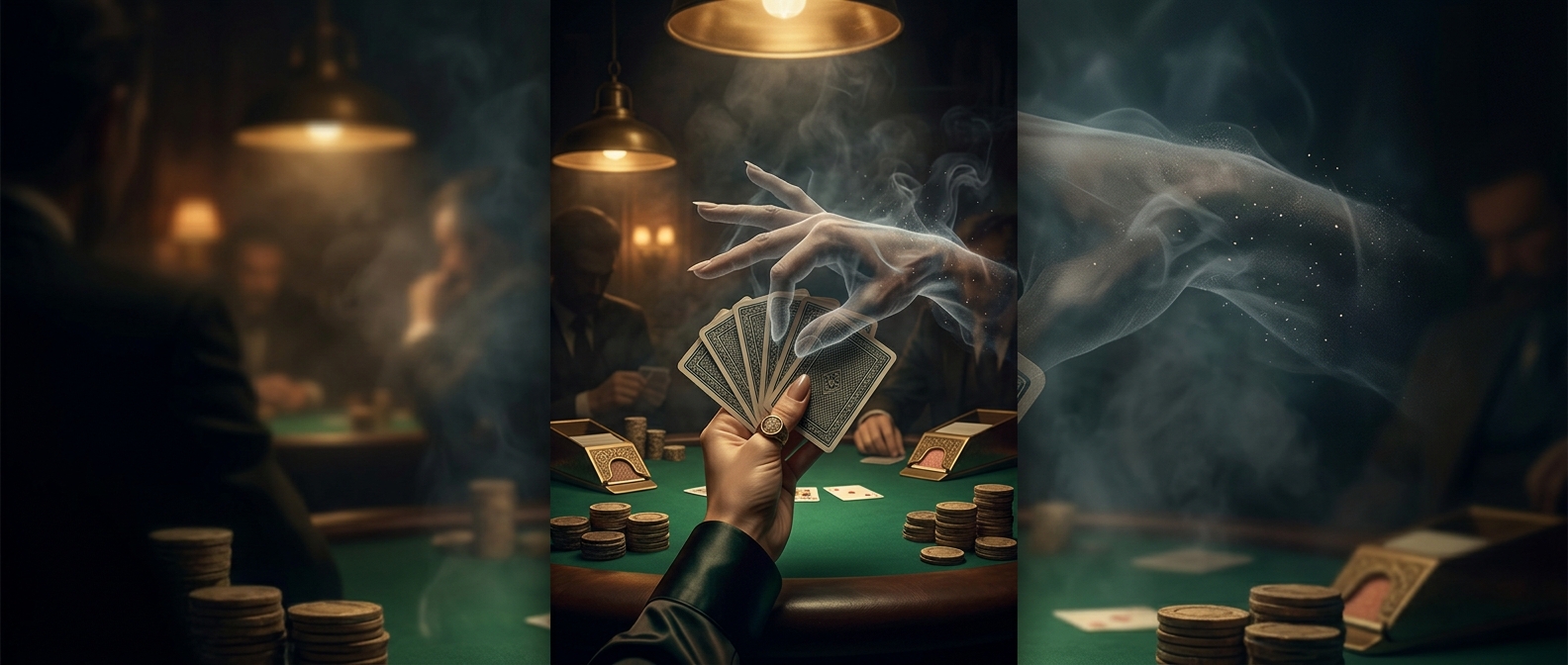
In a bluffing game, a player’s hand is hidden, so opponents must judge not only the cards but the person holding them. A confident bet could signal a strong hand—or be an attempt to make everyone else fold. That uncertainty made timing, nerve, and close attention to other players part of the contest.
Cheating Changed What Players Had to Watch
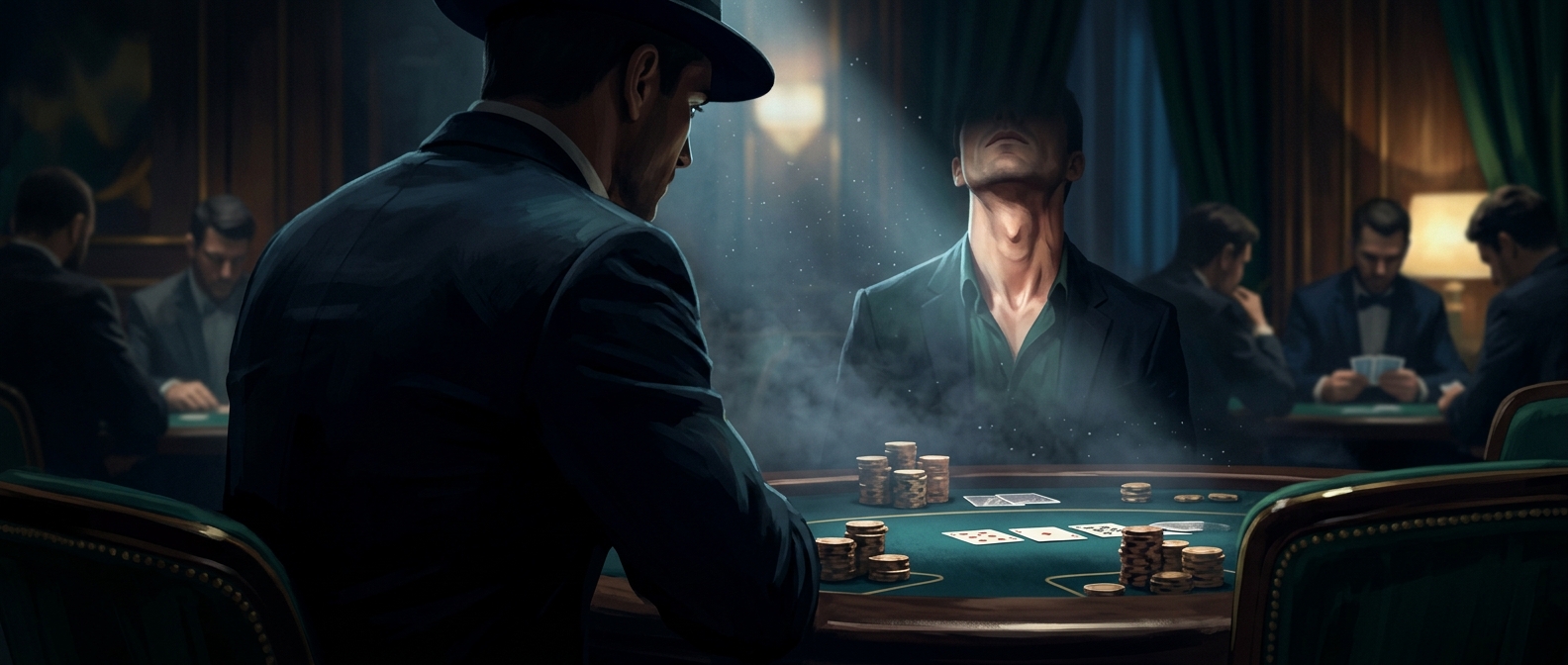
In rough saloons, the danger did not end at the table. If players suspected someone of marking or switching cards, the game’s basic trust could collapse. A winning hand might be earned, bluffed, or manipulated; players therefore had reason to watch hands and reactions as carefully as the deal. The possibility of cheating made an ordinary loss feel like a personal challenge.
When the Stakes Left the Table
That atmosphere could turn a card match into a test of physical readiness. The caption’s reference to drawing faster captures the threat hanging over some games: a dispute might escalate beyond the cards. The same uncertainty that made bluffing effective also made it difficult to know whether a rival was merely playing hard—or preparing for something worse. In such a setting, reading the room could matter as much as reading a hand.