How the skull grows without splitting apart
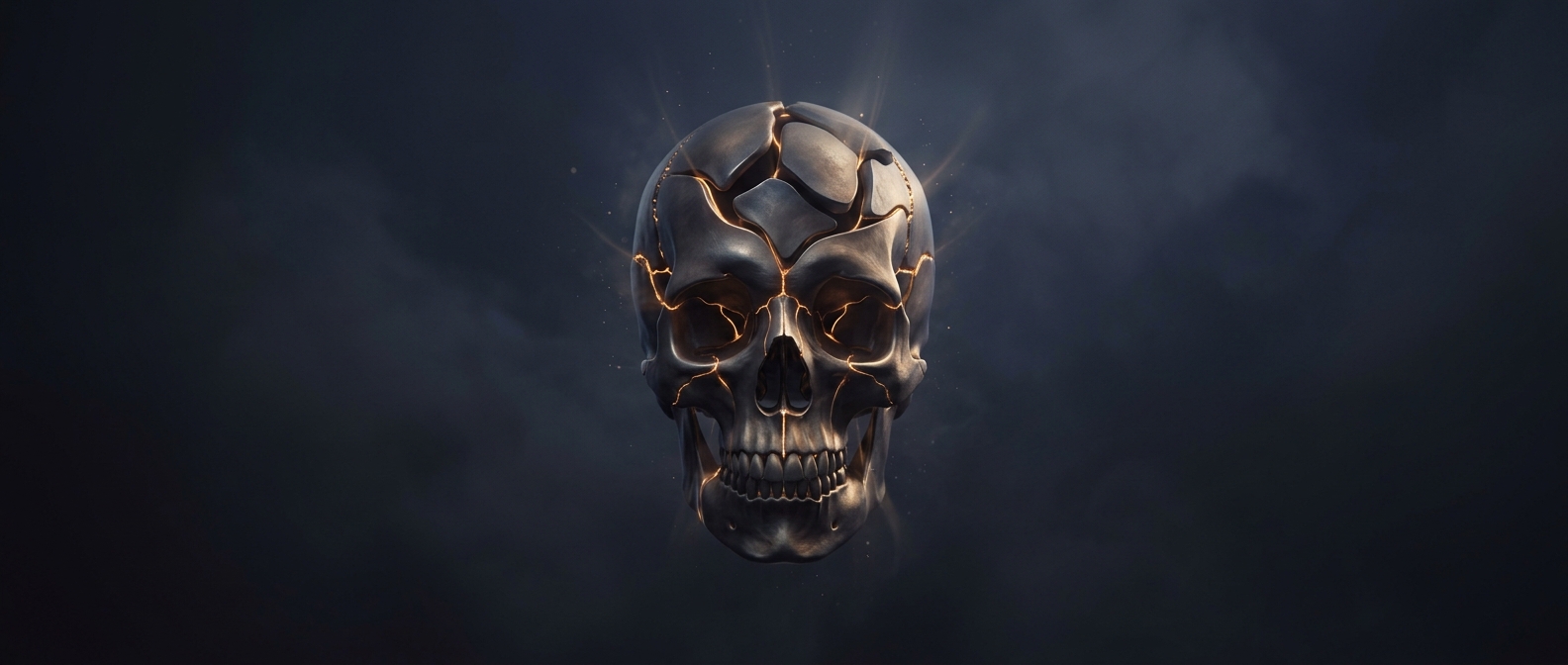
The seams between skull bones are called sutures. They are not gaps like the spaces between loose puzzle pieces: tough connective tissue holds the bones together, while their jagged edges fit closely against one another. This makes the skull a firm protective case without making it one unyielding piece.
During infancy and childhood, the brain grows rapidly. At the sutures, new bone can form along the edges, allowing the skull to enlarge as the brain expands. The bones stay connected as they grow, so the seams are part of the skull’s construction—not cracks that need to close.
Why the seams matter
The soft spots on a baby’s head, or fontanelles, are wider gaps where several skull bones have not yet met. They make it easier for the skull to change shape during birth and leave room for early growth. As the bones grow toward one another, these gaps gradually close; the timing varies by location.
A suture that fuses too early can interfere with the skull’s normal growth pattern. This condition, called craniosynostosis, may change the shape of the head and sometimes requires medical treatment. The puzzle-like arrangement is therefore more than a way to assemble a hard shell: its seams help make growth possible while the bones continue to protect the brain.