Why a Spinal Adjustment Can Pop
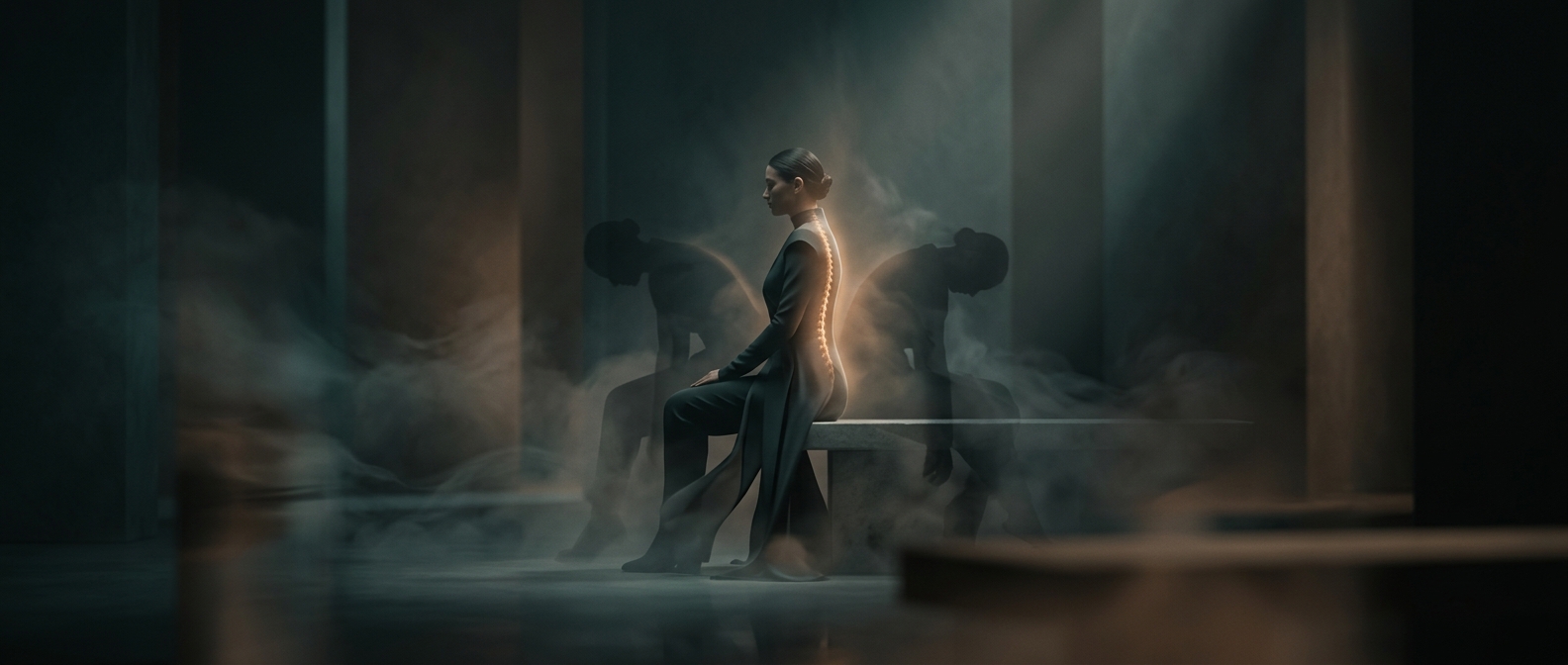
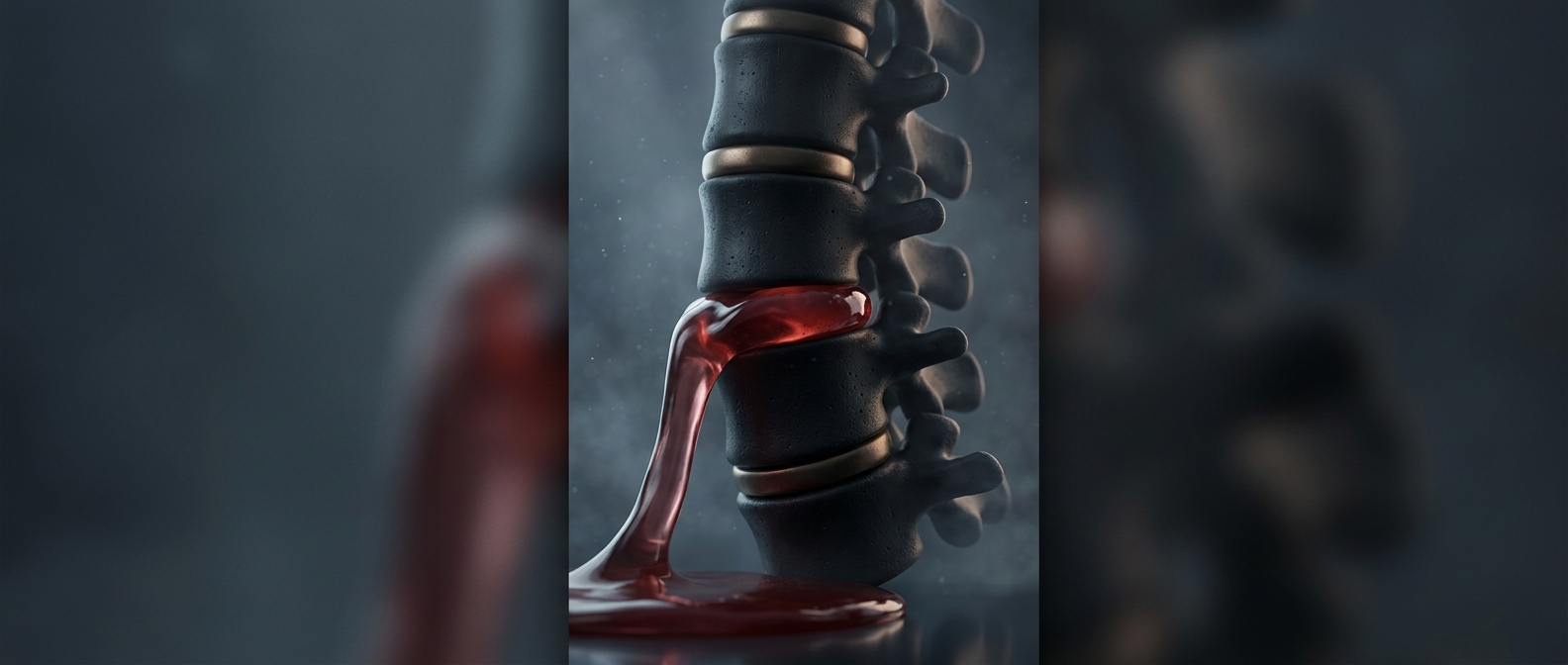
A spinal joint is surrounded by a capsule filled with lubricating fluid. When a practitioner quickly moves a joint, the surfaces can separate slightly, changing the pressure inside the capsule. Dissolved gases in the fluid form a cavity in that lower-pressure space, producing the familiar pop. This pressure-related event is called cavitation.
The sound is not a bone snapping or shifting back into a proper position. It is a byproduct of a rapid change inside the joint—and it can happen in joints elsewhere in the body, too.
What the Sound Can—and Cannot—Tell You
A loud crack can make a manipulation feel dramatic, but volume is not a measure of force, accuracy, or benefit. Nor does the sound show that the joint was stuck or damaged beforehand. Some manipulations produce no audible pop at all; the joint can still move without one.
After a pop, the joint may be temporarily harder to crack again. The pressure and gas distribution need time to return to conditions where another cavity can form. That pause is why repeatedly trying to make the same joint pop immediately may not work.
The Pop Is Not the Treatment’s Scorecard
Spinal manipulation involves applying a controlled force to a joint. The sound may accompany that movement, but it is not proof that a bone was “put back” or that a problem was corrected. The noise tells you that a rapid joint-pressure change occurred—not whether the treatment was necessary or effective.