How oil turned paper into a floor covering
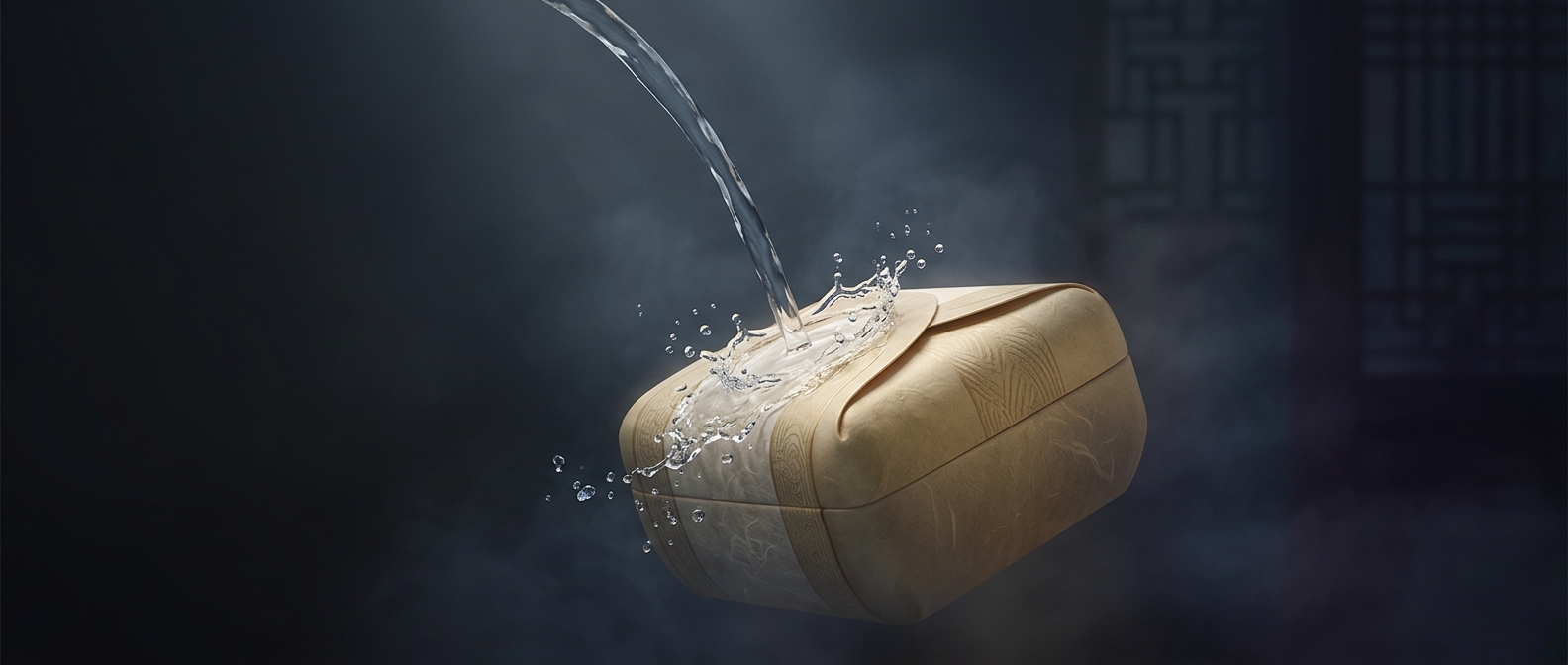
For uses that had to cope with spills and scuffing, Hanji could be finished with oil. A familiar example is jangpanji, paper used to cover floors: oil worked into its surface made it less likely to soak up moisture and easier to wipe clean. The treatment did not make ordinary paper indestructible; it gave a useful material a more resilient finish for a particular job.
A material adapted to the room
The same paper-making tradition served different needs. Paper layered over a window could soften daylight while still covering the opening, while oiled floor paper had to endure contact with feet and household mess. These were not identical applications: the finish depended on what the paper needed to do.
That adaptability mattered in homes where paper was not merely for writing. Hanji could become part of the building’s interior, changing how a room handled light, drafts, and everyday wear. Its strength came not just from the sheet itself, but from choosing how to finish and use it.
The striking shift was from paper as a delicate surface to paper as a practical household material—one whose treatment could help it serve underfoot as well as at a window.