Why a passport image shifts with the angle
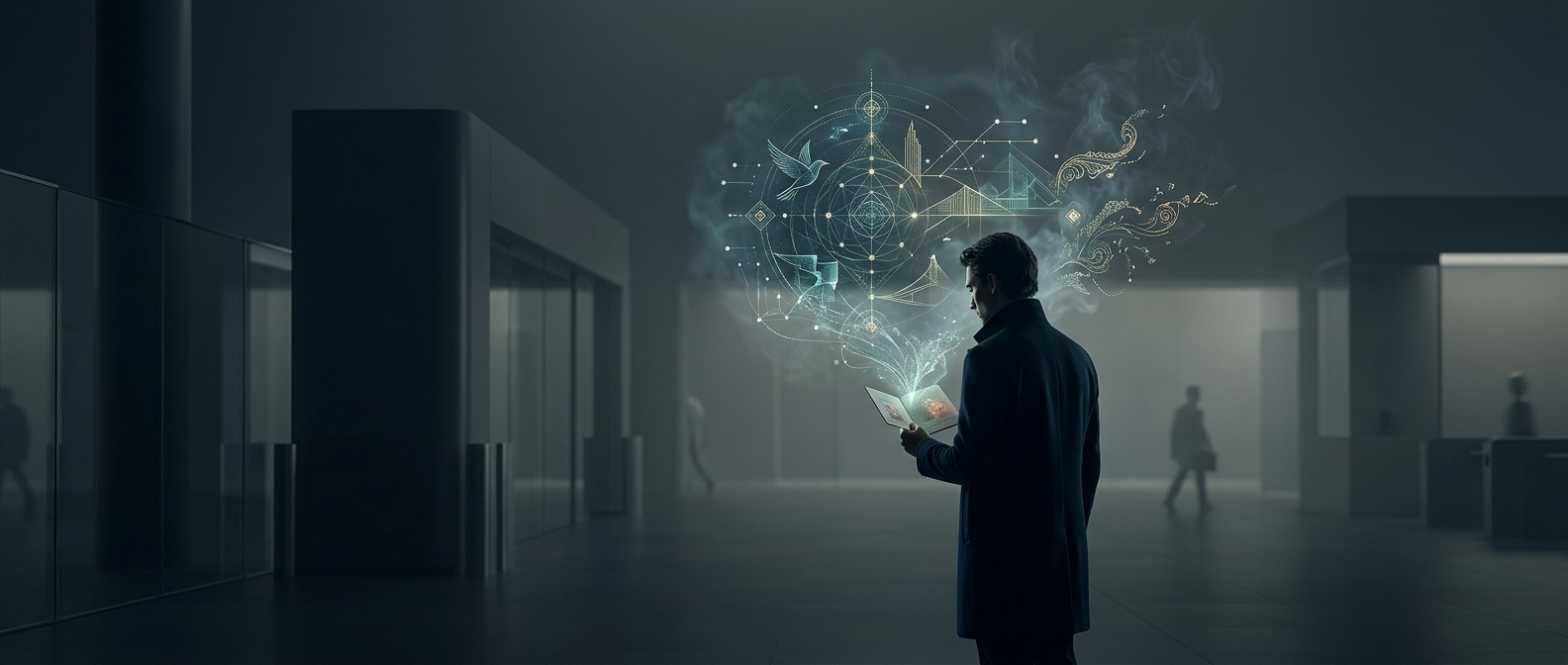
A passport hologram is not simply a shiny picture printed on top of the page. Its surface contains microscopic structures that redirect light in carefully controlled directions. As the document moves, different parts of the structure send light toward the viewer, making colors, shapes, or patterns appear to change.
That angle-dependent response is the useful part. Ordinary ink can imitate a symbol or color, but it does not naturally reproduce the same coordinated shifts when the page is tilted. Copying the effect requires reproducing fine surface geometry and its optical behavior—not just matching what the feature looks like in a flat scan.
A quick check, not a verdict
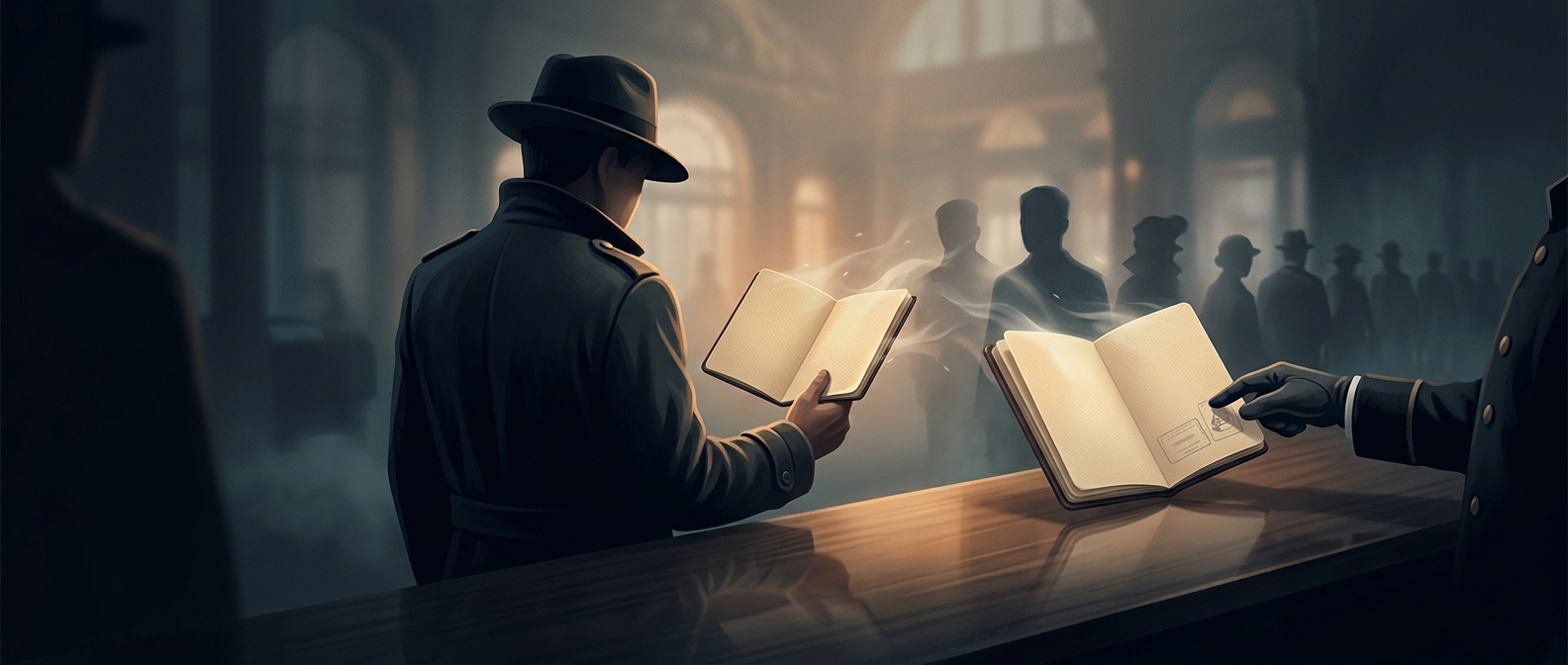
An officer can tilt the passport and look for the designed changes without special equipment. The check is fast because the feature itself supplies the test: move the document, and the image should respond. A flat copy may look convincing at one angle yet fail to show the expected movement.
Holograms are only one layer of passport security. Their visible effects help flag suspicious documents, while other features—some designed for inspection with tools or electronic readers—provide separate checks. A hologram therefore raises the effort required to counterfeit a passport, but its presence alone does not prove that a document is genuine.
The practical advantage is that a tiny optical structure turns an ordinary motion—tilting a page—into a repeatable inspection step.