Turning a laboratory procedure into machine instructions
A remote experiment starts with a researcher describing the work in a form the lab’s automation can carry out. Instead of standing at a bench and pipetting by hand, the researcher uses a laptop to direct automated equipment: robotic tools move liquids between containers, while laboratory instruments perform the steps they are equipped to handle.
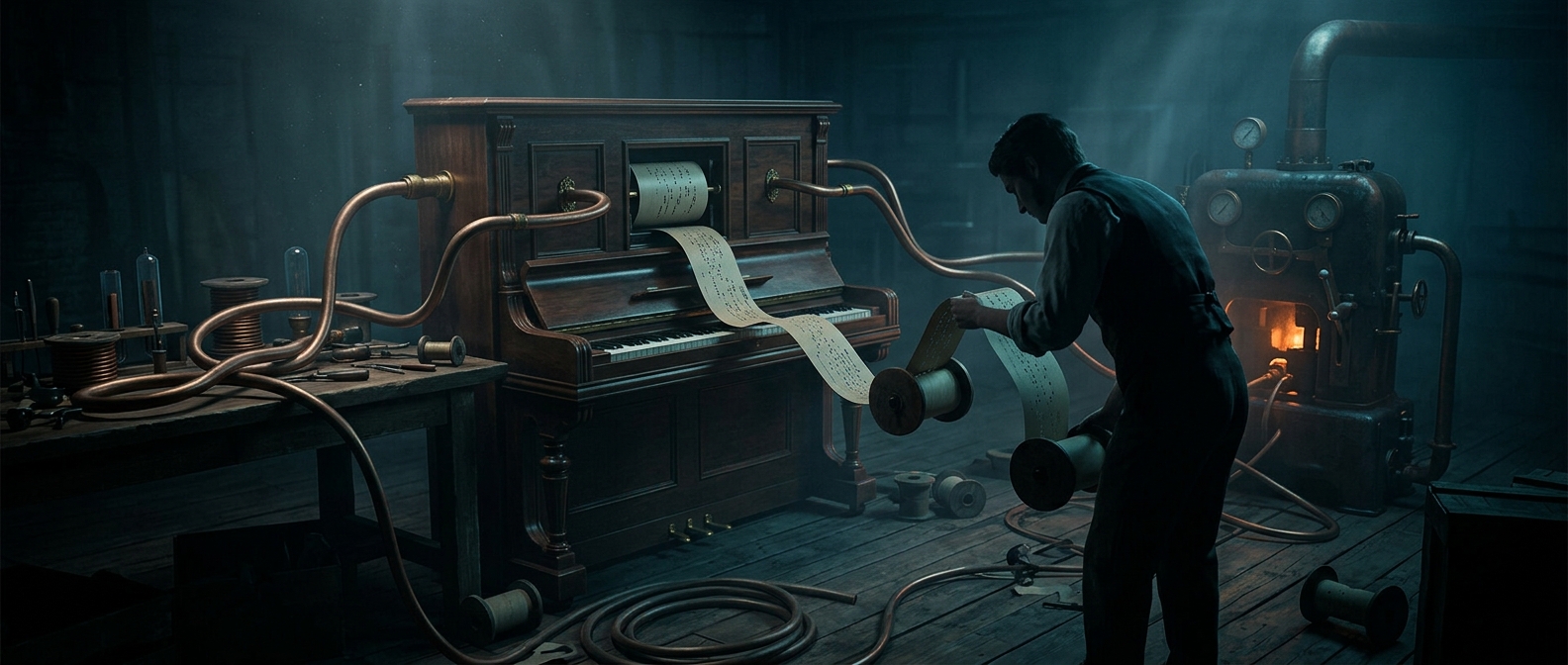
That changes the researcher’s role. The human still decides what to test and how the procedure should proceed; the machines carry out the physical handling. The crucial link is the procedure itself: it must be translated into instructions precise enough for equipment to follow, such as which liquid to move and where to put it.
Distance changes who can reach the equipment
In the example, a researcher in Paris can request that robotic equipment in California mix liquid DNA. The experiment’s physical work happens where the machines are, while the researcher directs it from elsewhere. The laptop is therefore not merely a screen for viewing results; it is the control point for initiating work in a real laboratory.
This arrangement can make specialized equipment accessible without requiring every researcher to be physically present beside it. It also makes a practical constraint clear: remote access does not remove the need for the right machines, materials, and executable procedure at the lab. What it removes is the researcher’s need to perform each hands-on step there. A person can be across an ocean while a robot performs the careful liquid handling at the bench.