
A closer look
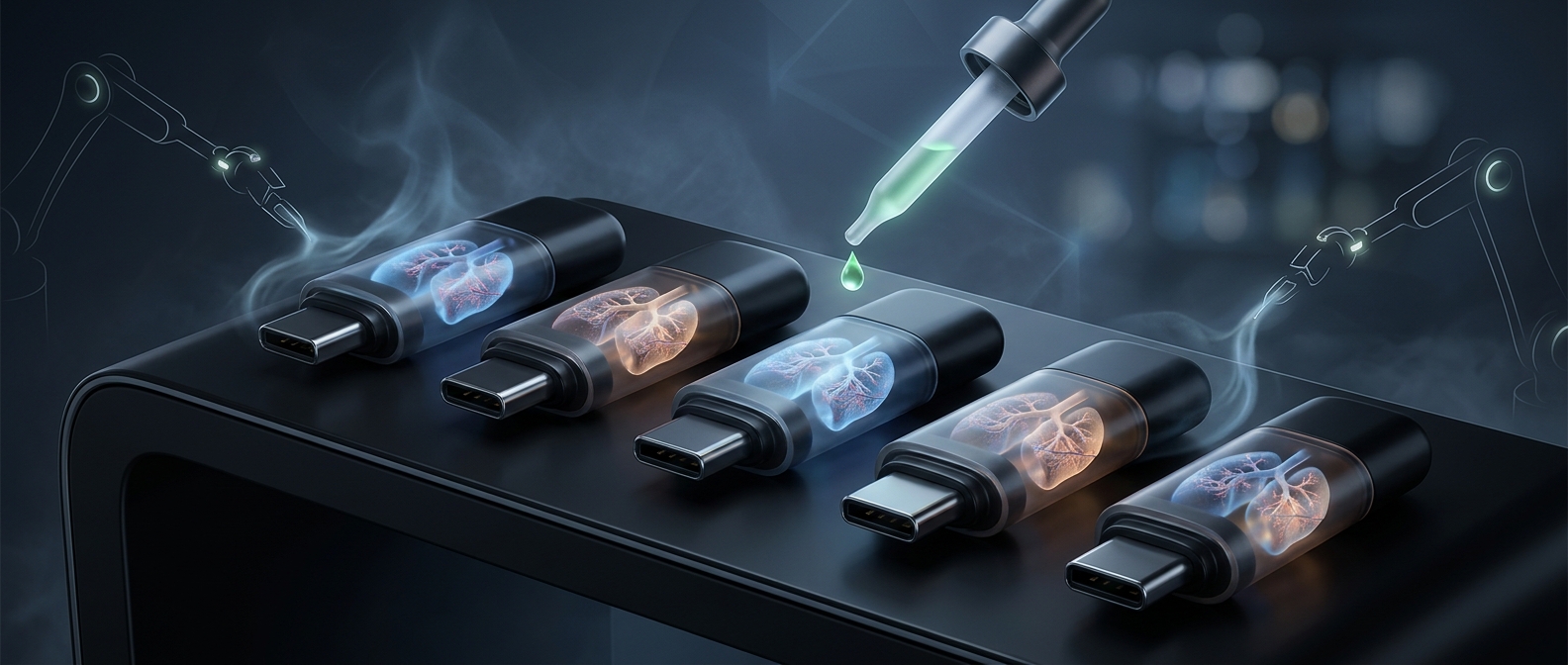
Animal testing is not just cruel; it is surprisingly terrible at predicting actual human reactions. Enter microfluidic organ-on-a-chip automation. Researchers at the Wyss Institute engineer tiny, flexible polymer chips lined with living human cells that physically breathe and pump just like our own organs. By flowing automated microscopic drug droplets through these synthetic blood vessels, scientists can observe human toxicity levels in real-time, completely bypassing the need for lab mice.