A revolutionary army made room for an unlikely commander
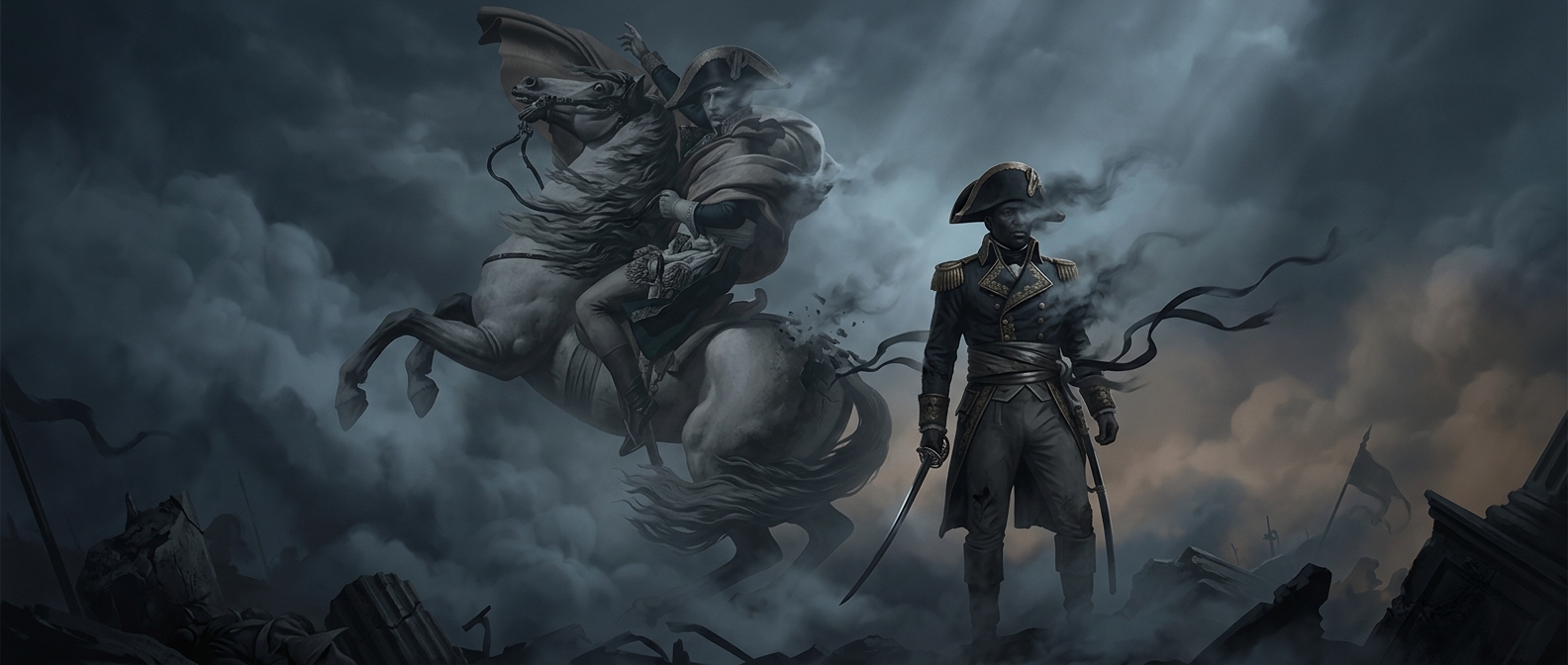
Thomas-Alexandre Dumas’s rise depended on a upheaval that weakened the old rules of rank. In the French Revolution, armies expanded rapidly and officers could advance through service and battlefield ability, rather than relying only on noble birth. Dumas, born enslaved in the French colony of Saint-Domingue and later brought to France, enlisted and climbed to senior command.
His title, general-in-chief, meant he led an army, not merely a small unit. That made his career difficult to fit into a society that still treated Black people as inferior. The nickname “Black Devil,” used by enemies, captured both the fear he inspired and the racial lens through which they viewed him.
The fall from command—and from public memory
Dumas’s career did not survive the political changes that followed the Revolution. After being captured during the Italian campaign and held for roughly two years, he returned to France in poor health. He never regained his former military position. Napoleon’s government cut his pension, leaving his family with less support, and Dumas was excluded from the official honors given to celebrated commanders.
That exclusion mattered beyond the loss of income. Public monuments and state recognition help determine whose service becomes part of a country’s shared story. Dumas’s absence from them made it easier for later generations to overlook a general whose life challenged the racial boundaries of his era.
A son carried the story forward
Dumas died in 1806, before his son Alexandre became one of France’s most famous novelists. The younger Dumas drew on his father’s life, preserving a family memory that official commemoration had sidelined. The result is an unusual legacy: a man pushed out of the state’s public narrative remained present in the work of a writer whose name would become world-famous.