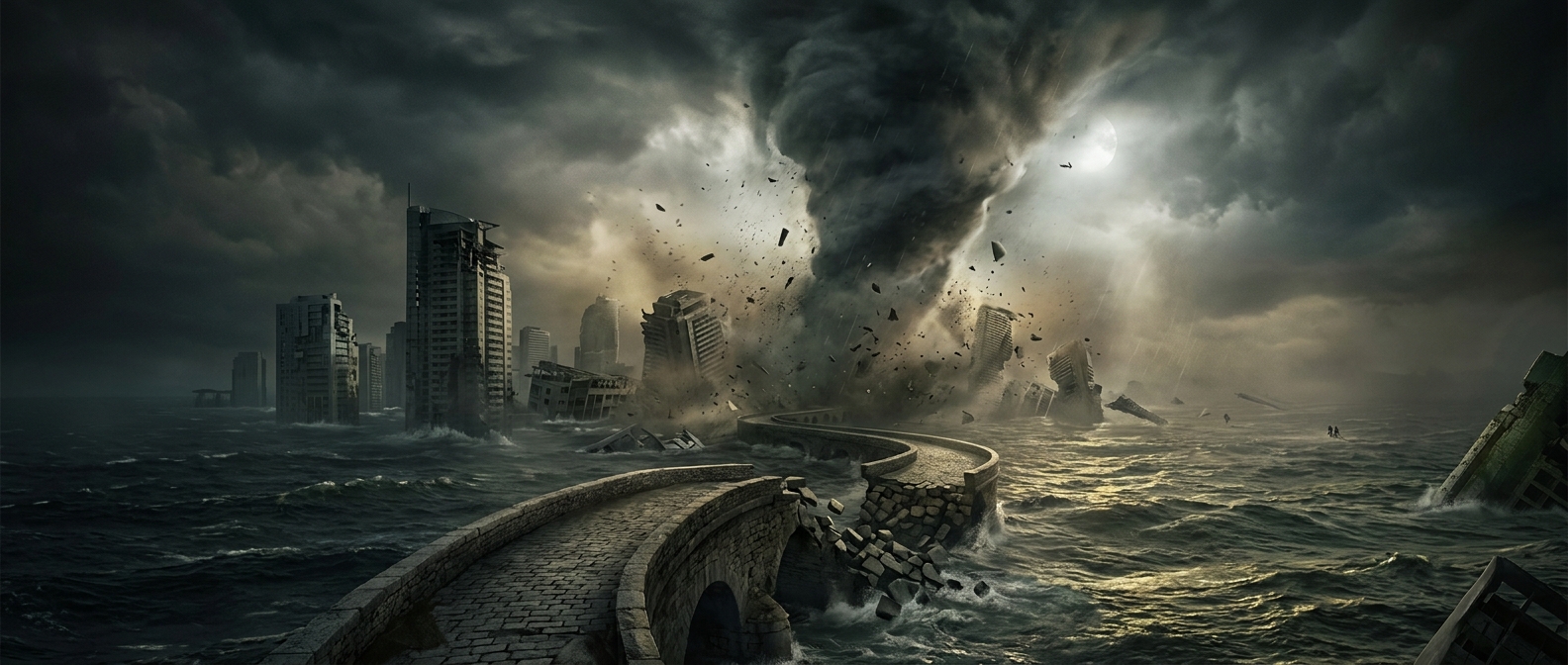
How a storm takes money off the planning calendar
A hurricane creates two bills at once. The first is urgent: clear debris, restore electricity, reopen roads, and repair damaged public buildings. The second is less visible: the development projects that were supposed to improve transport, water systems, schools, or other services over the coming years.
Governments cannot always pause the emergency bill. A washed-out road may cut off communities or prevent supplies from reaching them, while a damaged water system can become a public-health risk. Even when a project has funding set aside, officials may redirect money, borrow, or seek outside assistance to meet immediate needs. Each option has limits, and funds moved into response are no longer available for their original purpose.
Why the setback can last beyond the cleanup
Development projects depend on sequences: planning, approvals, contracts, and construction. When funding is pulled away, a project may be delayed rather than simply canceled. That delay can raise costs, require new approvals, or leave a needed improvement unfinished while the government’s attention and staff remain focused on recovery.
The storm can also damage the infrastructure that development spending was meant to strengthen. A road project delayed by recovery costs may leave communities more exposed to the next disruption; meanwhile, rebuilding the same road quickly may restore access without making it more resilient. Choosing how to rebuild is therefore a tradeoff between speed, cost, and reducing future risk.
Recovery competes with prevention
This is why disasters can erase years of progress without destroying every project outright. They force governments to choose between urgent repairs and investments whose benefits would arrive later. The consequence can be a cycle in which limited budgets repeatedly pay to restore what was damaged, leaving less room to build systems better able to withstand the next storm.