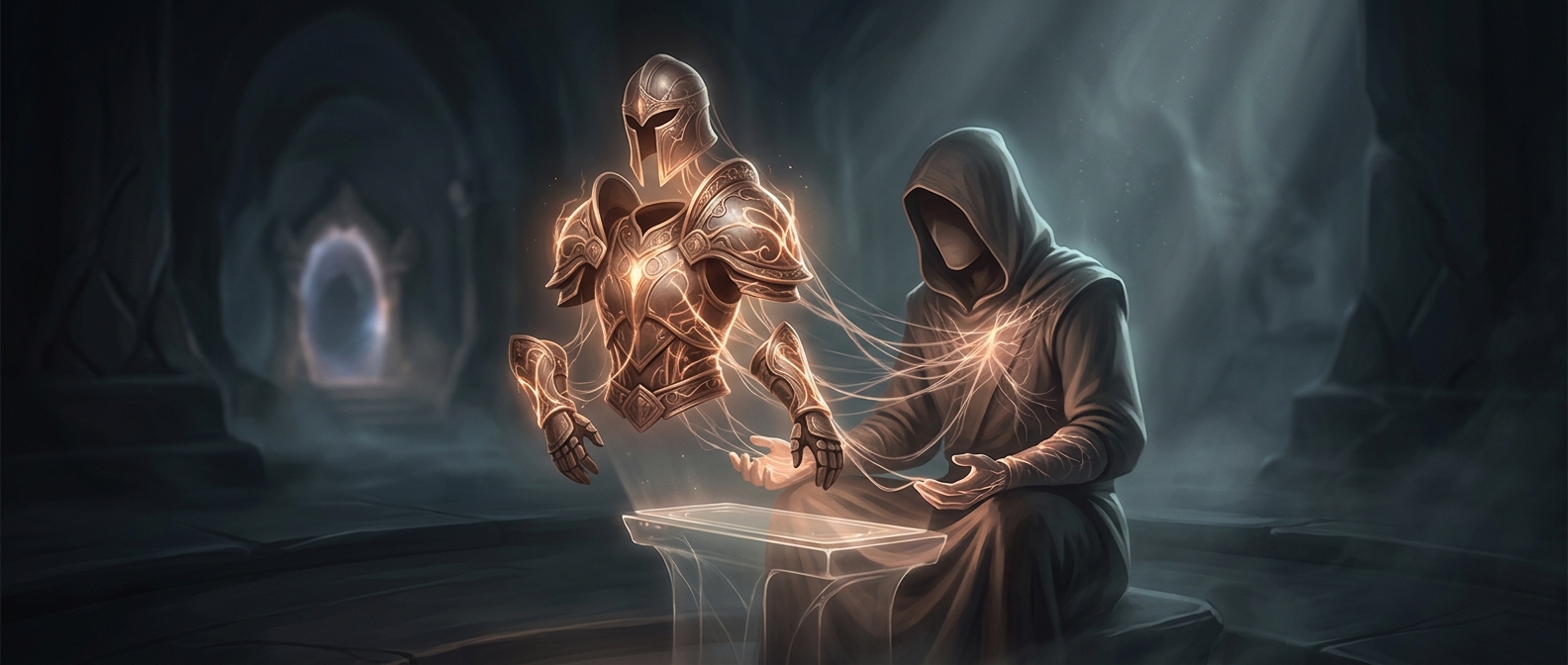
Why a virtual item can feel like part of you
A game helmet is not just an object in an inventory. It can become a marker of a particular stretch of play: the match where you earned it, the difficult challenge it helped you finish, or the character you gradually shaped around it. Seeing it can bring those experiences to mind, much as a ticket or trophy can stand for a real-world accomplishment.
That link changes what “losing an item” means. The immediate loss is the gear, but the mind may also register the vanished record of effort and progress attached to it. The item has become a small piece of a personal story.
Ownership makes the loss feel sharper
Psychologists describe a related pattern as the endowment effect: people often value something more once they regard it as theirs. A virtual item can acquire that sense of ownership through repeated use, customization, or the work required to obtain it. Its value is then not only what it can do in the game, but what it represents to its owner.
Loss can also loom larger than an equivalent gain. Replacing the helmet with a similar one may restore its function, but it may not restore the same history. That is why a vanished piece of digital gear can sting even when it has no physical form or resale value: what disappeared was also a visible reminder of time spent and progress made.