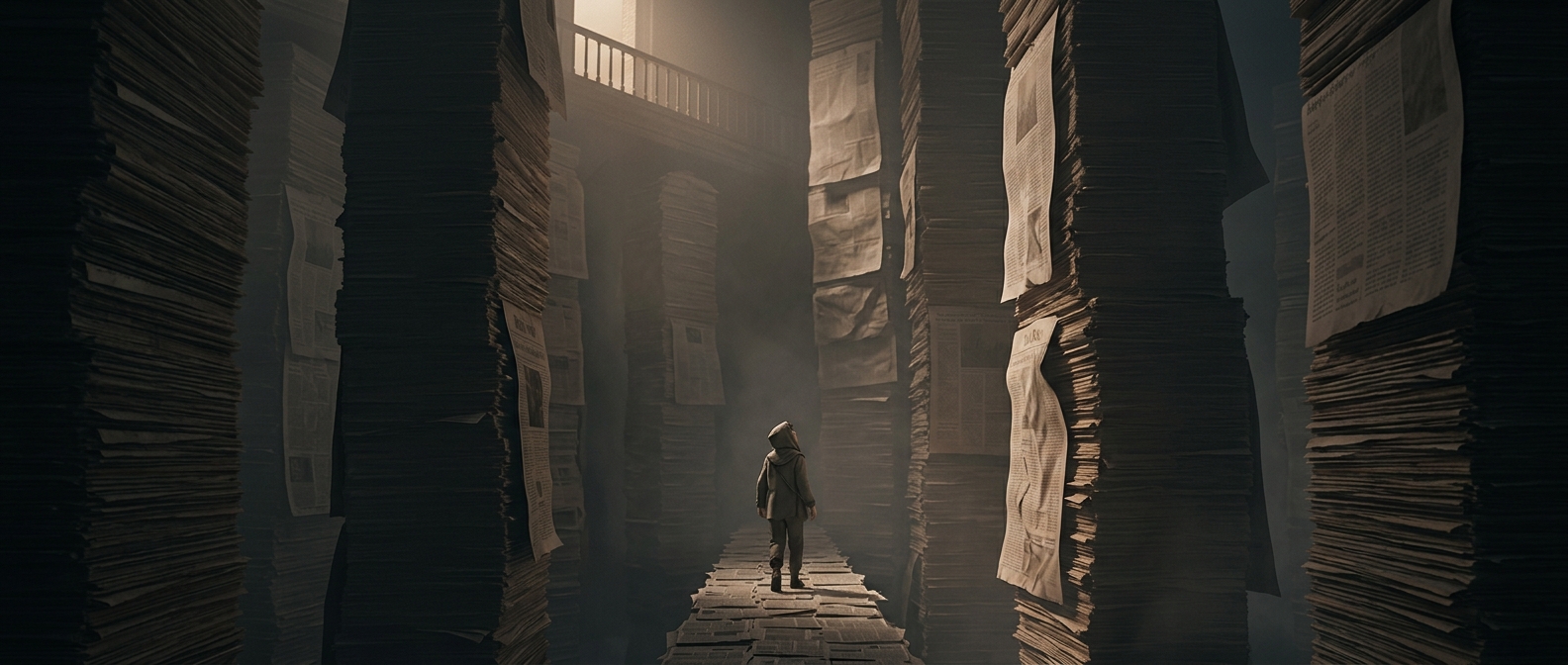
When the tax counted pages, size became a workaround
A newspaper could carry more words without adding another page by printing on a larger sheet. That mattered when a levy was tied to page count: the charge rose when a publisher added a page, not necessarily when the existing pages grew in area. Bigger sheets let printers expand the amount of material while keeping the taxed count down.
The distinction is between a sheet of paper and the pages readers see. A sheet can be folded or arranged to make several pages, and a larger sheet can give each page more room. Publishers could therefore fit longer reports, more notices, or additional columns into the same page count rather than pay for another taxed page.
A tax shaped the look of the paper
The workaround turned paper dimensions into a business decision. A larger sheet used more paper and could be harder to handle, but that extra material might cost less than the levy triggered by another page. The precise balance depended on printing and distribution costs; the basic incentive was to make each taxed page carry more.
Readers encountered the result as a broad, crowded newspaper rather than a neatly expanded run of pages. The format was not simply an aesthetic preference: when taxation made each additional page expensive, publishers had reason to squeeze more coverage into the space they already paid for.