When a Coin’s Metal Outprices Its Stamp
A coin has two kinds of value. Its face value is the amount the government says it can pay; its metal value is what its contents might fetch as a raw material. If copper, nickel, or another metal rises enough in price, a coin’s contents can become worth more than the number printed on it.
That comparison is not as simple as weighing a coin and checking a metals-price chart. Turning coins into usable metal takes labor and equipment, and a buyer may pay less than the market price to cover processing and risk. The metal value has to exceed the face value by enough to make those costs worthwhile.
Why Valuable Coins Can Disappear
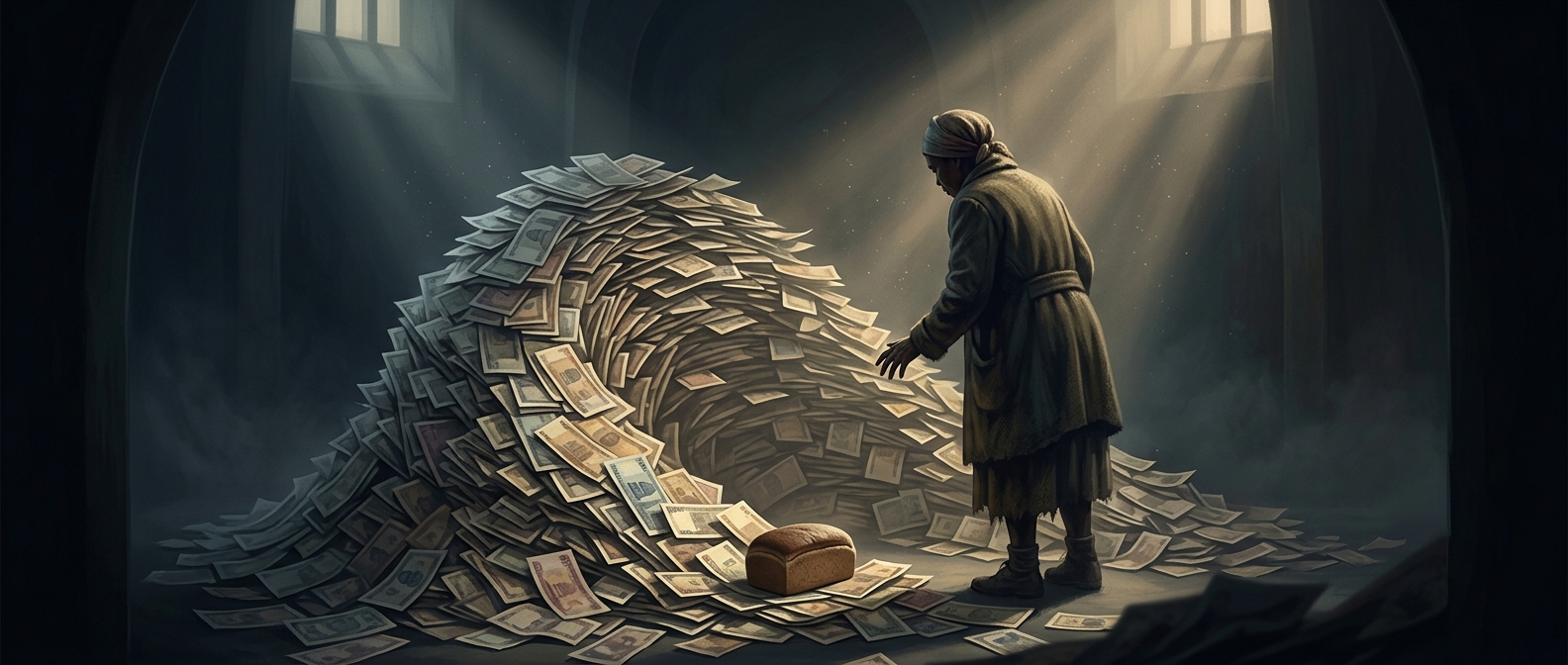
Once the metal is worth more than the coin’s spending value, people have an incentive to keep the coin rather than use it at a shop. Someone who spends it gives away metal value in exchange for only its face value; someone who saves it can wait for a better opportunity to sell or reuse the metal. If many people make that choice, the coins may become scarce in everyday transactions even though they remain legal money.
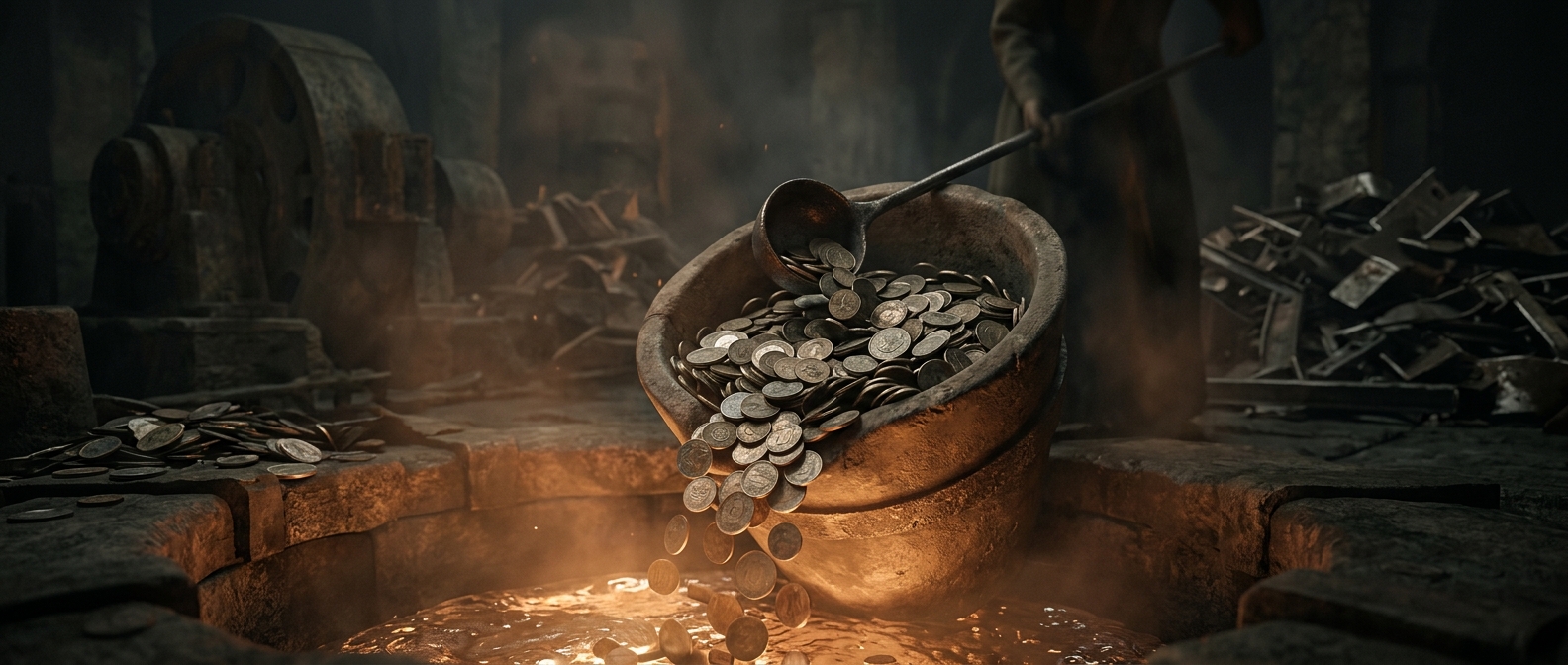
Melting is a separate decision. It may be prohibited or restricted, and even where it is allowed, extracting and selling the metal may not pay after costs. So a gap between metal value and face value can encourage hoarding without making every coin a profitable scrap source.
The Tradeoff for the Issuer
Governments can respond by changing a coin’s composition, size, or design, or by adjusting its face value. Each choice has tradeoffs: cheaper materials may reduce production costs but can require changes to machines that sort, count, and accept coins. The key tension is that money works best when people are willing to spend it, while a coin whose raw material is unusually valuable can tempt them to do the opposite.