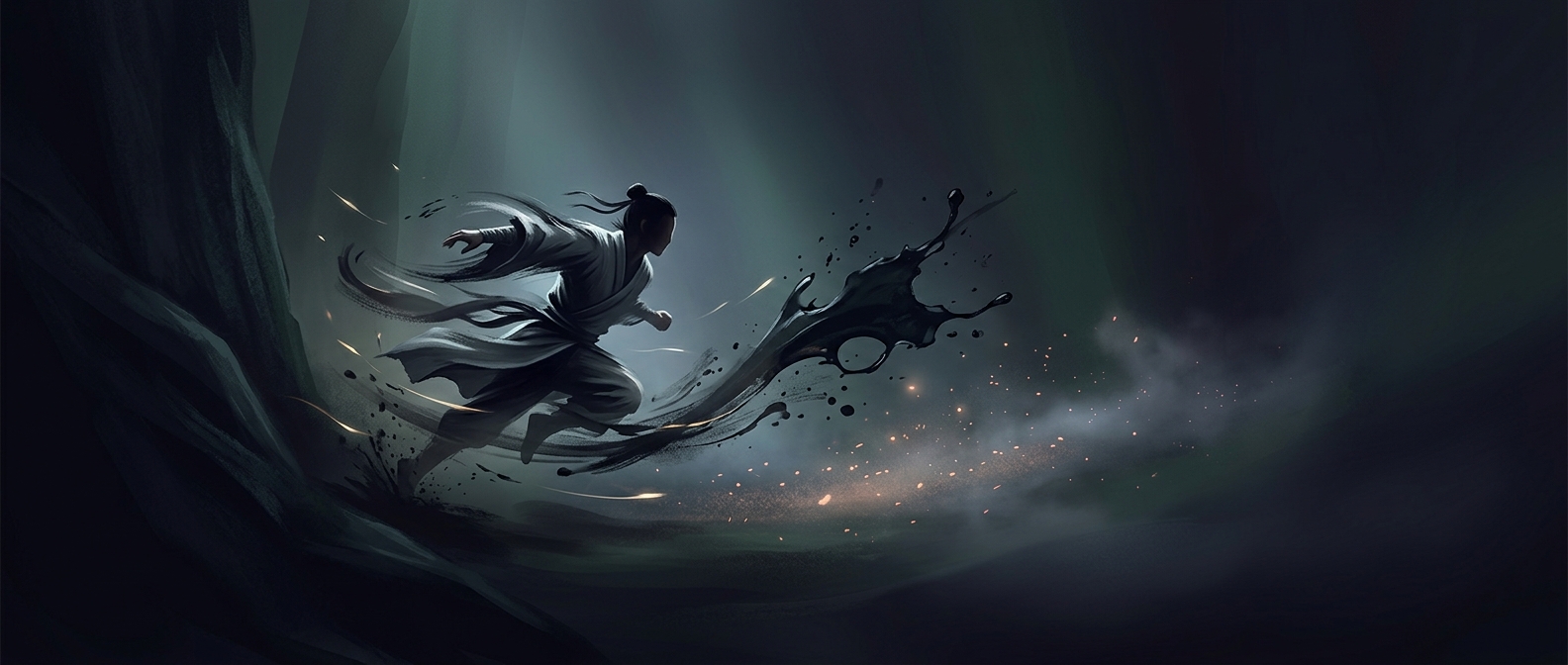
Ziran Is Naturalness, Not Mere Impulse
In Daoist thought, ziran is often translated as “naturalness” or “so-of-itself”: the way something unfolds from its own character rather than being forced into an imposed shape. Applied to action, it means responding to what is actually happening instead of tightly scripting every move in advance.
That does not mean acting on every urge. An impulsive reaction can be just as automatic and self-centered as a rigid plan. Ziran points instead to an unstrained response—one that fits the situation because the person is attentive to it, not because they are trying to make reality obey a preset design.
Why Less Forcing Can Mean Better Action
This idea is closely associated with wu wei, commonly rendered as “non-action” or “effortless action.” The phrase does not require literal inactivity. It describes action that avoids needless struggle: like adjusting your step to uneven ground rather than insisting the path be flat.
A musician, for example, may practice scales deliberately, then play without consciously calculating each finger movement. Preparation has not disappeared; it has become responsive rather than controlling. In the same spirit, ziran values letting action arise from understanding the moment, instead of adding effort simply to prove that one is in command.
The practical implication is subtle: spontaneity is not the absence of skill or attention. It is what can emerge when both are present without being micromanaged.