Why color weakens away from the center
The retina, the light-sensitive layer at the back of the eye, is not evenly equipped across its surface. Cones—the photoreceptors that let us distinguish colors—are packed most densely near the center of the retina and become sparser farther out. Rods, which are especially sensitive to dim light but do not provide color vision, are more prominent in the periphery.
That difference changes how the eye handles a small patch of color. Near the center, many cones can report fine detail and subtle differences between hues. Off to the side, fewer cones cover the same area, so the visual system gets less precise color information.
Seeing something is not the same as identifying its hue
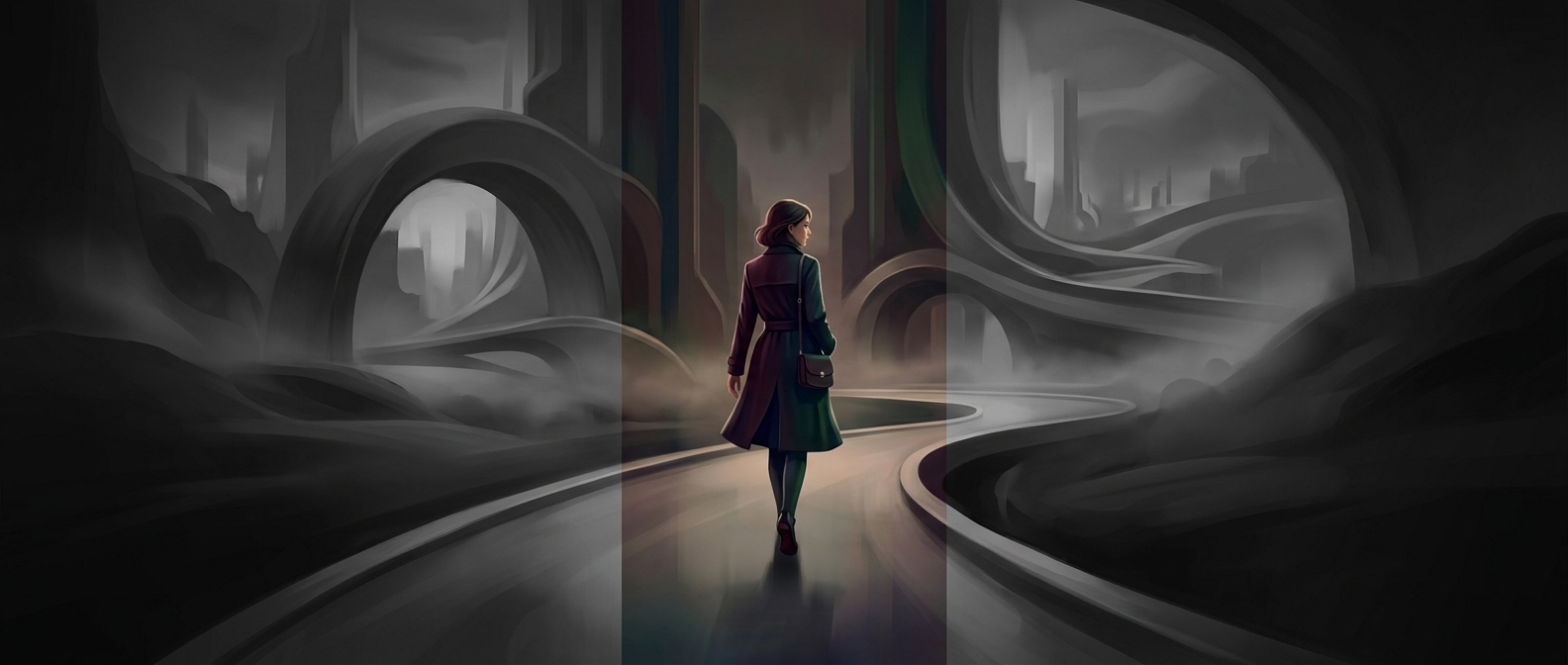
Peripheral vision remains useful for detecting movement, brightness, and broad shapes. Those signals can make an object noticeable even when its exact color is difficult to judge. The brain also pools information from a wider area of the retina in peripheral vision; that helps detect a signal but sacrifices detail, including fine distinctions in color.
So a vivid object moving toward the edge of your view may still stand out against its background while seeming less saturated or harder to name. The visual system preserves a useful warning signal before it preserves a precise color label.