How Dungeons & Dragons became a tool for autism support
Therapists use Dungeons & Dragons to support autistic people, often by practicing social communication in a structured, shared activity. The aim is not to “cure” autism. It is to give participants a welcoming place to build skills and explore situations that can be difficult in everyday life.
The adventure creates a reason to interact
In a game, players describe what their characters want to do, listen to others’ ideas, negotiate plans, and respond when the story changes. A therapist or trained game leader can guide the session, making those interactions easier to notice and discuss. Because the group is working together toward an imaginary goal, conversation has a clear purpose; players do not have to invent small talk from scratch.
The fantasy setting also creates some distance from real-life pressure. A player might practice speaking up, handling disagreement, or coping with an unexpected setback through a character first. The group can pause, reflect, and try a different approach without the consequences of a real-world conflict.
The game is a framework, not a treatment by itself
D&D’s rules give a group a predictable structure, while the unfolding story leaves room for choice and creativity. That combination can make social practice feel more like play than a lesson. A therapist still adapts the experience to the people involved: a session should be accessible, comfortable, and guided toward their goals.
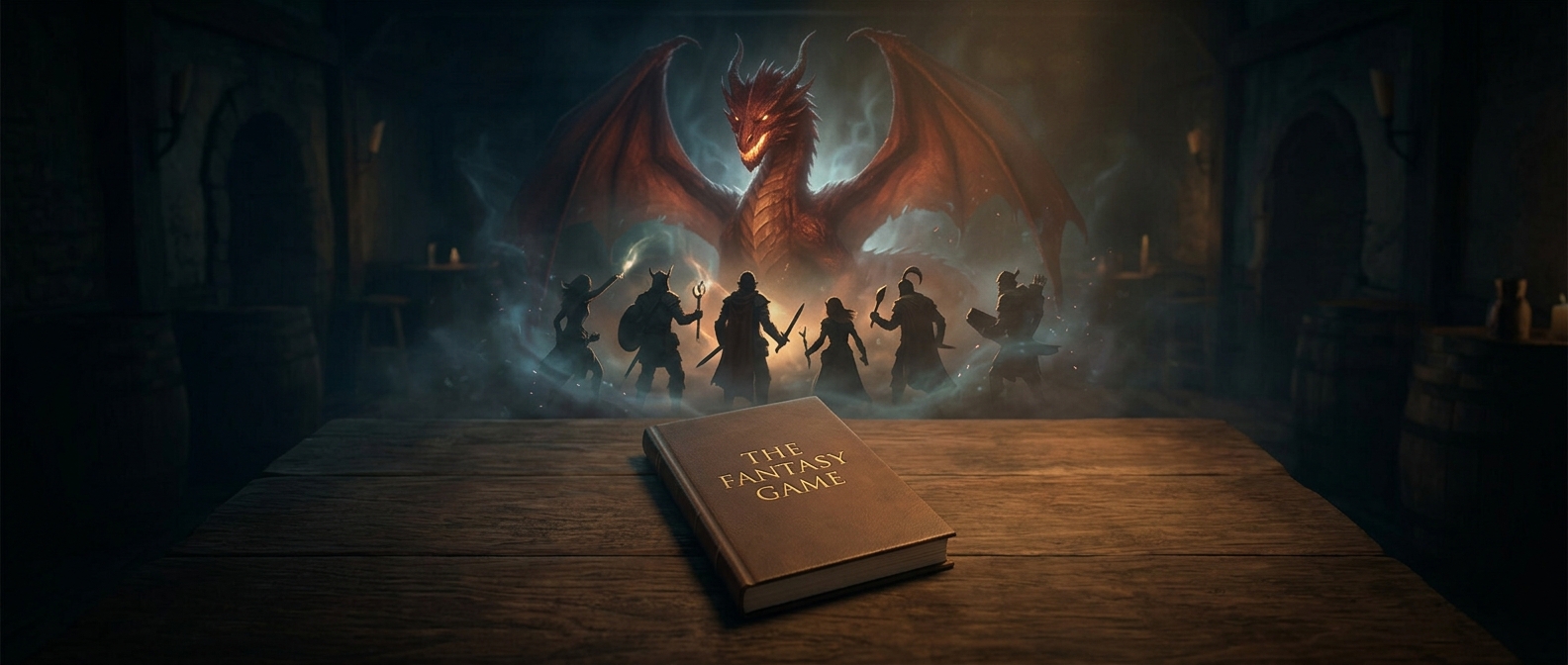
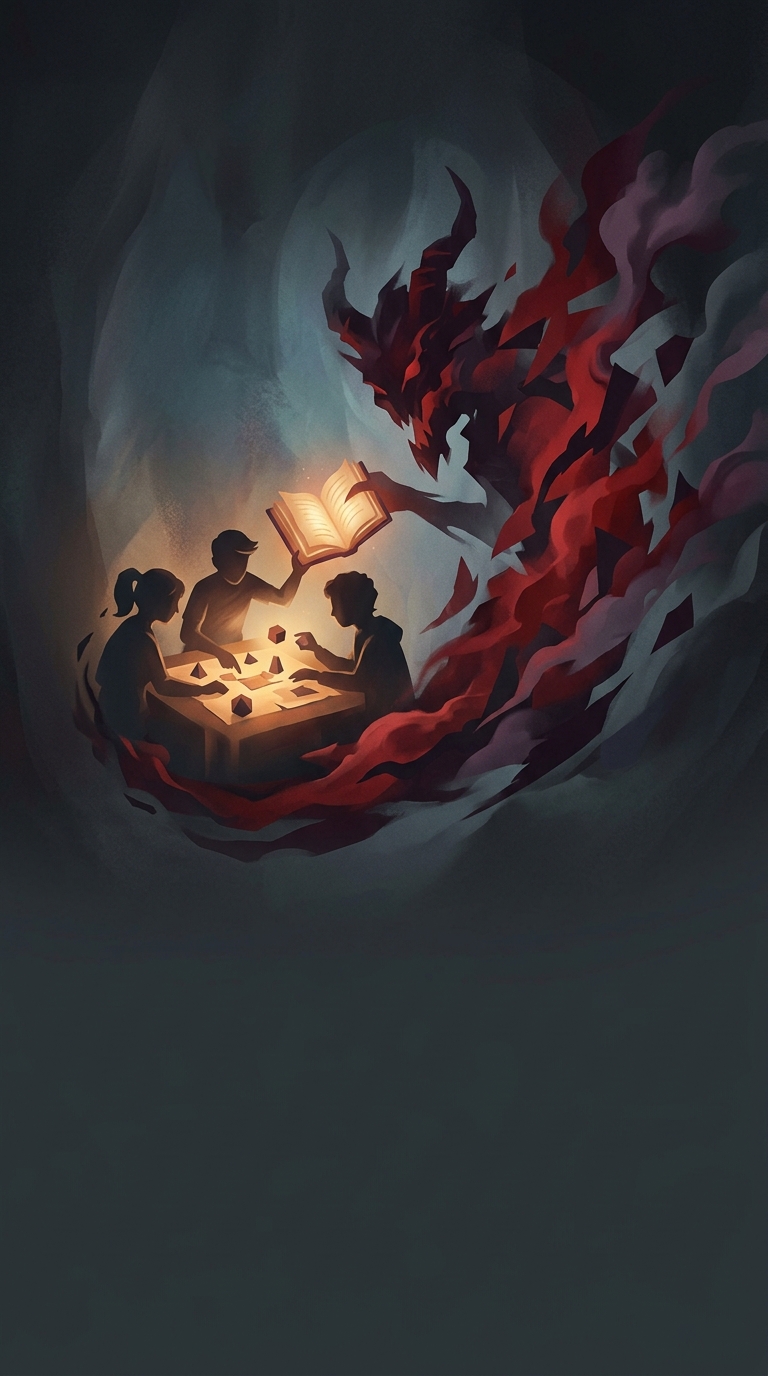
The striking change is not that a role-playing game has replaced therapy, but that its imagined quests can create a low-stakes setting for real interpersonal practice. A dragon may be fictional; taking turns, expressing an idea, and recovering when plans go awry are skills players can carry beyond the table.