Green Makeup, Gray on Film
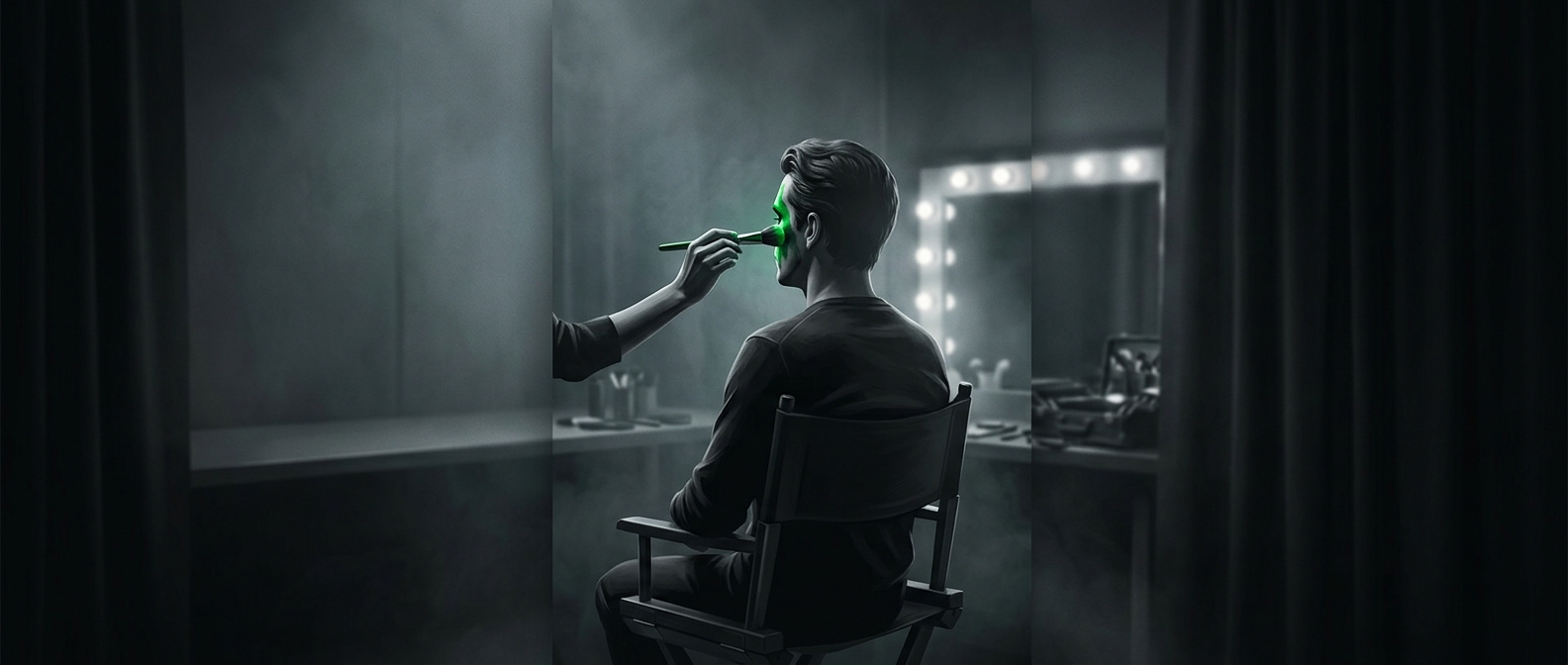
The monster’s familiar green skin began as a practical screen effect, not as a color audiences could see in the original film. In black-and-white cinematography, colored makeup is recorded as shades of gray. The result depends on how the makeup reflects light and how the camera and lighting render it; a greenish tone could therefore read as the pallor of a corpse rather than as vivid green.
That distinction mattered for the creature’s design. The makeup needed to look unnatural and lifeless on screen, where viewers would see only gray tones. Green could help achieve that effect without appearing green to the film audience.
Publicity Supplied the Color
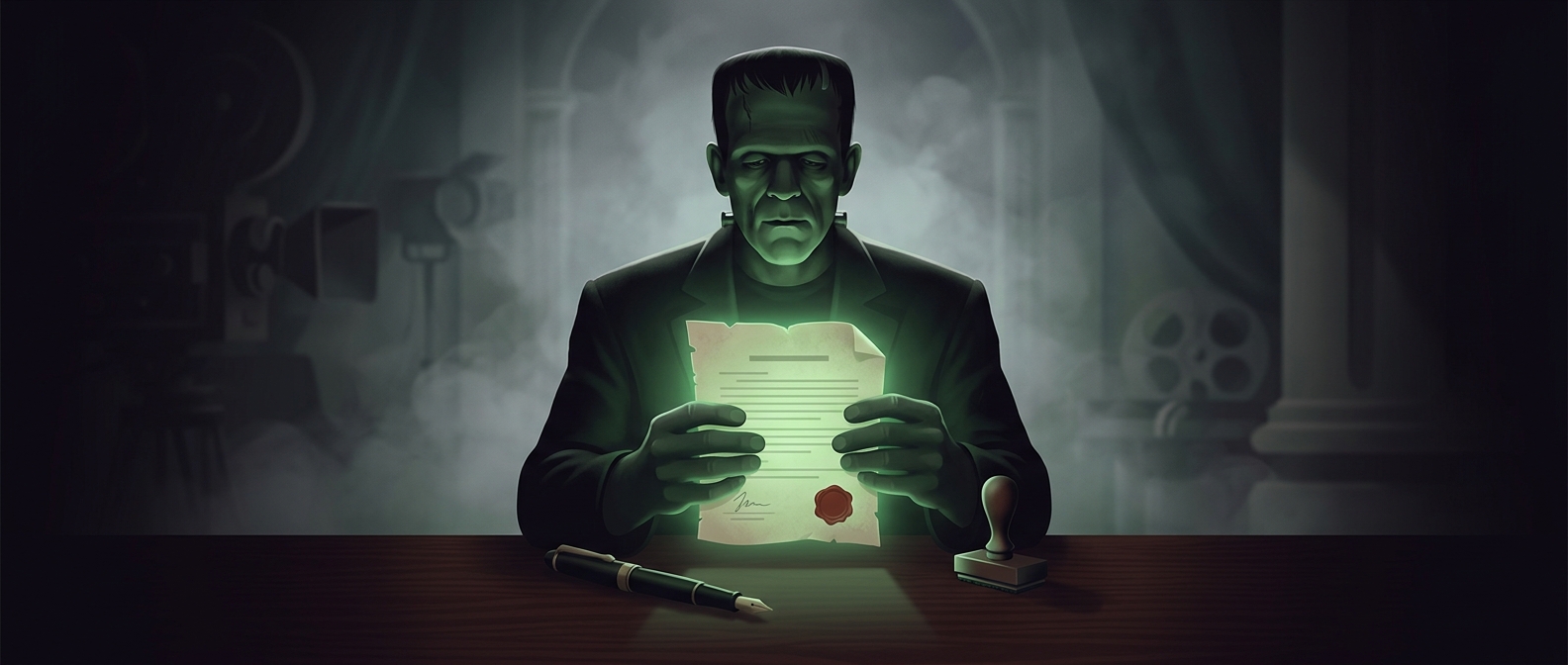
Promotional art had a different job: it could show the monster in color. Artists could use green to make him look unmistakably strange and instantly recognizable, even though the movie itself was monochrome. As that image appeared in publicity and other retellings, the green version became the one people remembered.
The result is a small media paradox: a color that helped create a corpse-like appearance in black and white became the monster’s defining color in the public imagination.