The Boundary You Cannot See
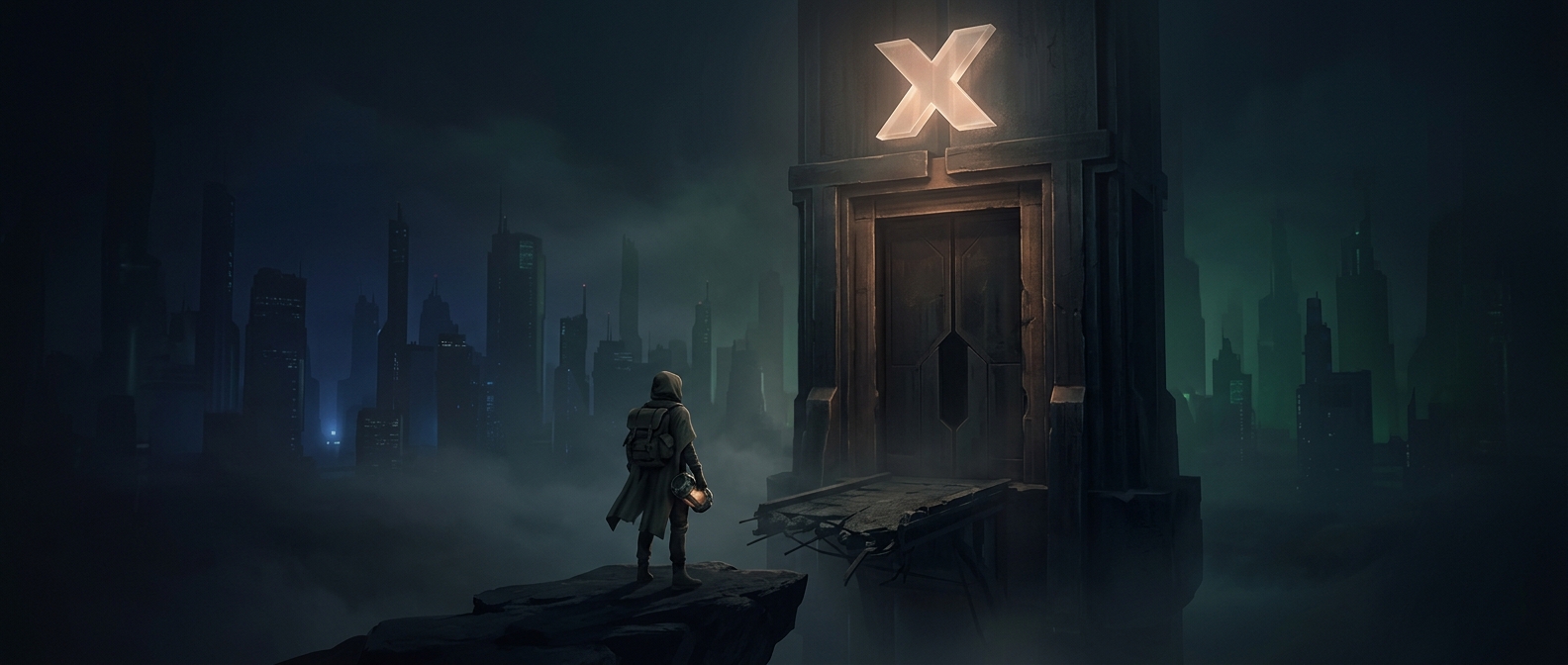
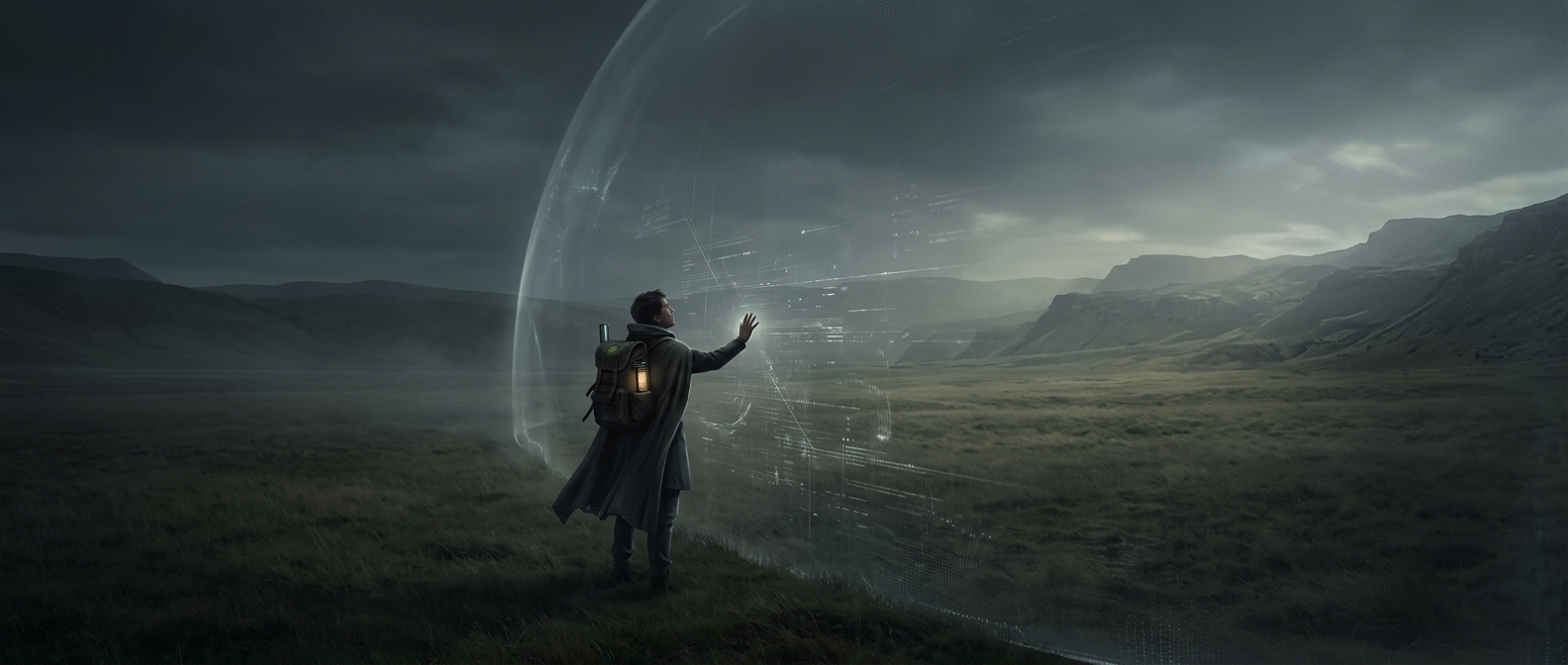
An apparently open field may be bounded by an invisible collision shape: an area the game treats as solid even though it has no visible wall. When a character reaches it, the game can stop movement, redirect the character, or make them slide along the edge. The landscape looks continuous; the rules of movement are not.
Why Leave the Fence Out?
A visible barrier can break the scene’s illusion. An invisible one lets designers use cliffs, distant scenery, or empty space to suggest a larger world while quietly keeping the player on a route the game can support. The limit may also protect the experience: beyond it, the ground might have no collision, enemies may not behave correctly, or the next area may not yet be loaded.
Designers can shape these boundaries to feel less abrupt. A field might narrow toward a pass, or an unseen edge might follow a natural-looking ridge. That way, the player encounters resistance where the landscape already suggests a reason to turn back.
When the Illusion Gives Way
Players usually discover the boundary by trying something the scene seems to invite: crossing an empty meadow or walking toward a far-off landmark. If the invisible edge is too close or poorly placed, it can feel like a mistake rather than a deliberate limit. The art and collision boundary therefore have to work together: scenery promises freedom, while the underlying geometry quietly decides how much of that freedom the game can deliver.