The last few inches before the doors close
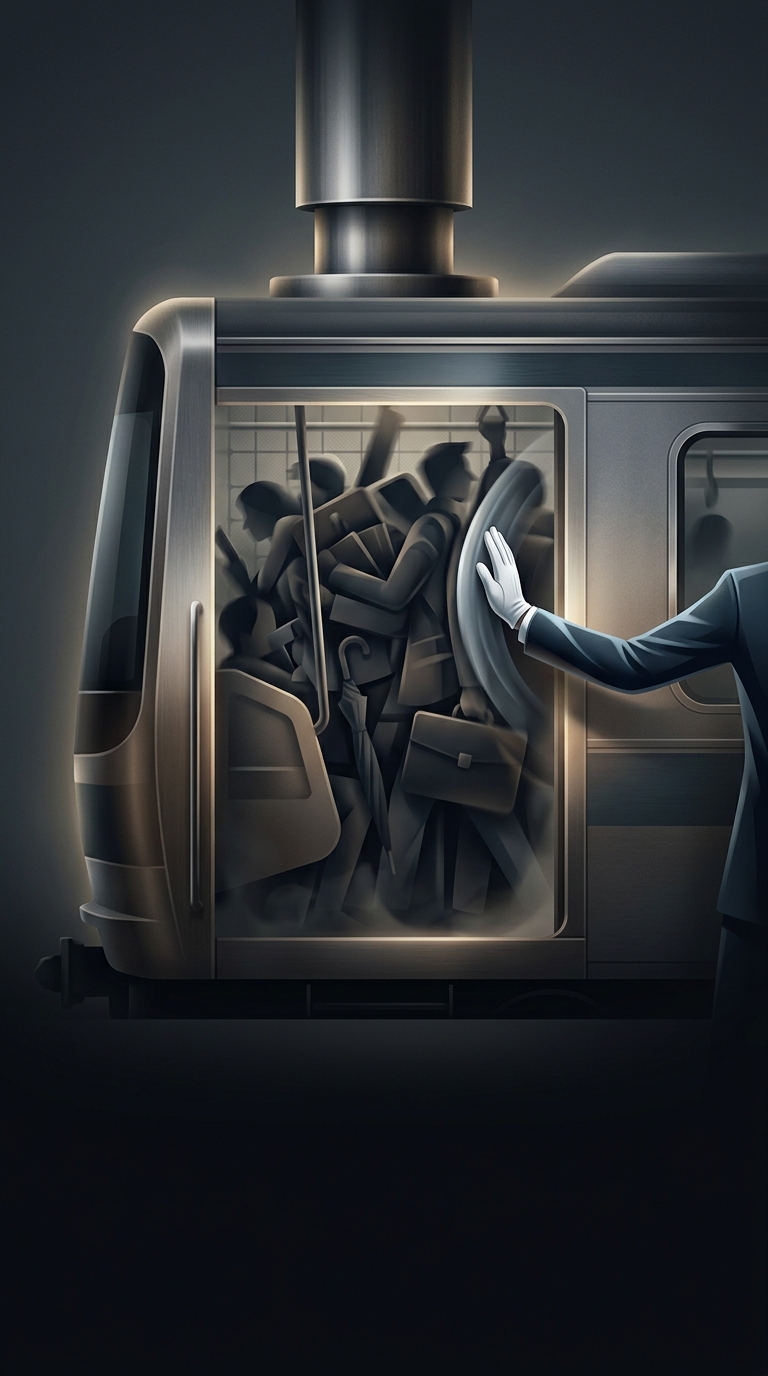
An oshiya’s task is less a matter of brute force than of managing the boundary between a crowded platform and a train that must depart safely. At the busiest times, passengers can bunch at the doors faster than they can move into the carriage. Attendants help guide people farther inside, making room for the next boarding passengers and keeping bags, clothing, and limbs clear of the closing doors.
That distinction matters: a train cannot leave while its doors are obstructed. If a door fails to close, staff may need to check the entrance and try again, delaying that departure and potentially disrupting trains behind it. The attendant’s shove is therefore aimed at clearing the doorway, not packing the carriage without limit.
Why a person is part of the system
Railways can add trains and use platform markings to organize queues, but neither removes the rush-hour surge. When many people arrive at once, a staff member can respond to the immediate shape of the crowd: guiding someone inward, spotting a trapped strap, or signaling that a doorway is clear. That human judgment complements door equipment, which can detect an obstruction but cannot decide how passengers should rearrange themselves.
The white gloves make the work practical as well as conspicuous: they help attendants’ hands stand out as they direct movement near the doors. The courteous uniform contrasts with the physical task, but the goal is orderly boarding, not a show of force. The most telling detail is how small the margin can be: one bag left across a threshold can hold up an entire train’s departure.