From a shared notebook to a lasting character
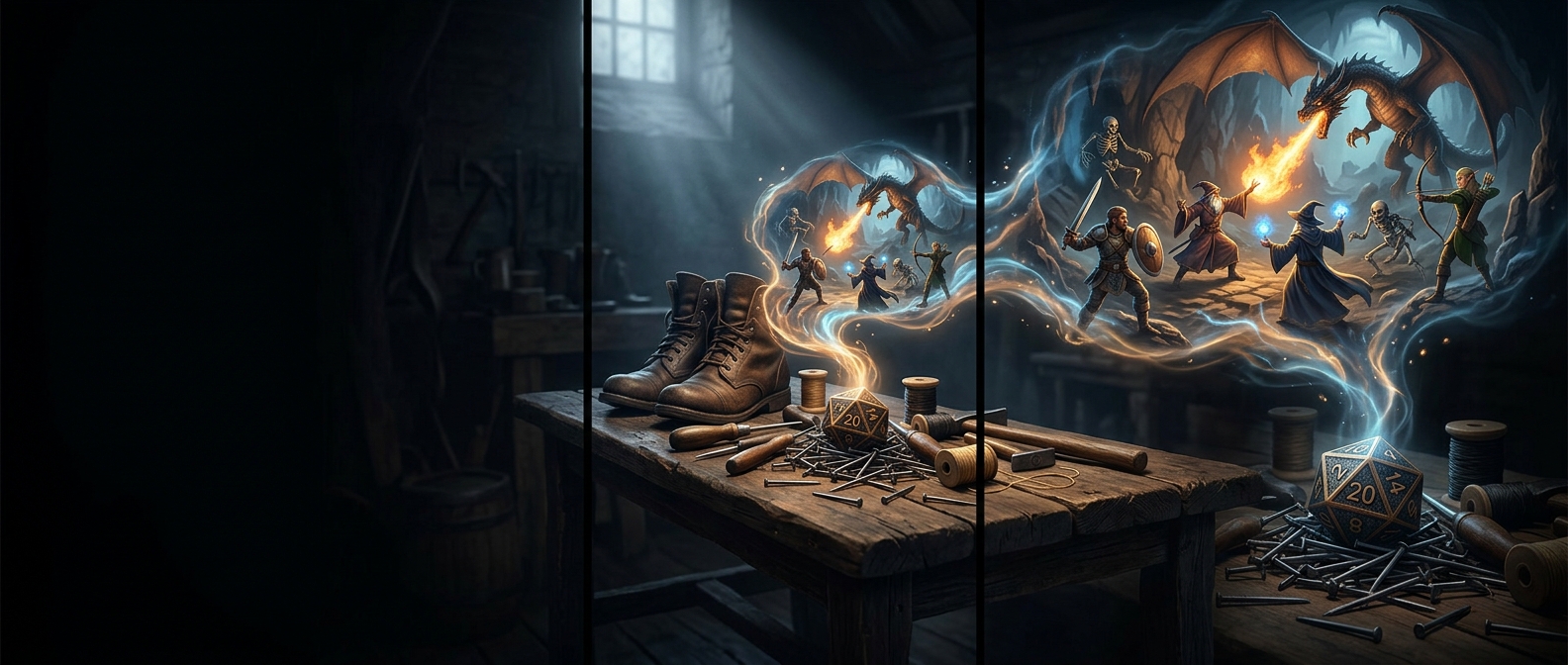
In Dungeons & Dragons, a character’s growth did not reset when one adventure ended. Players kept the same character from session to session, recording experience points—XP—on a character sheet. As the character accumulated enough, they reached a new level and gained abilities that changed what they could do in later adventures.
That persistence gave each challenge two payoffs: the immediate outcome of the story and progress toward a stronger character. Early D&D rules often tied XP to treasure recovered as well as foes defeated; the exact rewards varied across versions and play styles. The important design move was turning adventure into measurable, lasting growth.
Why the system fit video games
A video game could make that loop visible and automatic. Defeating an enemy or completing a task awards XP; a bar or number tracks the total; crossing a threshold triggers a level-up. The game then grants a benefit—perhaps more health, a new skill, or access to stronger abilities—so progress changes both the character and the player’s options.
This structure also helps organize a long game. Designers can pace rewards, offer smaller gains along the way, and give players a reason to take on challenges beyond the immediate objective. Players, meanwhile, can see that even a modest encounter contributes to a larger goal.
The enduring idea is that a character carries the history of play forward. A defeated foe is no longer only an obstacle cleared; it can be one step toward a new capability, making the next encounter feel different because of what happened before.