An e-book can be durable while its license is not
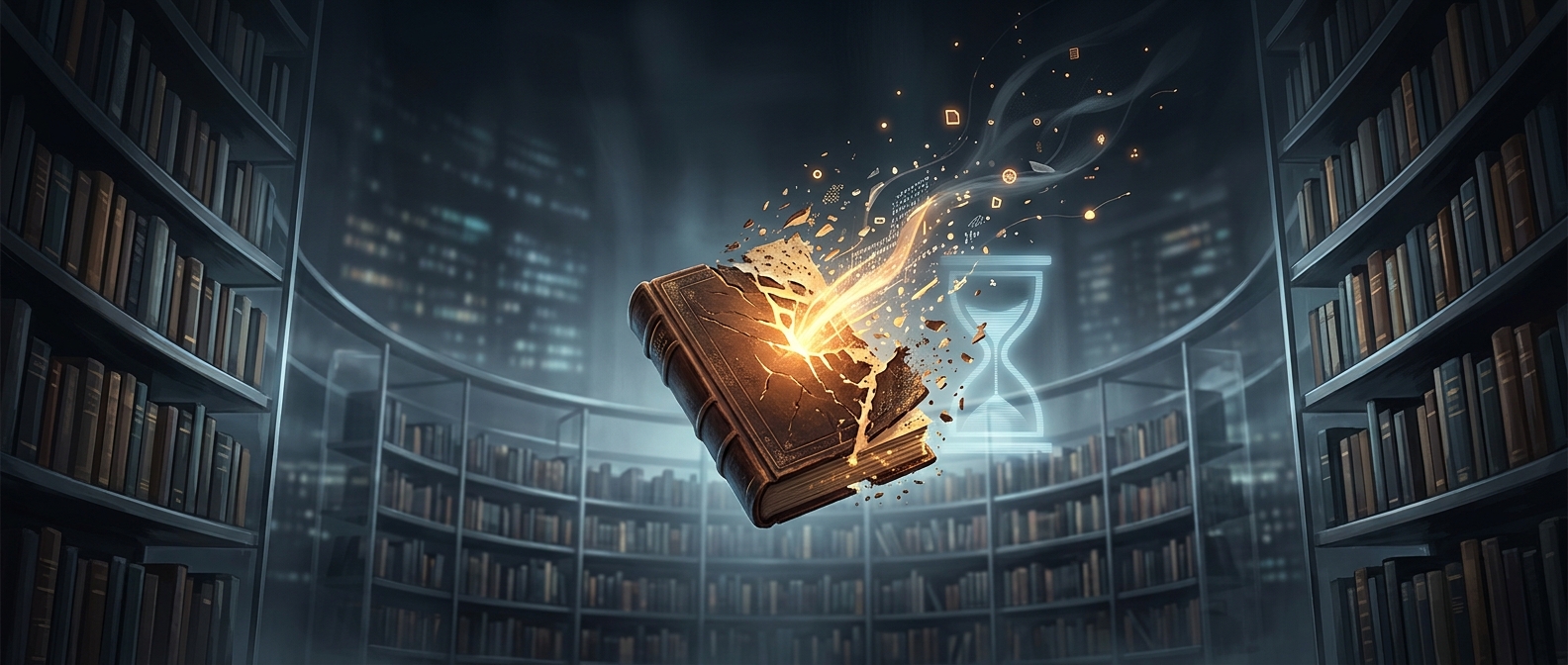
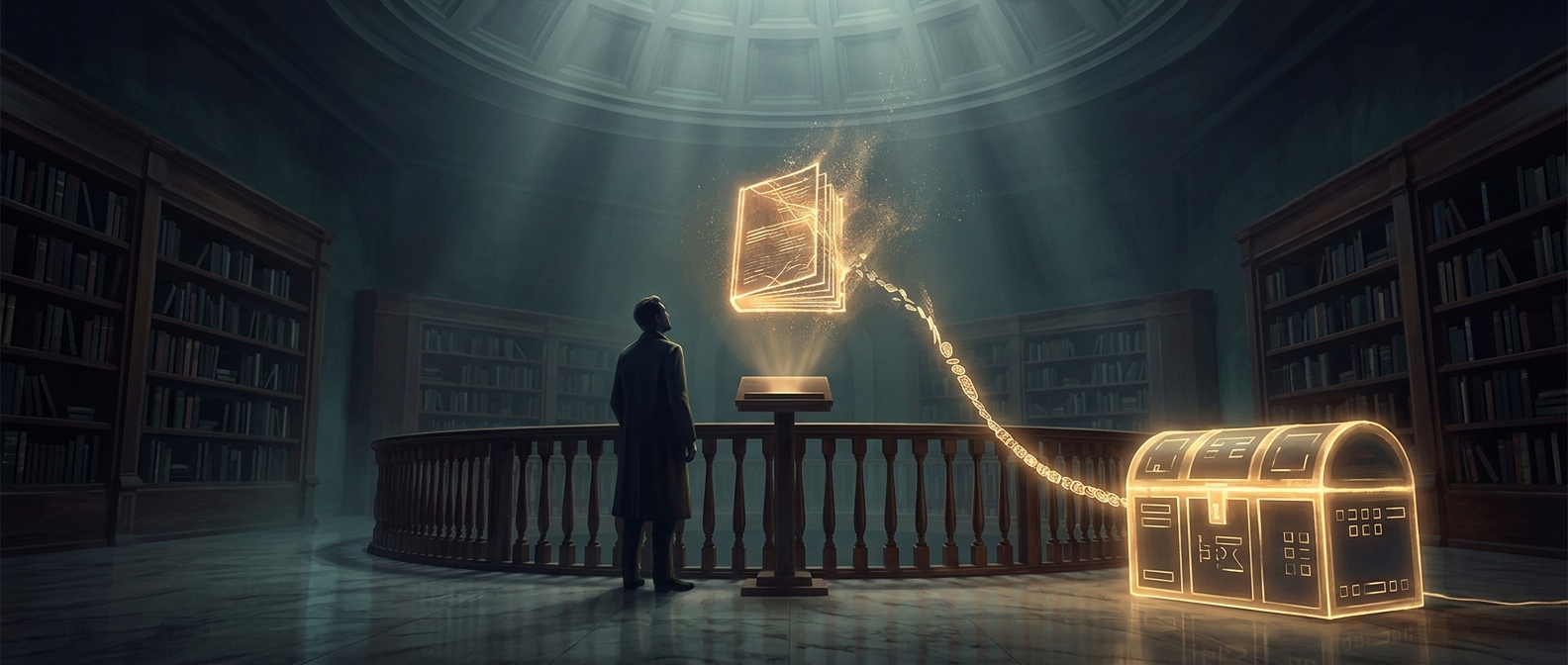
A library’s copy of an e-book is usually not ownership of a file in the same sense as a printed book. It is permission to lend a digital title under terms set by the publisher or distributor. In a model that ends after 26 checkouts, the license counts loans; once the limit is reached, the library must obtain another one to keep offering the title.
The checkout counter is enforced by the lending system, not by damage to the text. Digital rights management—software that controls how a file can be used—can make a loan expire on a reader’s device and prevent another borrower from opening the title when the library’s permission runs out.
Why sell access this way?
A print book can be lent repeatedly, though it eventually gets damaged and replaced. An e-book file can be copied without that physical wear, so unlimited lending could let one library purchase serve many readers indefinitely. Publishers use limited-use or time-limited licenses to set a boundary on that circulation and create repeat sales. Libraries, in turn, accept such terms because digital editions can reach patrons instantly and be borrowed remotely.
Not every e-book follows the 26-checkout model. Some licenses expire after a set period, while others allow ongoing access or use a different limit. The terms determine whether a library’s next step is to renew access, buy another license, or remove the title from its digital shelves.
The cost appears when demand is highest
A popular title may need several licenses so borrowers do not face a long queue; each license is a separate cost, even though all point to the same text. When a license runs out, the library has to weigh buying access again against spending that money on other books. That is why a digital collection can look abundant on a screen yet still have waitlists—and why the “copy” a library buys is often better understood as a metered right to lend.