The liver has to replace what the gut removes
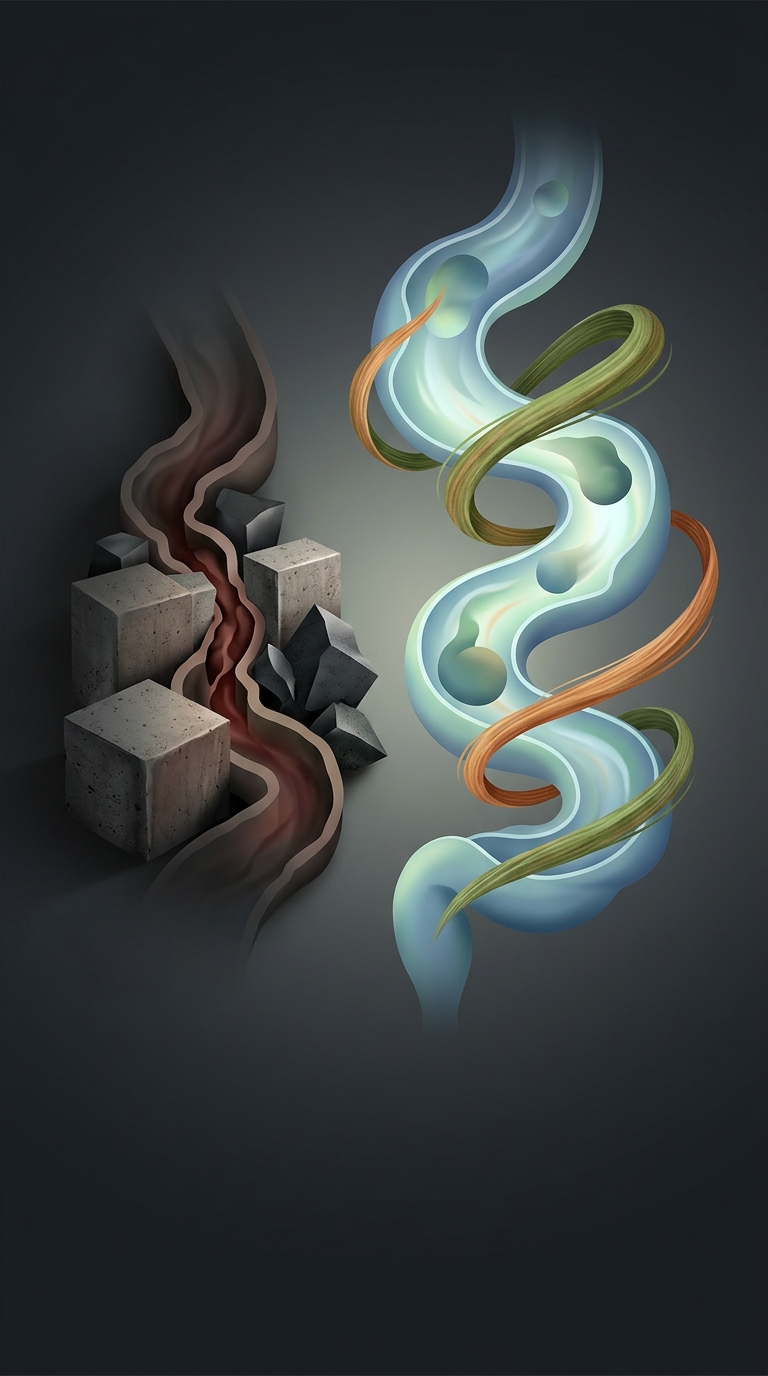
Bile is a digestive fluid made by the liver and stored in the gallbladder. Its bile acids help break large drops of dietary fat into smaller ones the gut can handle. After doing that job, most bile acids are reabsorbed in the intestine and sent back to the liver for reuse—a recycling loop that conserves the body’s supply.
Soluble fiber changes that loop. In water, it forms a thick, gel-like material that can bind some bile acids in the intestine. Those bound acids leave the body in stool instead of returning to the liver.
Replenishment draws on cholesterol in the blood
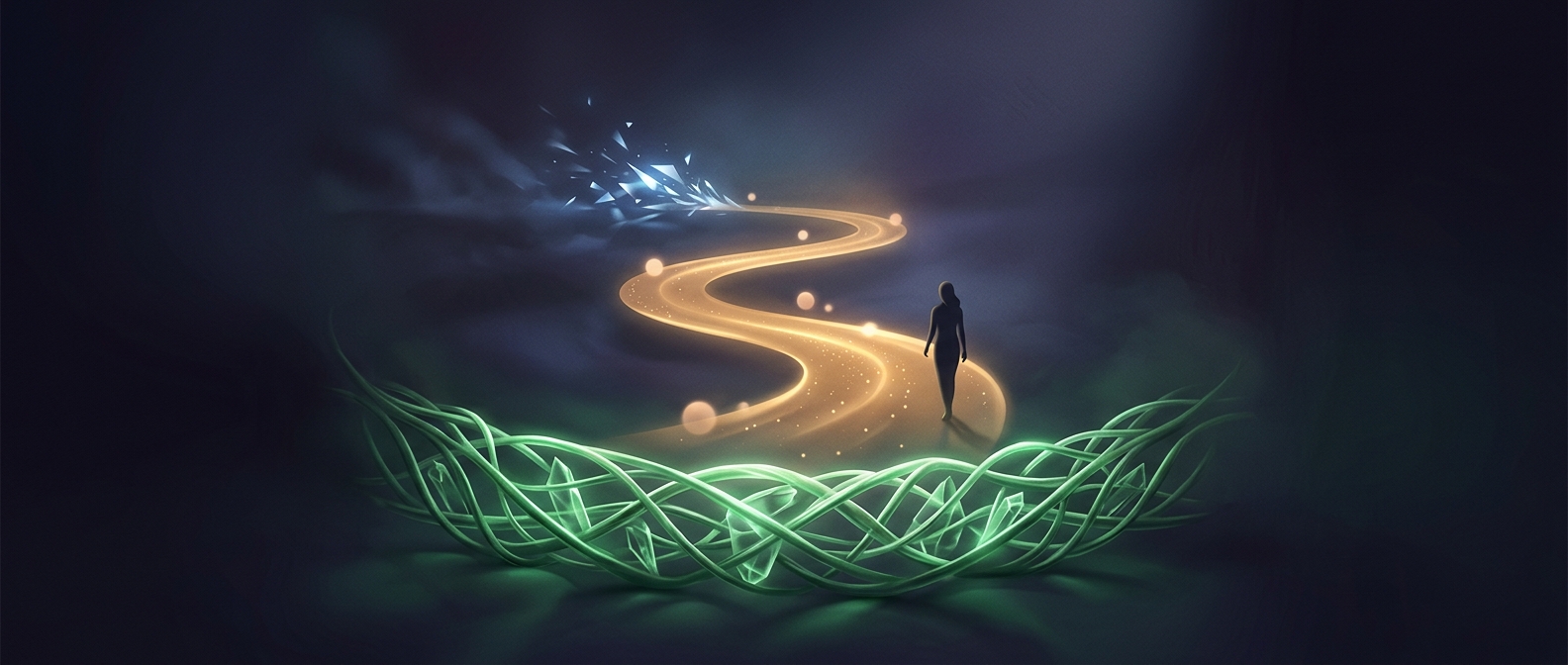
To replace the bile acids that were lost, the liver uses cholesterol. As its own cholesterol stores fall, the liver can also take more LDL cholesterol—the particle that carries cholesterol through the blood—out of circulation. That is the link between losing bile acids in the gut and a lower LDL level in the bloodstream.
The effect depends on how much soluble fiber a person eats and is generally one part of a broader dietary pattern, not an instant cleanse. Oats, beans, lentils, and some fruits supply soluble fiber; psyllium is another concentrated source. The striking part is that fiber need not absorb cholesterol directly: it can lower blood cholesterol by interrupting the body’s bile-acid recycling system.