How a magnetic field turns plasma into exhaust
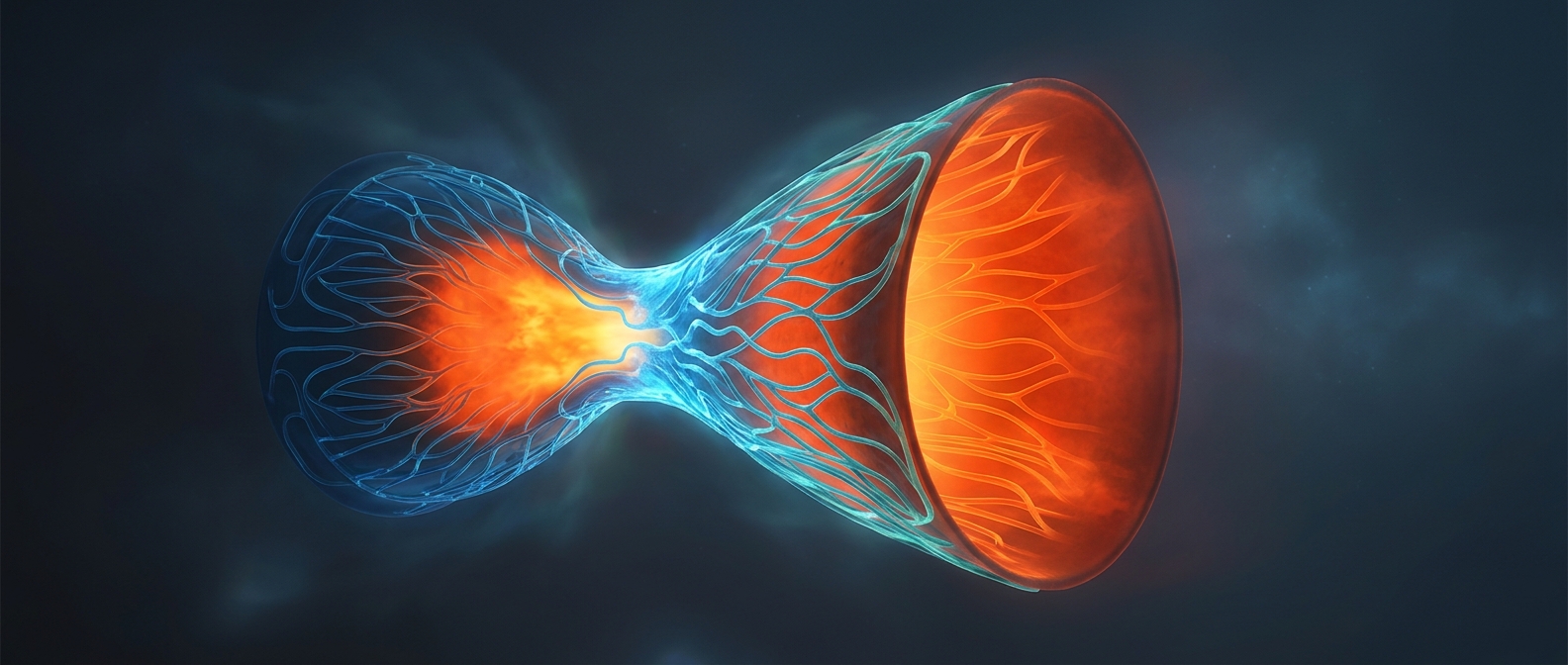
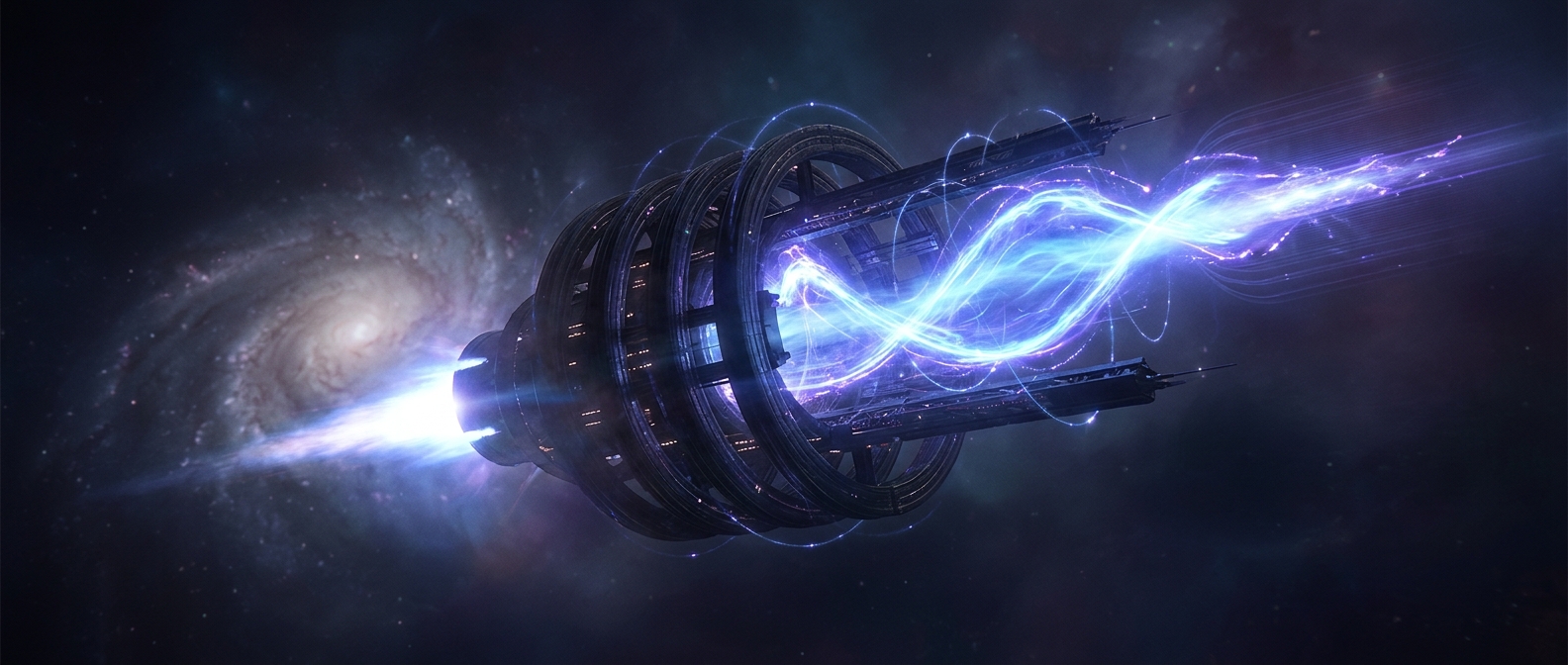
Inside a Lorentz-force thruster, a power supply drives an electric current through plasma—gas whose atoms have been stripped of some electrons, leaving charged particles free to move. The current interacts with a magnetic field. That interaction creates a force on the plasma, pushing it toward the exhaust opening and out of the spacecraft.
The expelled plasma carries momentum away. By conservation of momentum, the spacecraft gains momentum in the opposite direction. The magnetic field shapes and accelerates the exhaust, but it does not provide a free push: the thruster needs electrical power to establish the current and keep the process going.
Why a gentle push can matter in space
The force from an individual thruster is modest compared with the burst from a chemical rocket. But plasma can be expelled at very high speed, so a spacecraft can get substantial change in velocity from a relatively small amount of propellant. Running the engine for a long time lets that small thrust accumulate.
That tradeoff suits missions that can accelerate gradually and have a source of electrical power. It does not suit a launch from Earth, where a rocket must deliver enormous force quickly to lift off against gravity. A Lorentz-force engine is better understood as a way to keep building speed once a spacecraft is already in space—not as a substitute for a launch rocket.