Lighting a scene without the actor
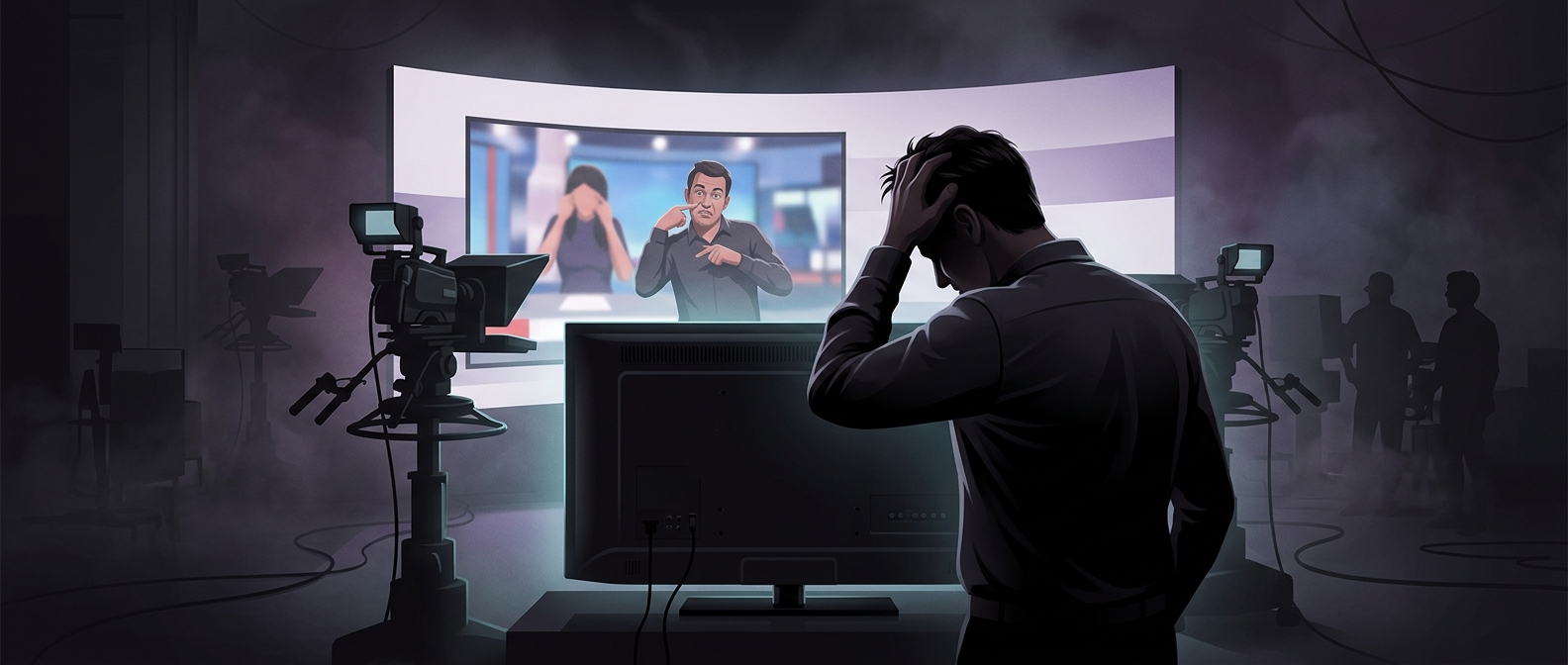
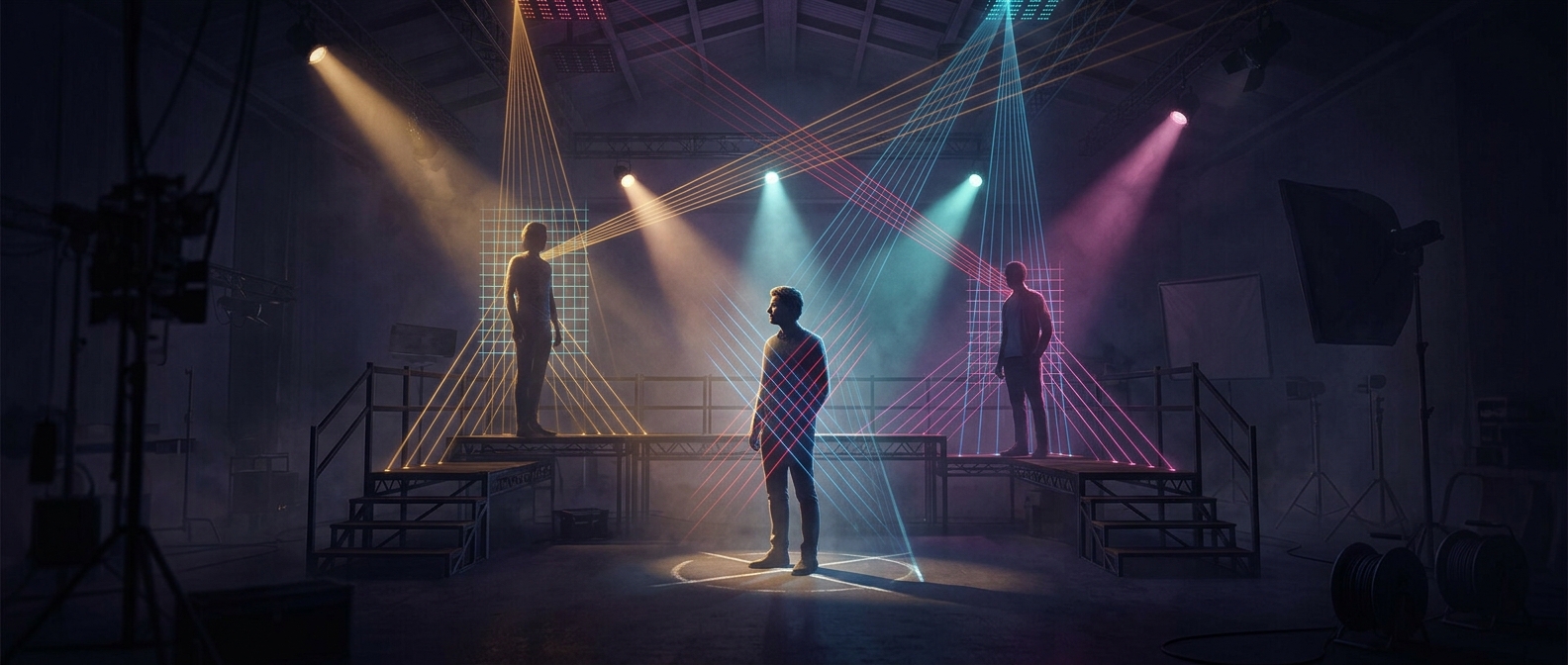
Before a camera rolls, a crew may need to adjust lights, move equipment, and test how a shot will look. Those changes can take time, and the lead actor may be needed elsewhere—or simply need a break. A stand-in gives the crew a person to place where the actor will eventually perform, so this preparation can happen without tying up the star.
Why a close match matters
The stand-in is chosen to be roughly the actor’s height and complexion because both affect the image. Height helps the camera team set the lens, camera position, and framing around a body at the right level. Complexion matters because light reflects differently from different skin tones; a setup that looks balanced on one person may leave another too bright, too dark, or unevenly lit.
The stand-in does not need to look like the actor to an audience. Their job is to give the cinematographer and lighting crew a useful preview of how light and shadow fall in the actor’s place. When the actor arrives, the crew can make small final adjustments rather than build the shot from scratch.
A practical tradeoff on set
This division of labor keeps the production moving: the crew can refine the image while the actor prepares for a scene or works on another part of the schedule. The result is not a perfect substitute—costume, movement, and subtle differences in appearance can still affect the final shot—but it lets the crew solve many technical problems before the camera is ready to capture the performance.