Why a Sunset Scene Has Such a Narrow Window
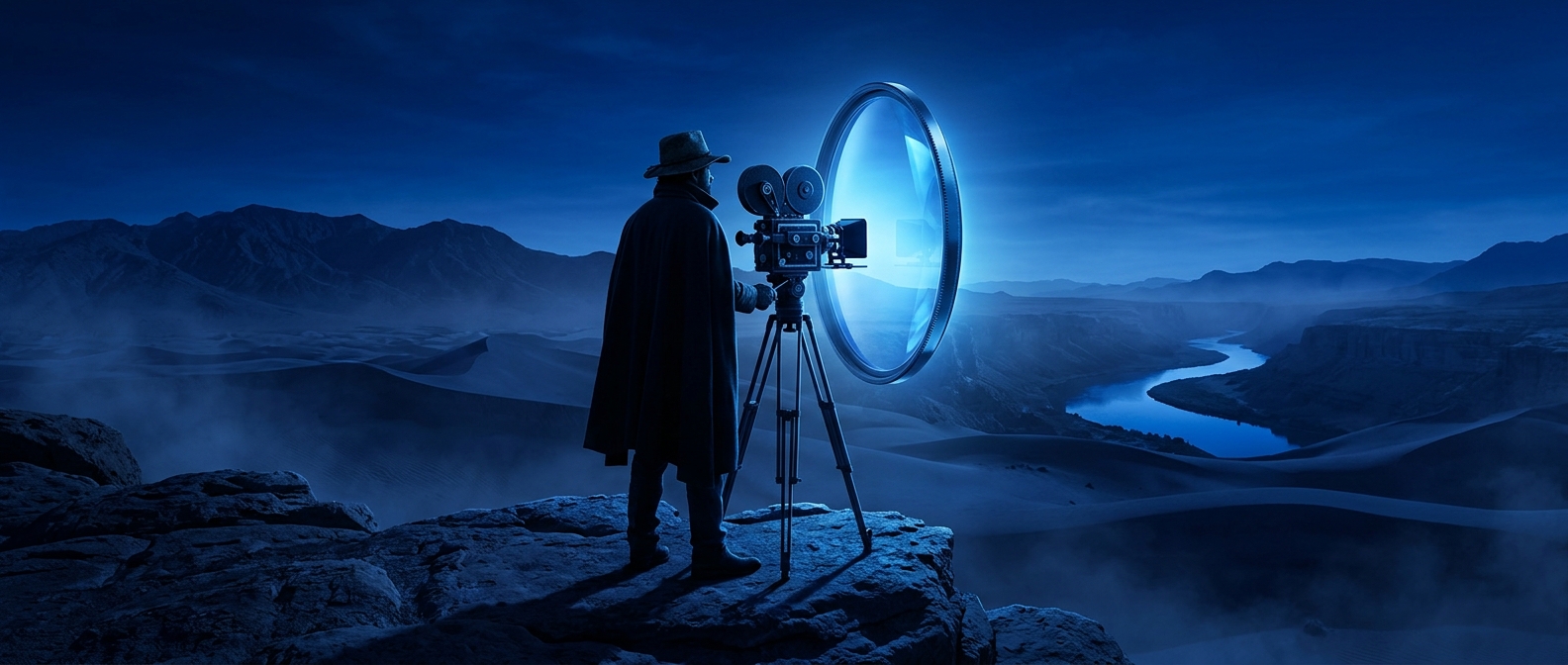
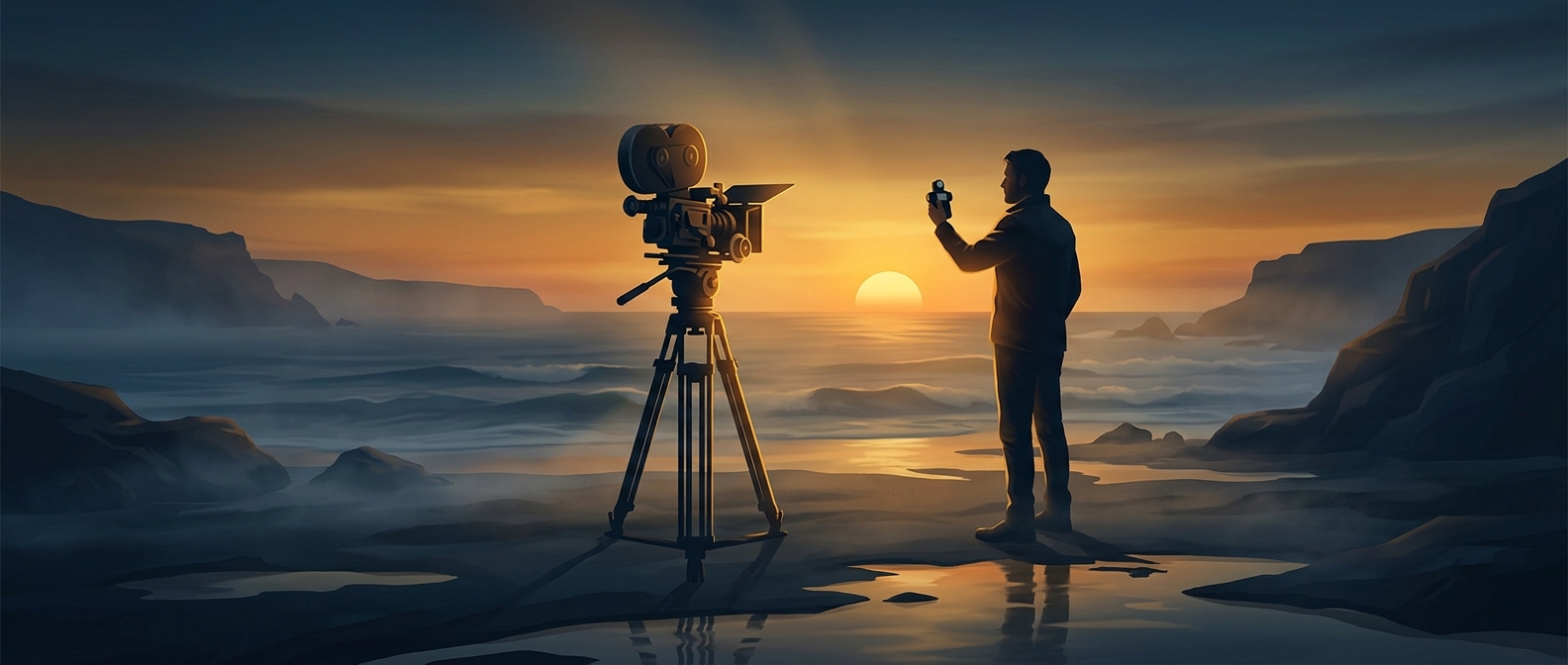
Near sunset, sunlight arrives at a shallow angle and passes through more of the atmosphere before reaching the set. Some blue light is scattered away, leaving the scene with a warmer cast; the low sun also throws long, directional shadows. That combination can make faces, landscapes, and buildings feel especially dimensional without adding artificial light.
But the look is changing while the crew works. As the sun drops, its angle and brightness shift, shadows move, and the color of the scene deepens. A shot filmed a few minutes later may no longer match the one before it—even if the actors and camera have barely moved.
The Setup Happens Before the Light Arrives
To use the brief window, crews prepare the scene in advance: cameras and lenses are ready, actors rehearse their marks, and the director and cinematographer decide which shots matter most. They may film the most light-sensitive angles first, then continue with close-ups or other shots that can be matched more easily after the sun disappears.
Camera settings matter, too. If exposure or color balance changes between takes, the edit can make the same moment look as though it happened at different times. The crew aims for a consistent image while adapting to light that cannot be paused or reset.
Golden hour is therefore less a fixed stretch of perfect light than a moving target. Its warmth and shadows are valuable precisely because they are natural—and the sun keeps carrying them out of reach.