Turning daylight into a night scene
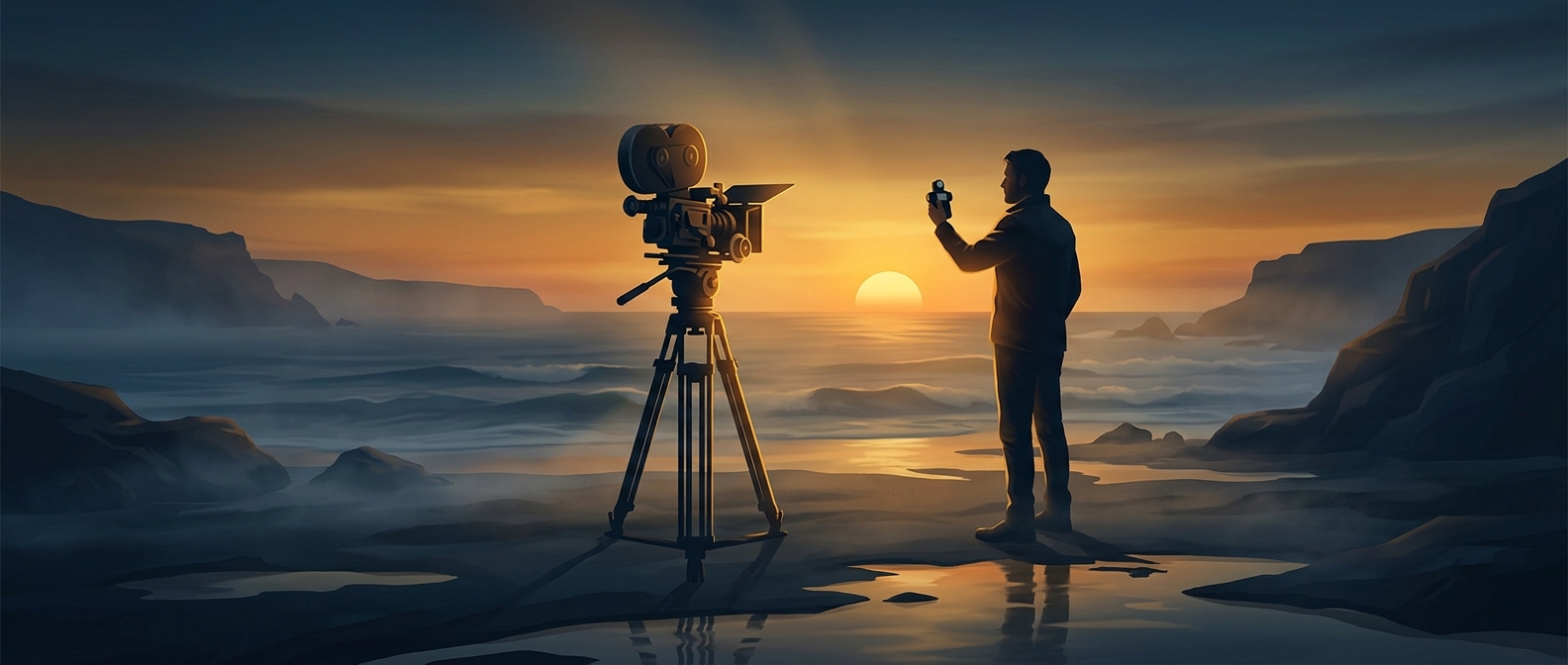
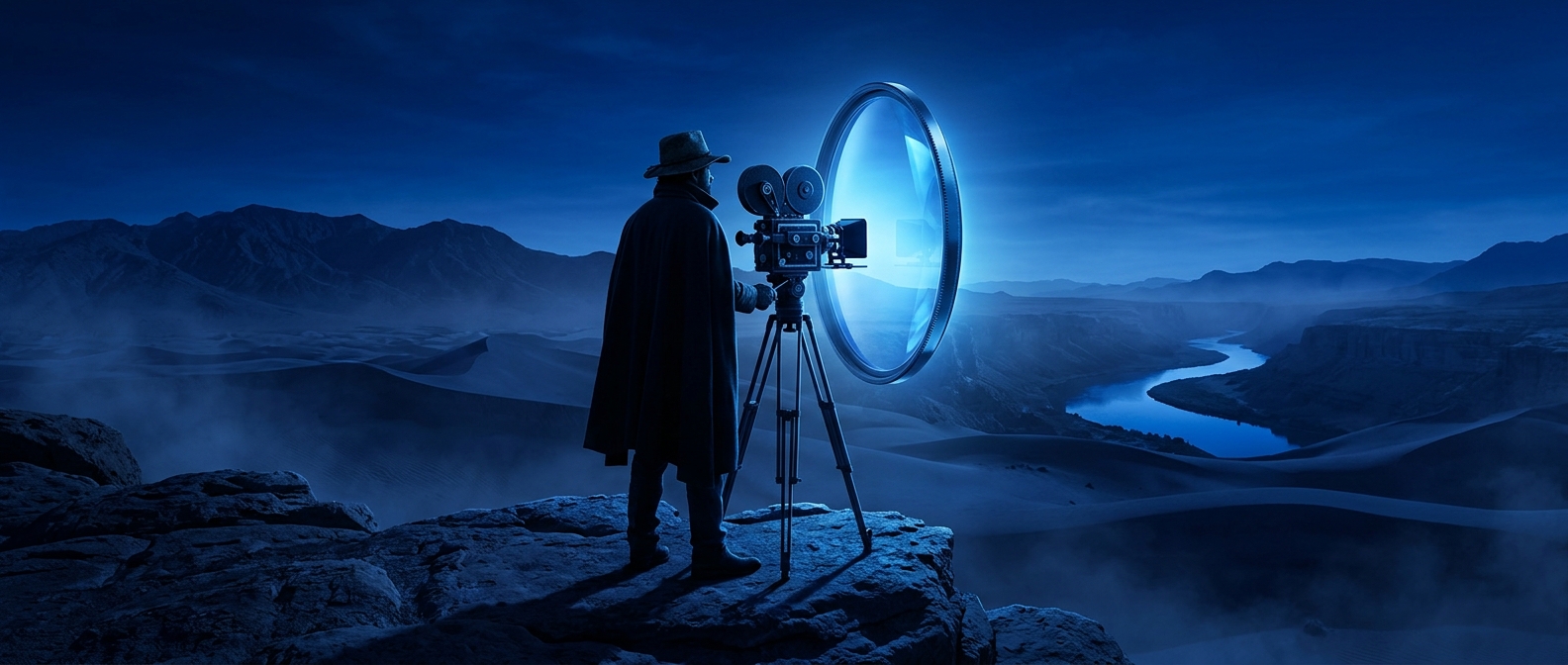
Day-for-night shooting is a practical illusion: a crew films in daylight, then makes the image read as nighttime through exposure, color, and careful framing. A blue filter can cool the sunlight’s naturally warm appearance, helping the scene feel closer to moonlight. But the filter is only one part of the effect; the image also needs to be made darker, often through camera exposure and later color grading.
The trick works because viewers do not judge “night” by brightness alone. Cool colors and deep shadows suggest darkness, while familiar daylight cues can undo the illusion. A bright sky, sunlit faces, or shiny surfaces may still look unmistakably daytime, even after the image has been tinted blue.
Why the shadows can give it away
Sunlight is directional, so it creates distinct shadows. Under a moonlit sky, shadows would generally be much less pronounced. If a scene is darkened and cooled but retains crisp daylight shadows, the lighting tells two different stories: the color says night, while the ground says afternoon.
Crews can reduce that conflict by choosing shaded locations, controlling how much sky appears in the frame, and positioning actors so the sun does not create obvious highlights. The aim is not to remove every sign of the sun, but to keep the remaining clues from competing with the nighttime look.
That is why the effect can feel convincing in one shot and conspicuously artificial in the next. A blue cast can suggest moonlight, but the direction and sharpness of the light still reveal how the scene was filmed.