Why a ferry’s wake reaches the beach
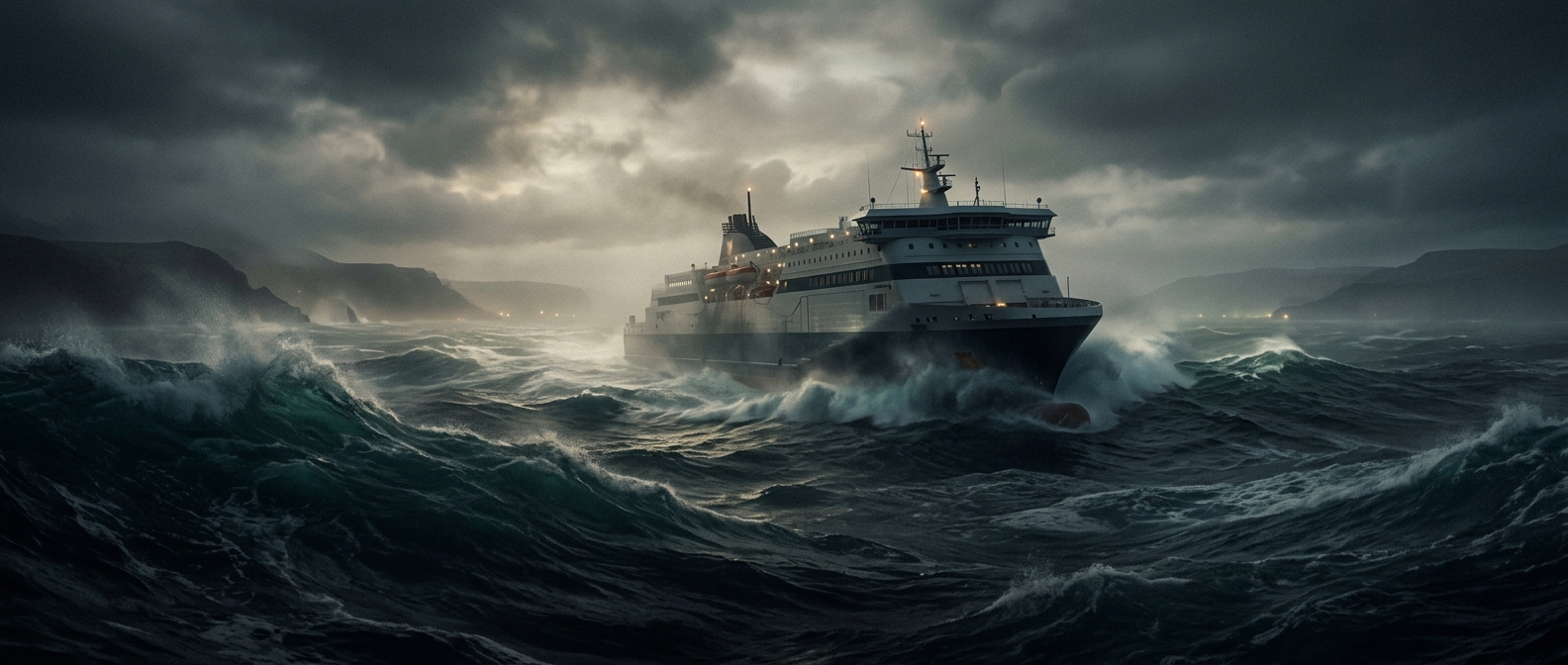
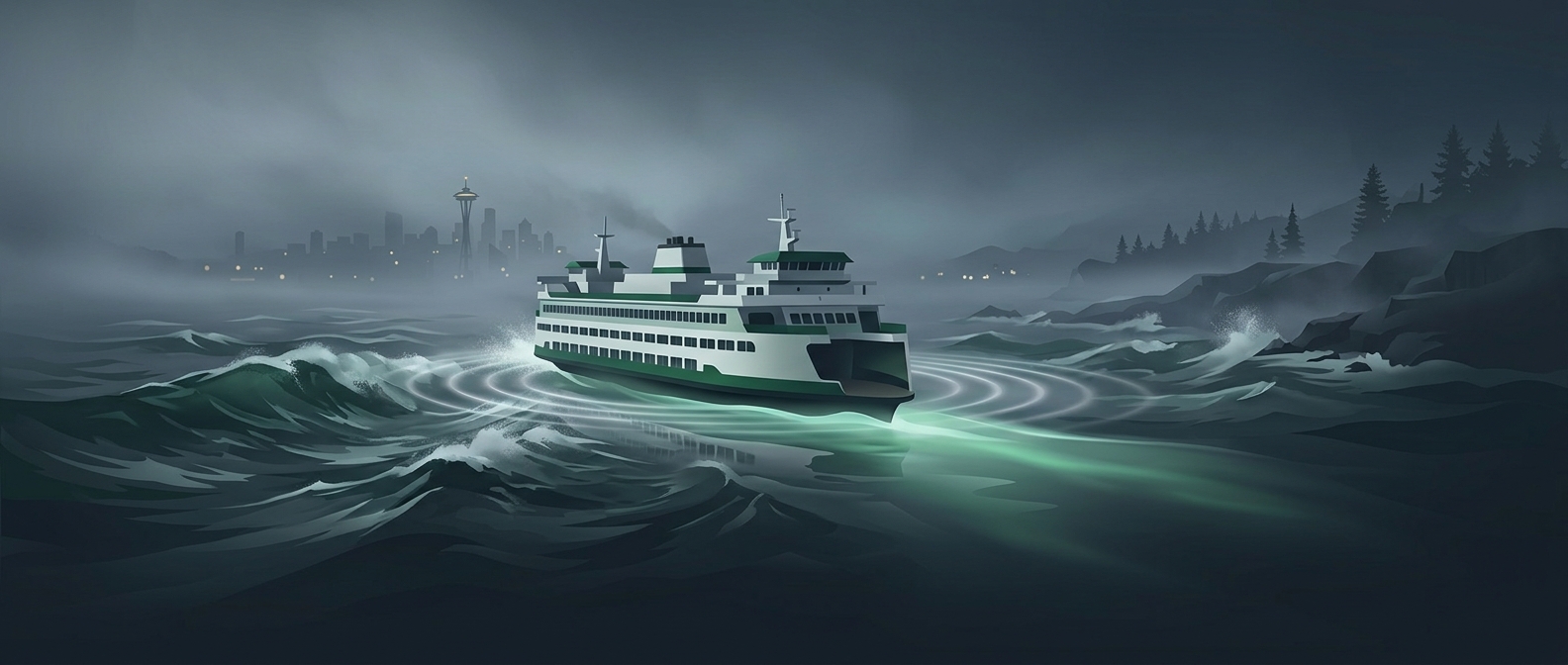
A moving ferry has to make room in the water. Its hull pushes water sideways and downward; that displaced water then travels outward as waves. Near shore, those waves can climb a beach or strike a seawall, carrying enough energy to move sand, loosen banks, and repeatedly stress shoreline structures.
The effect depends on more than the size of the ferry. Speed changes how much wave energy the vessel leaves behind. As a ferry moves faster, it generally creates larger, more energetic waves. The shoreline may feel those waves well after the vessel has passed, because the wake keeps traveling across the water.
Reducing the shove
Slowing down near sensitive shorelines can reduce the wake a ferry produces. It is a practical operational change, but it has a cost: slower crossings take longer, and schedules must still work around docks, traffic, and other vessels.
Hull shape offers another tool. A hull designed to make a smaller wake moves through the water in a way that produces less disruptive wave-making under its intended operating conditions. It does not eliminate the water displaced by a large vessel; it changes how that displacement becomes waves. The best results come from matching vessel design and operating speed to the route rather than relying on either one alone.
A shoreline consequence
On Seattle-area routes, these choices matter because ferry traffic passes close enough to shore for wakes to reach beaches and seawalls. Reducing wake energy can mean less repeated battering at the water’s edge—and fewer waves arriving where people are trying to enjoy the shoreline.