A Convenient Excuse, With a Visible Contradiction
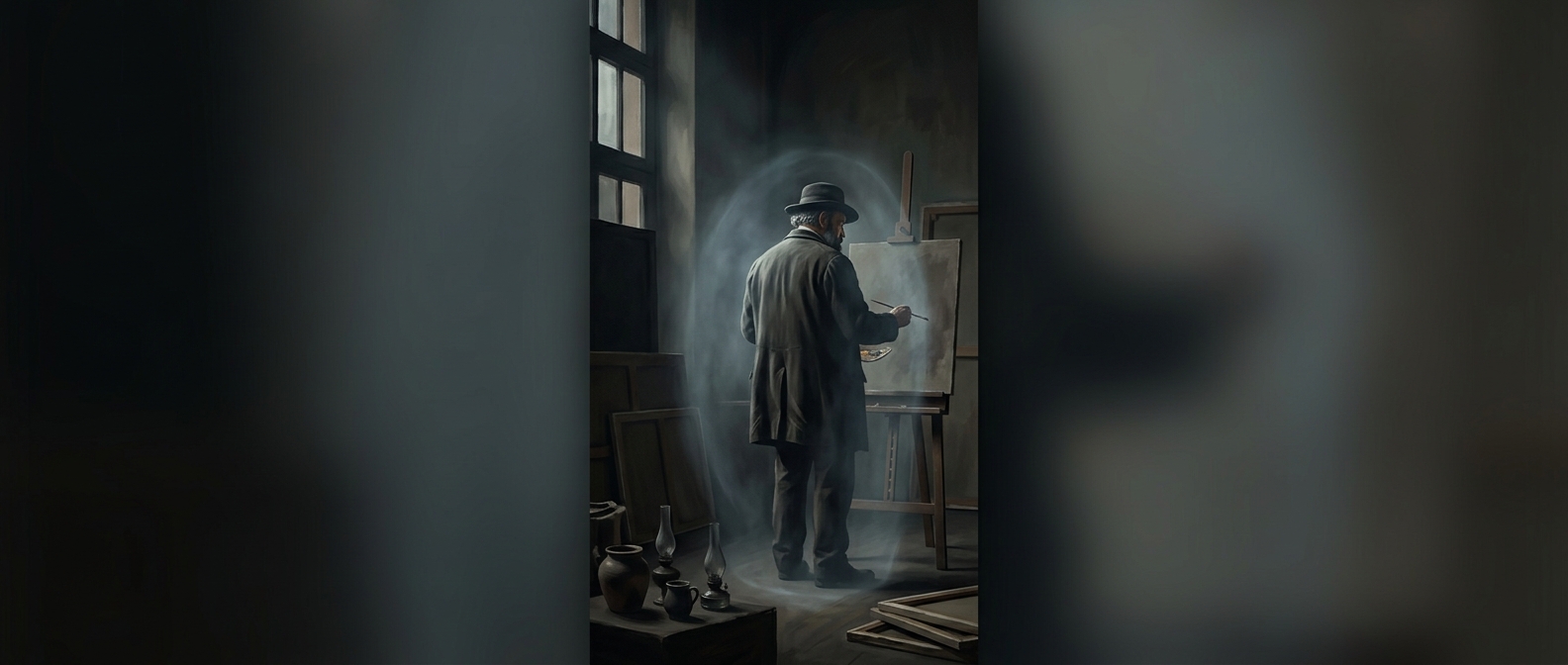
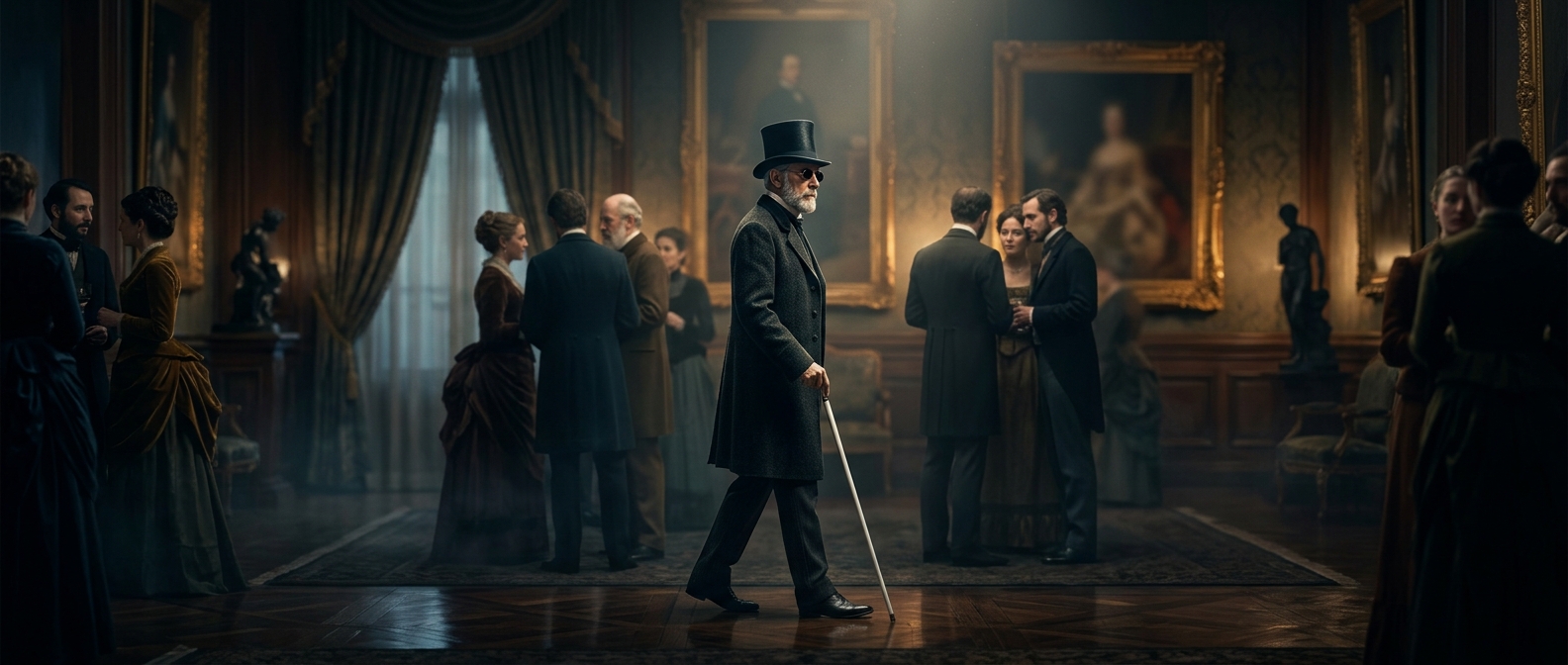
When conversation became something he wanted to escape, this painter had a ready explanation: his eyesight was failing. The claim could make others less likely to expect him to notice them, respond, or stay engaged. But painting created a problem for the performance. His detailed works seemed to require the very visual attention he said was slipping away.
The Canvas Became Its Own Evidence
That contrast made the excuse memorable. A spoken claim about failing sight was hard for other people to test in the moment; a finished painting was something they could examine. Fine detail did not, by itself, reveal exactly how well the painter could see, but it gave observers a concrete reason to doubt that his vision was as poor as he suggested.
The trick depended on keeping two audiences apart: people he hoped to avoid, and viewers who later encountered the work. The paintings outlasted the excuse—and made it easier to see the gap between what he said and what he could do.