A syndrome that comes in episodes
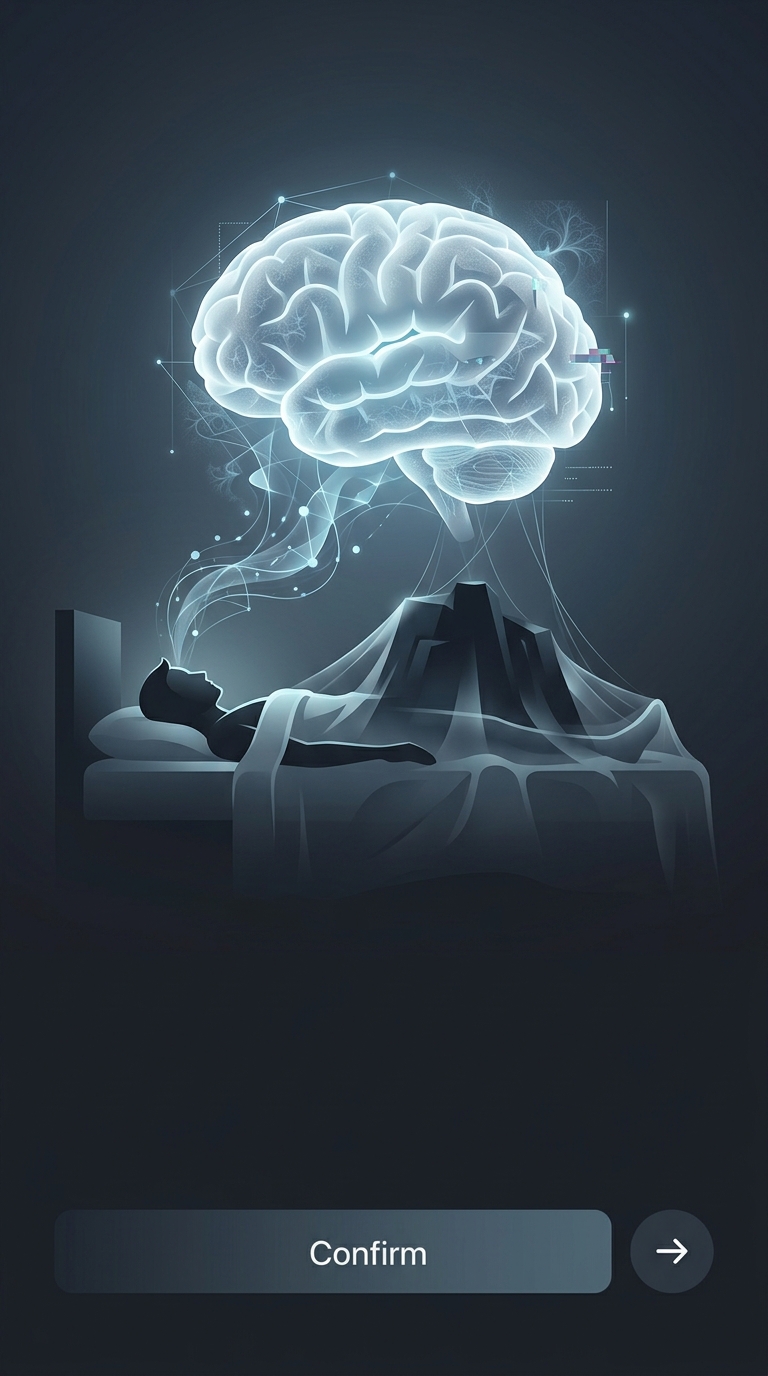
Kleine-Levin syndrome is defined less by one unusually long stretch of sleep than by a recurring pattern: a period of profound sleepiness and altered behavior, followed by a return toward the person’s usual state. The episodes can last days or weeks, and the time between them may be much closer to normal. That on-and-off pattern is a key part of what makes the condition unusual.
During an episode, the brain does not appear to be managing sleep, alertness, and behavior in their ordinary balance. A person may be difficult to keep awake, yet waking them does not necessarily restore clear thinking or usual judgment. Confusion, intense hunger, and reduced social or sexual restraint can occur alongside the sleepiness. These changes are part of the episode, not simply a reaction to being tired.
Why the pattern matters
The shifts can disrupt school, work, relationships, and everyday responsibilities. Someone may be unable to stay awake long enough to participate, while family members are left to manage practical tasks and make sense of behavior that is markedly out of character. When the episode ends, the person may seem much more like themselves again, which can make the condition difficult to recognize from a single day or conversation.
The precise cause remains unknown, so there is no simple explanation for why the episodes begin or stop. The useful clue is the combination of recurring bouts of extreme sleepiness with temporary changes in thinking and behavior. What looks like a sleep problem can involve several parts of ordinary functioning at once.