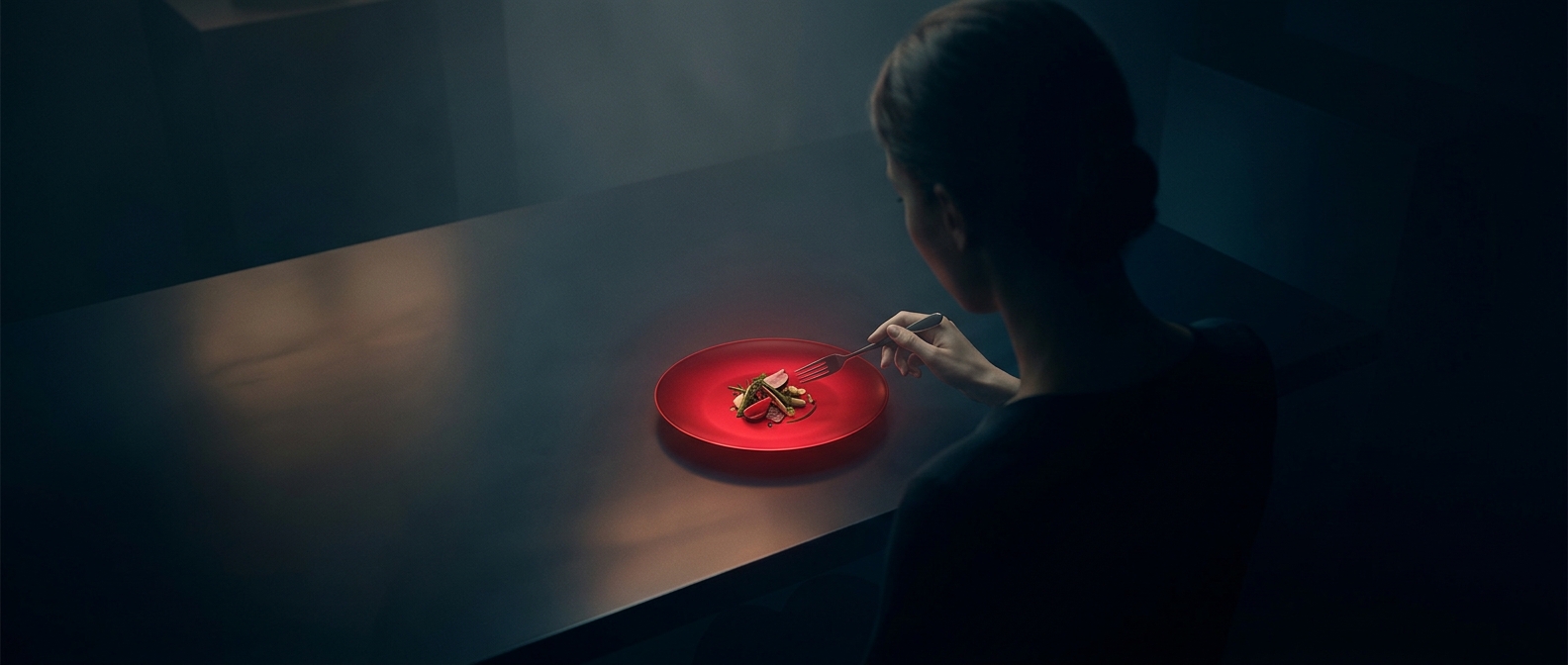
How a color can change the direction of thought
Creative work often begins before a person has a finished idea. The mind has to decide what to do with an open-ended prompt: reach for the first familiar answer, or keep looking for less obvious possibilities. A visual setting can help frame that choice. Blue may evoke spacious, unthreatening scenes, which can make exploration feel more fitting than caution or immediate evaluation.
That is a shift in mindset, not a transfer of information. Blue does not contain creative ideas or make people creative on its own. Any influence is more like a subtle cue that affects how someone approaches a task—especially one that rewards generating several different possibilities.
Why the task and setting matter
Creativity is not always the same kind of thinking. Coming up with many unusual options calls for exploration; choosing the most workable option calls for narrowing and judging. A cue that encourages openness could help with the first stage without necessarily helping with the second. The prompt, the person’s associations with the color, and the surrounding environment all matter, so blue is not a dependable shortcut to better work.
The practical implication is modest: when a task calls for brainstorming, a calm visual atmosphere may support a more exploratory approach. The useful part is not the color by itself, but the mental permission it may suggest—to look beyond the obvious before deciding what is good.