What changes in water left overnight?
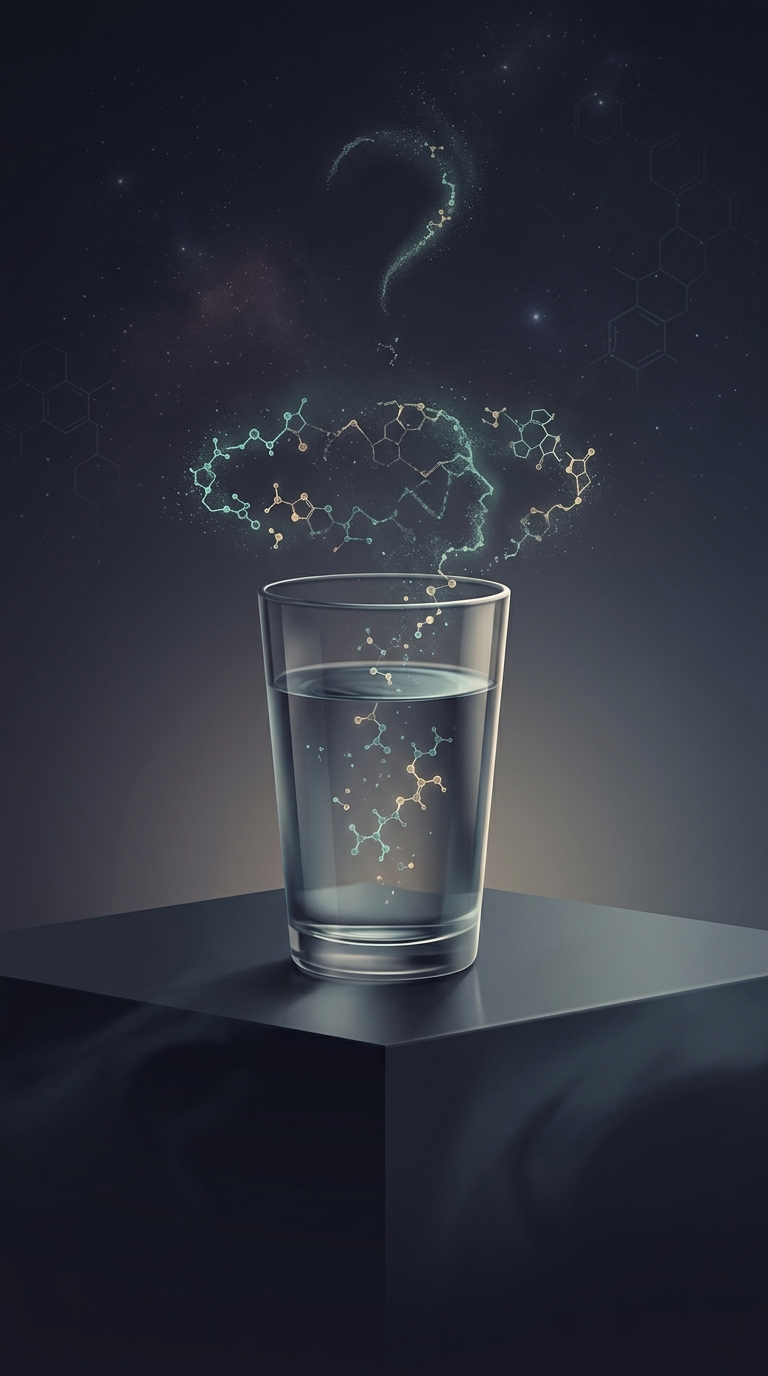
Water in an uncovered glass is exposed to the room. It can absorb tiny amounts of airborne compounds, including odors from nearby food, fabrics, or cleaning products. Even a faint smell can alter what you perceive as taste: much of flavor comes from the nose, not just the tongue. Dust or other particles may also settle into the glass, though that usually has little effect on flavor.
The water itself can shift slightly, too. It exchanges gases with the air; dissolved carbon dioxide can make it a little more acidic. In ordinary drinking water, that change is generally small—not a dramatic transformation in chemistry. If the water contains chlorine used in municipal treatment, some of its noticeable smell or taste may fade as the water stands.
Your morning senses play a part
The glass is only half the story. After hours of sleep, a dry mouth can make the first sip seem unusually strong or strange. And because taste is shaped by expectation and contrast, water that tasted neutral at bedtime may stand out when you drink it before anything else.
An open glass is sampling the room as it sits, while your waking mouth is not quite in the same condition as it was the night before. Covering the water limits its exposure to odors and particles; if the taste still seems off, fresh water in a clean glass is an easy comparison.