Why sugar has little taste appeal to cats
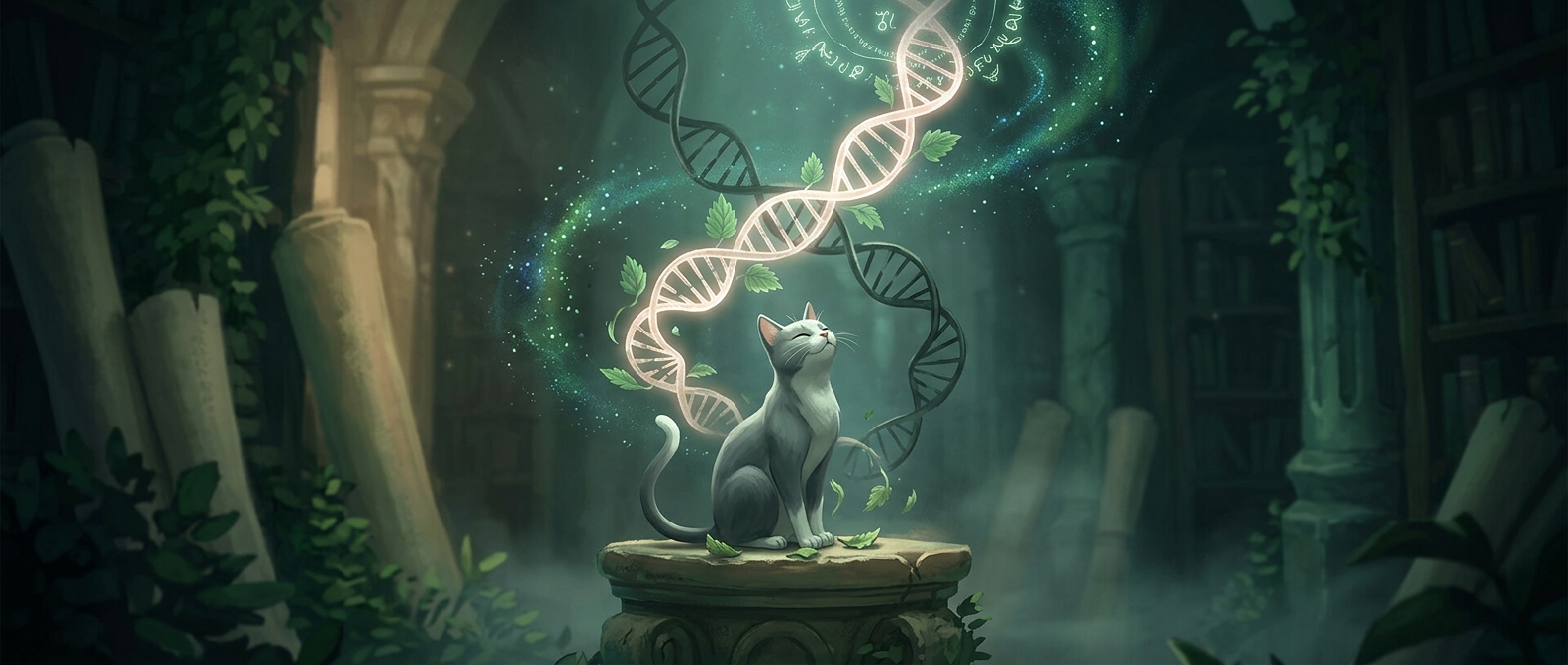
A cat can encounter sugar without experiencing sweetness the way a person does. Sweetness normally begins when sugar activates a receptor on the tongue. That receptor is built from two proteins, which fit together to pass the signal onward. In cats, a change in the gene for one of those proteins left the receptor unable to do its job.
The result is not a generally dull sense of taste. Cats retain other working taste pathways, including one that responds to amino acids—the building blocks of proteins, abundant in meat. Their taste system is tuned to notice food cues that matter to a meat-eating animal, rather than to register sugar as sweet.
Flavor is more than sweetness
What people call flavor combines taste with smell and other sensations, such as texture and temperature. A cat investigating ice cream may therefore respond to its smell, creamy feel, or fat content even though its sugar does not provide the familiar sweet taste. That can make a sugary food interesting for reasons that have little to do with sweetness.
This distinction also explains why a cat’s interest in a food is not evidence that it tastes sweet to them. The food can be appealing through other senses while the sugar signal is missing. A lick of ice cream may deliver a rich aroma and a smooth, fatty texture—but not the dessert’s defining taste experience for a human.