Why a Two-Second Result Becomes a Long Scene
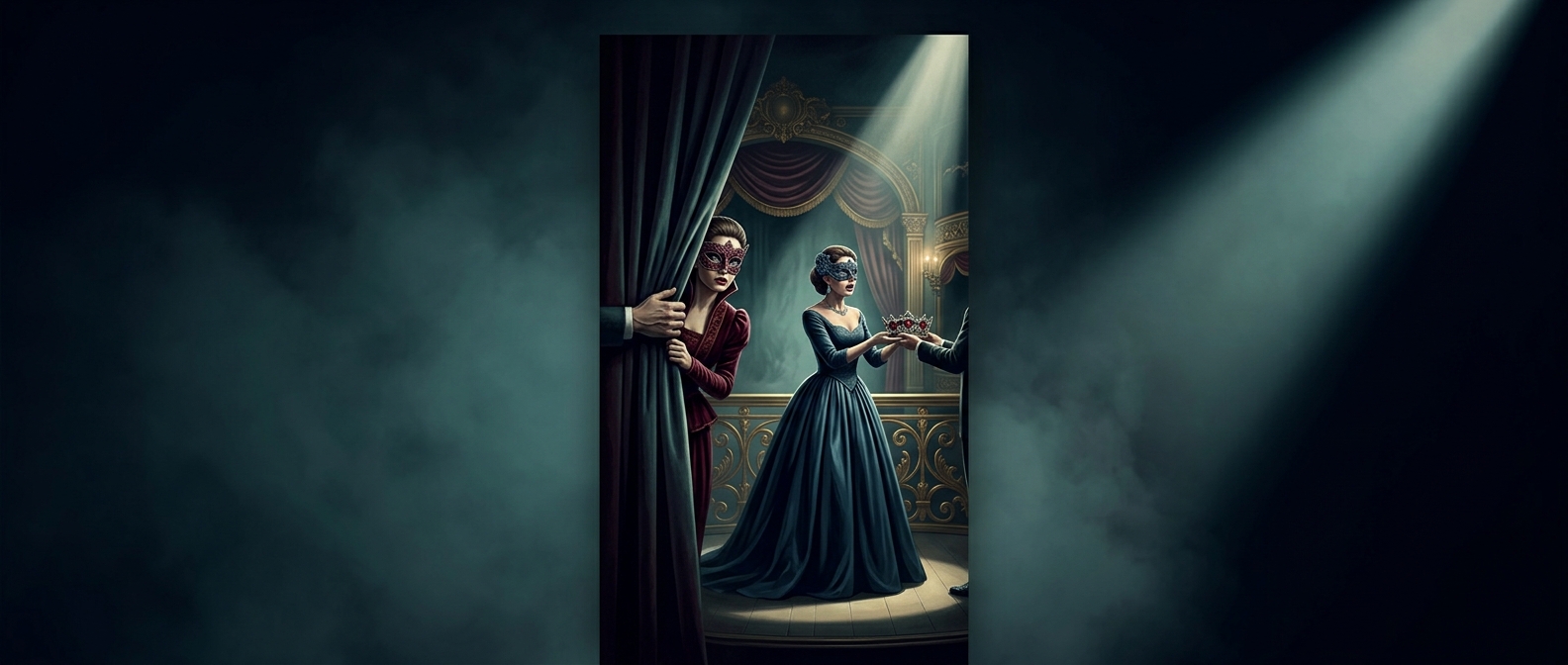
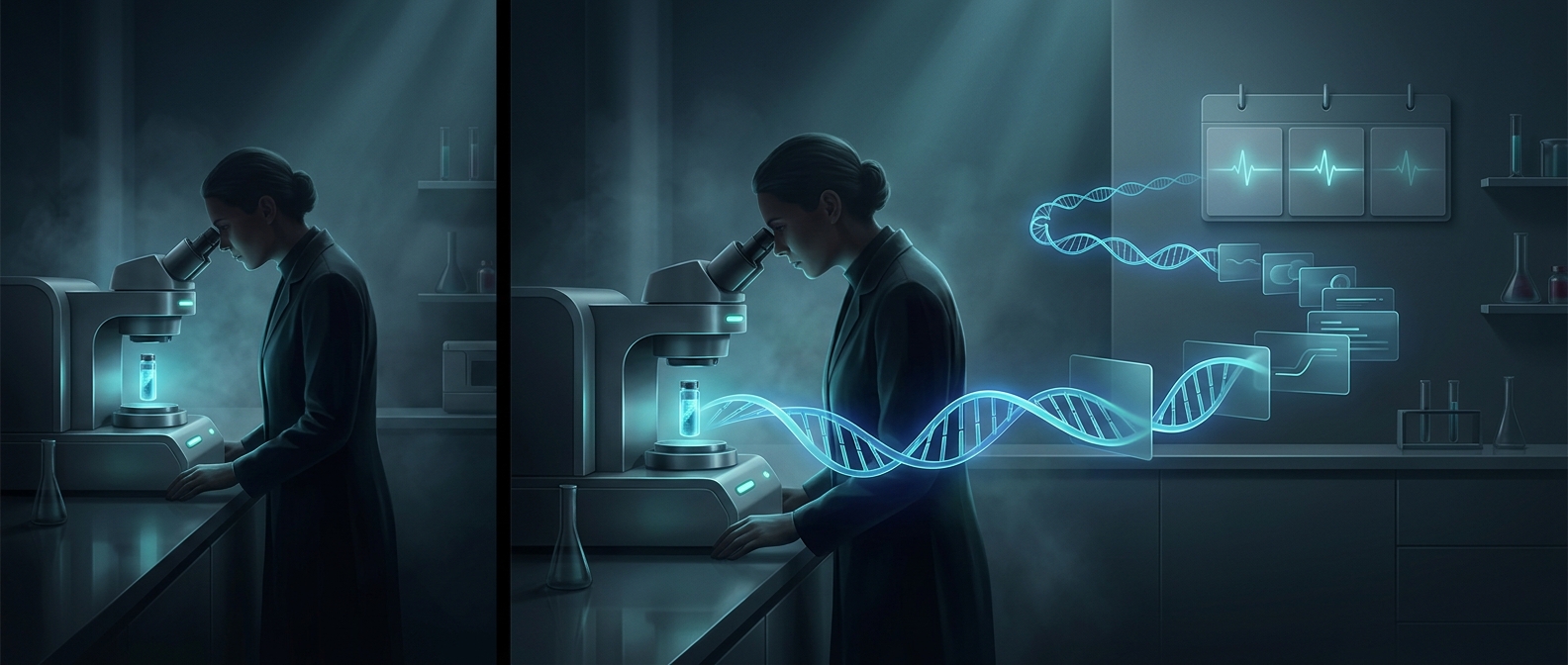
A DNA result is usually a piece of information, not a spectacle: someone opens a report and sees what it says. On screen, the important event is not the reading itself but the moment before it. By delaying the glance, a film or TV show turns a quiet fact into a visible test of nerve.
The character’s hesitation gives the audience time to imagine what the result could change: a family relationship, a suspected betrayal, or a sense of identity. Pacing, staring, and near-interruptions make that uncertainty physical. The paper may be small, but the consequences the character imagines are not.
The Delay Is the Drama
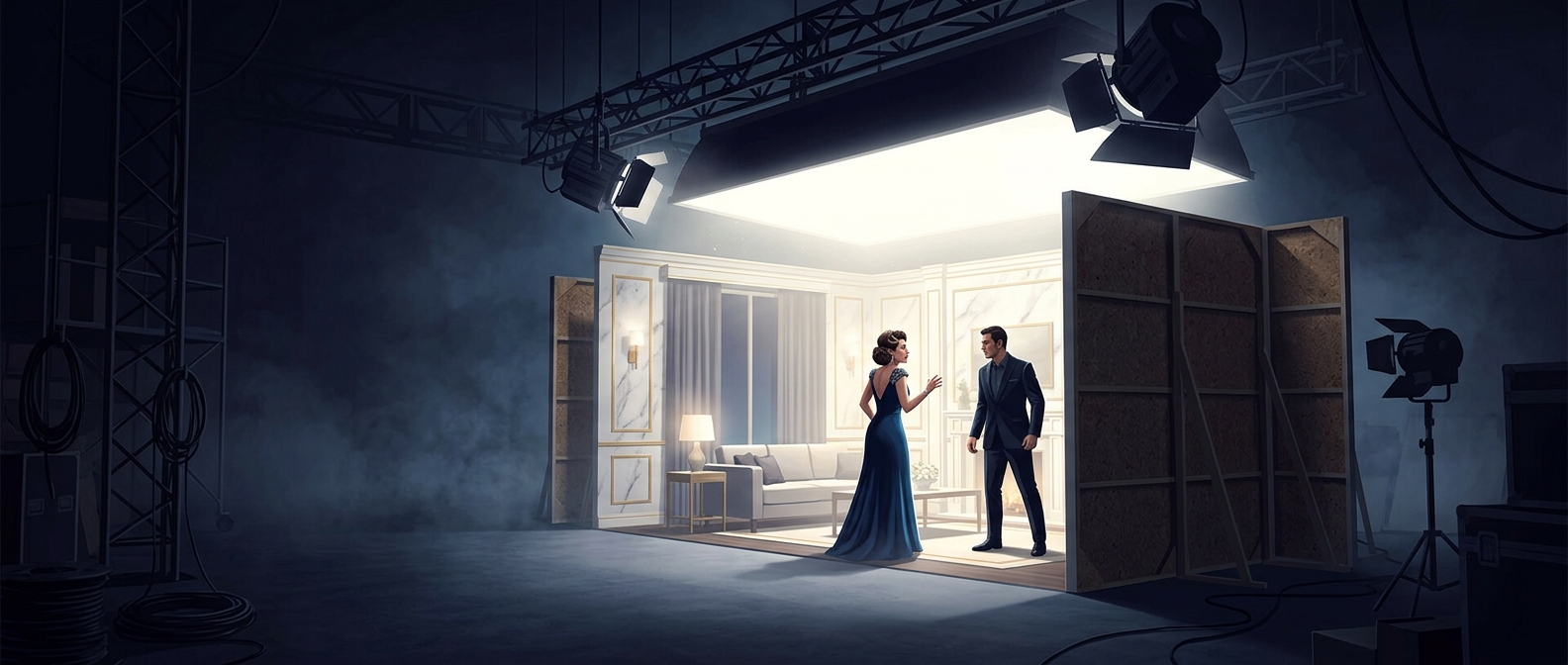
This is a storytelling tradeoff. If the result appears immediately, the scene may deliver information but little suspense. If the character waits, the audience experiences the gap between knowing that an answer exists and being willing to face it. The test itself can stay offstage; the performance supplies the tension.
That delay also lets a scene control when the truth becomes available. A door opening or a phone ringing can postpone the reveal, while a tear or a trembling hand signals that the answer matters before viewers know what it is. In screen time, a few seconds of reading can therefore stretch into an ordeal: the suspense lives in the choice to look, not in the paper.